Fiberglass Septic Tank Solutions for the Philippines

Fiberglass Septic Tank Solutions for the Philippines

Enhancing Infrastructure and Sanitation with Durable Fiberglass Products

Fiberglass Septic Tank Solutions for the Philippines

Providing innovative and reliable fiberglass solutions to meet the growing infrastructure needs of the Philippines.

Current State of Fiberglass Products in the Philippines

An overview of the fiberglass industry’s landscape and challenges in the Philippine market.

The Philippines, an archipelago with a rapidly growing population and developing infrastructure, presents a unique environment for the fiberglass products industry. The country’s vulnerability to typhoons and earthquakes demands durable and corrosion-resistant materials, positioning fiberglass products as a crucial alternative to traditional materials like concrete and steel. However, the industry faces challenges related to material costs, skilled labor availability, and competition from cheaper, less durable alternatives.

The increasing focus on sustainable infrastructure projects and wastewater management is driving demand for fiberglass septic tank systems. The Philippines’ geographical constraints, including limited land availability, further incentivize the adoption of compact and lightweight fiberglass solutions. Furthermore, growing awareness regarding environmental protection is boosting the demand for eco-friendly materials like fiberglass.

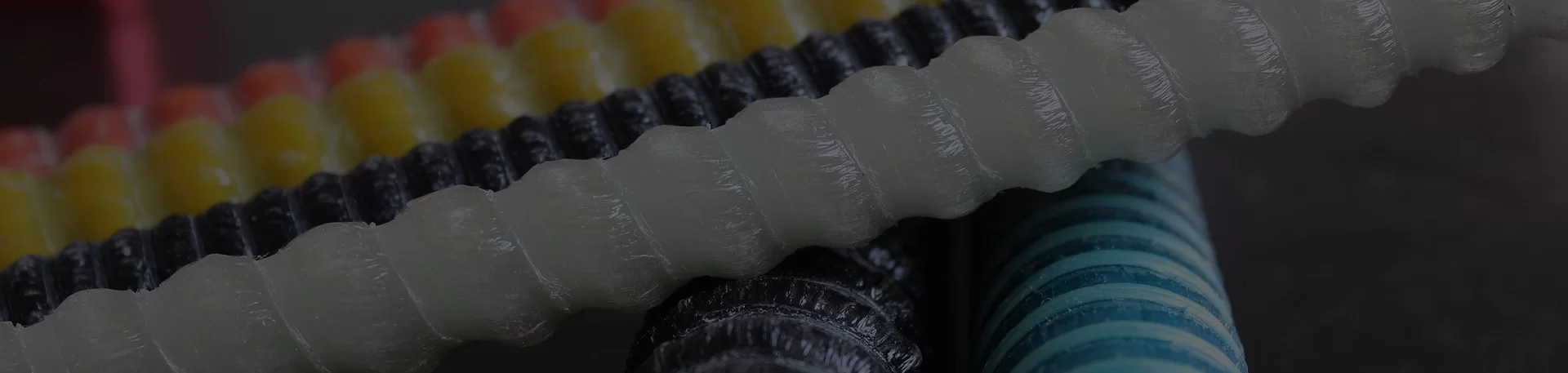
Despite the growing demand, the local manufacturing capacity for specialized fiber glass rebar and carbon fiber reinforcement is still limited, leading to significant reliance on imports. Addressing this gap through increased local production and technological advancements is critical for the industry’s long-term growth.
Historical Development and Technological Advancements

Tracing the evolution of fiberglass technology and its application in the Philippines.

Market Development History

The initial introduction of fiberglass products in the Philippines, dating back to the 1970s, primarily focused on basic applications like boat building and automotive components. The technology was largely imported, and local manufacturing was limited. This early phase emphasized cost-effectiveness over advanced material properties.

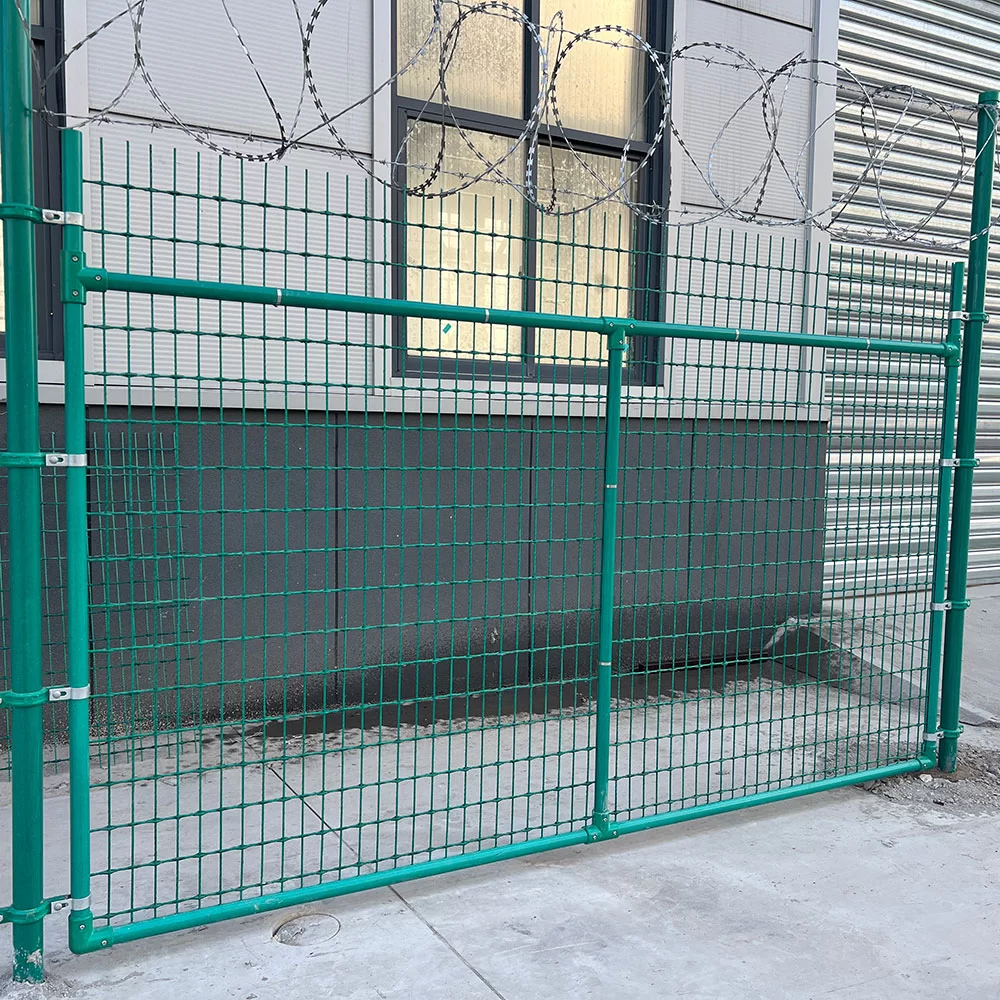
The 1990s witnessed a gradual increase in the awareness of fiberglass’s potential in construction and infrastructure. The introduction of improved resin systems and manufacturing techniques led to the development of more durable and corrosion-resistant fiberglass products. Fiberglass guardrail mesh began to see increased adoption for road safety applications.

The 21st century has seen a surge in demand for specialized fiberglass solutions, driven by the country’s rapid urbanization and infrastructure development. The introduction of carbon fiber reinforcement has opened new avenues for high-performance applications, although its cost remains a barrier to widespread adoption.

Future Development Trends

Enhanced Resin Technology

Expect significant advancements in resin formulations, leading to increased strength, durability, and UV resistance of fiberglass products. Nanotechnology integration is also anticipated to enhance material properties.

Automated Manufacturing Processes

The adoption of automated manufacturing processes, such as filament winding and pultrusion, will improve production efficiency, reduce labor costs, and enhance product consistency.

Sustainable Fiberglass Solutions

Increasing emphasis will be placed on developing environmentally friendly fiberglass products using bio-based resins and recycled materials. This trend aligns with the growing global focus on sustainability.

Industry Trends and Future Outlook

Analyzing the emerging trends and forecasting the future of the fiberglass industry in the Philippines.

Growing Demand for Wastewater Management Solutions
Increasing urbanization and environmental concerns drive the demand for efficient wastewater treatment systems, boosting the market for fiberglass septic tank.
Infrastructure Development and Road Safety
Government investments in infrastructure projects, including road construction and rehabilitation, create opportunities for fiberglass guardrail mesh and other safety-related fiberglass products.
Adoption of Lightweight Materials
The growing demand for lightweight and durable materials in various industries, including construction, transportation, and marine, drives the adoption of fiber glass rebar and other fiberglass composites.
Increased Environmental Awareness
Growing concerns about sustainability and environmental impact drive demand for eco-friendly materials like fiberglass, which offers a longer lifespan and reduced maintenance requirements compared to traditional materials.

Industry Outlook

The fiberglass industry in the Philippines is poised for significant growth in the coming years, driven by infrastructure development, increasing environmental awareness, and technological advancements. The adoption of lightweight and durable materials will continue to rise, creating new opportunities for fiberglass manufacturers and suppliers.

However, challenges related to material costs, skilled labor availability, and competition from cheaper alternatives must be addressed to ensure sustainable growth. Investing in local manufacturing capacity, promoting research and development, and fostering collaboration between industry stakeholders are crucial for maximizing the potential of the fiberglass industry in the Philippines.

Localized Application Scenarios

Exploring specific applications of fiberglass products tailored to the Philippine context.

1. Coastal Infrastructure Protection

The Philippines' extensive coastline is vulnerable to erosion and damage from typhoons. Fiberglass reinforced polymer (FRP) composites are ideal for constructing seawalls, breakwaters, and other coastal defense structures due to their corrosion resistance and high strength-to-weight ratio.

2. Rural Sanitation Solutions

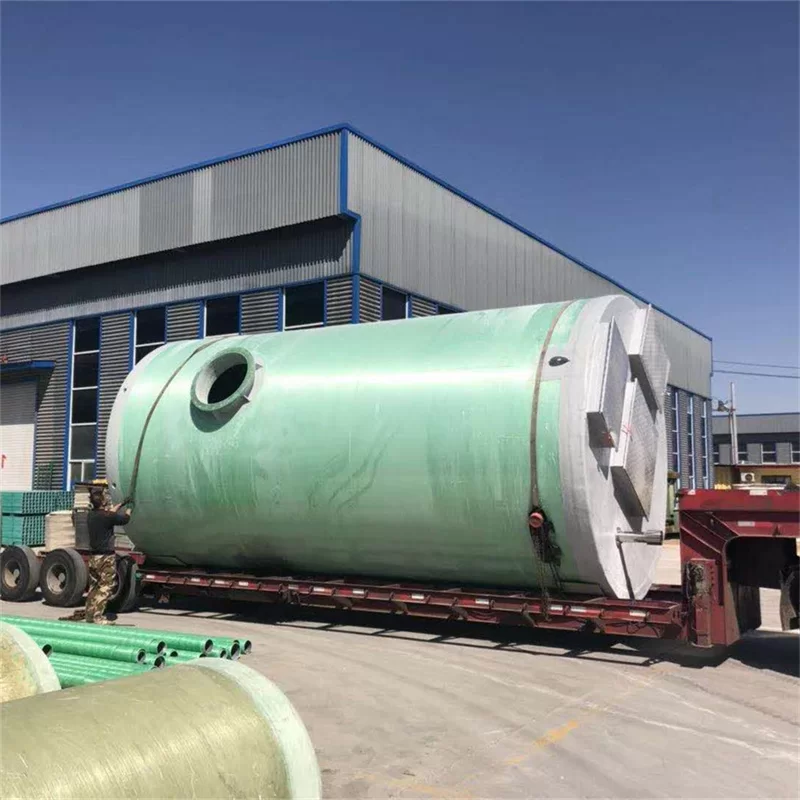
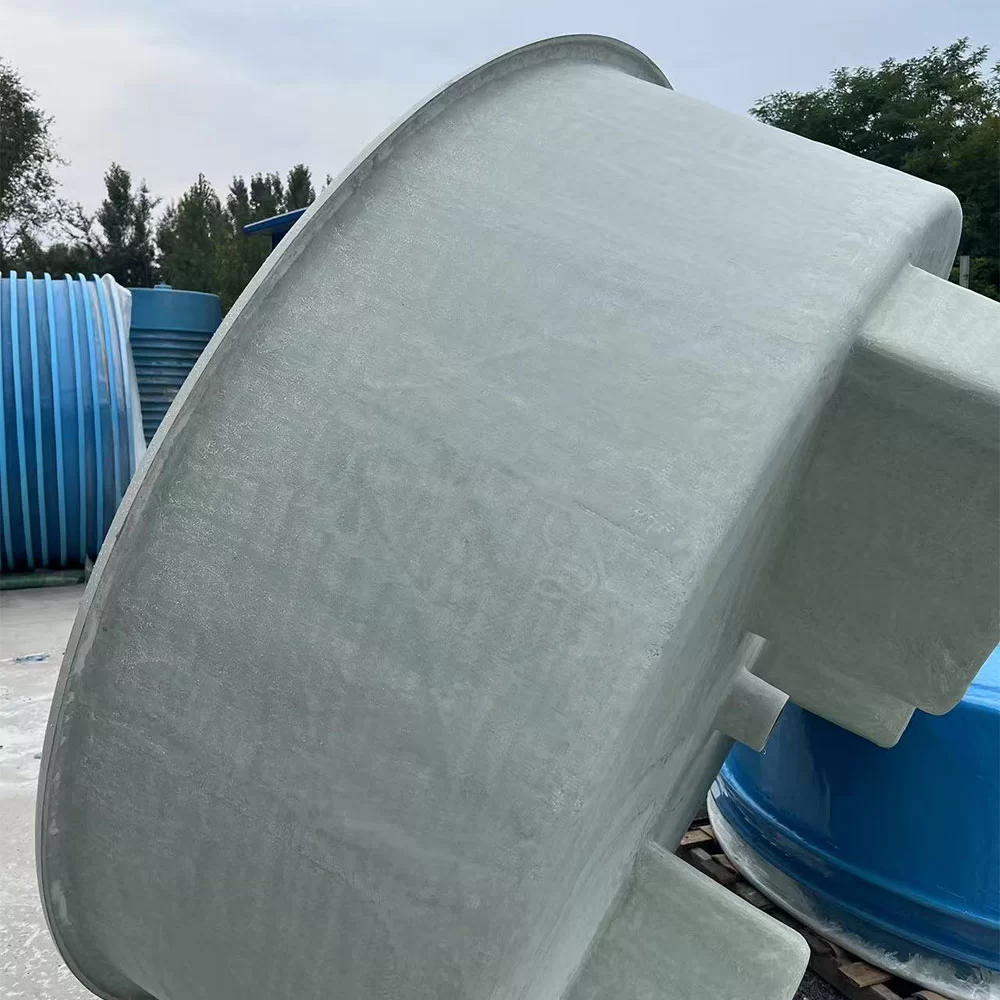
Providing access to proper sanitation remains a challenge in many rural areas of the Philippines. Fiberglass septic tanks offer a cost-effective, lightweight, and durable solution for wastewater treatment in these communities.

3. Bridge Rehabilitation and Strengthening

Many bridges in the Philippines require rehabilitation due to aging infrastructure and seismic activity. Carbon fiber reinforcement can be used to strengthen existing concrete bridges, extending their lifespan and improving their load-bearing capacity.

4. Affordable Housing Construction

Addressing the housing shortage in the Philippines requires innovative and affordable construction materials. Fiberglass panels and structural components can be used to create lightweight, durable, and cost-effective housing solutions.

5. Fishpond and Aquaculture Applications

The Philippines has a thriving aquaculture industry. Fiberglass is used to create durable, corrosion-resistant fishponds and tanks, improving fish yields and reducing maintenance costs.

Brand Story

Hebei Zhongtian Composite Material Group Co., Ltd.'s global development journey

Establishing a Foundation of Innovation

Founded in 2003, Hebei Zhongtian Composite Material Group Co., Ltd. began with a commitment to providing high-quality fiberglass products and innovative solutions to a growing market.

Expanding Product Portfolio

Over the years, we expanded our product portfolio to include a wide range of fiberglass products, catering to diverse industries such as construction, infrastructure, transportation, and water treatment.

Technological Advancements

We continuously invest in research and development, adopting advanced manufacturing techniques and utilizing cutting-edge materials to enhance the performance and durability of our products.

Global Reach and Partnerships

We have established a strong global presence, serving customers in various countries and forging strategic partnerships with leading companies worldwide.

Commitment to Sustainability

We are dedicated to sustainable manufacturing practices, minimizing our environmental footprint and developing eco-friendly fiberglass solutions.

Complete Product Portfolio for the Local Region

A comprehensive range of fiberglass products designed to meet the specific needs of the Philippines market.

Frequently Asked Questions (Philippines)

Addressing common inquiries about our fiberglass products and services in the Philippines.

What are the advantages of using fiberglass septic tanks compared to traditional concrete tanks in the Philippines?

Fiberglass septic tanks are lighter, more durable, corrosion-resistant, and easier to install than concrete tanks. They also require less maintenance and have a longer lifespan, making them a cost-effective solution for wastewater treatment in the Philippines.

How does carbon fiber reinforcement enhance the structural integrity of concrete bridges in seismic-prone areas like the Philippines?

Carbon fiber reinforcement increases the strength and ductility of concrete bridges, improving their resistance to seismic forces. It also reduces the weight of the structure, minimizing stress on the foundation and enhancing overall stability.

What is the lifespan of fiberglass guardrail mesh compared to traditional steel guardrails in the Philippine environment?

Fiberglass guardrail mesh has a significantly longer lifespan than steel guardrails, especially in the Philippines' humid and corrosive coastal environment. Fiberglass is resistant to rust and corrosion, reducing maintenance costs and ensuring long-term safety.

Is fiberglass rebar a viable alternative to steel rebar in coastal construction projects in the Philippines?

Yes, fiberglass rebar is an excellent alternative to steel rebar in coastal construction projects. It is non-corrosive, lightweight, and has a high tensile strength, making it ideal for resisting the harsh marine environment.

What are the environmental benefits of using fiberglass products in construction compared to traditional materials?

Fiberglass products have a lower carbon footprint, require less energy to produce, and are recyclable. They also have a longer lifespan, reducing the need for frequent replacements and minimizing waste.

What types of fiberglass products are best suited for aquaculture applications in the Philippines?

Fiberglass tanks and ponds are ideal for aquaculture applications due to their durability, corrosion resistance, and smooth, non-toxic surfaces. They provide a safe and hygienic environment for fish farming and can withstand the harsh conditions of the marine environment.

Get in Touch with Us

We are here to assist you with all your fiberglass product needs in the Philippines. Contact us today to discuss your project requirements.

Contact Us Now

If you are interested in our products, you can choose to leave your information here, and we will be in touch with you shortly.