Jun. 20, 2026
In the evolving landscape of construction and industrial engineering, the demand for materials that combine strength with extreme durability has never been higher. GFRP rods (Glass Fiber Reinforced Polymer) have emerged as a game-changing alternative to traditional steel reinforcement. By leveraging the high tensile strength of glass fibers and the protective qualities of polymer resins, these rods solve the age-old problem of corrosion. Whether you are dealing with marine environments, chemical plants, or heavy-duty infrastructure, understanding the capabilities of GFRP is essential for ensuring long-term structural integrity and reducing maintenance costs.

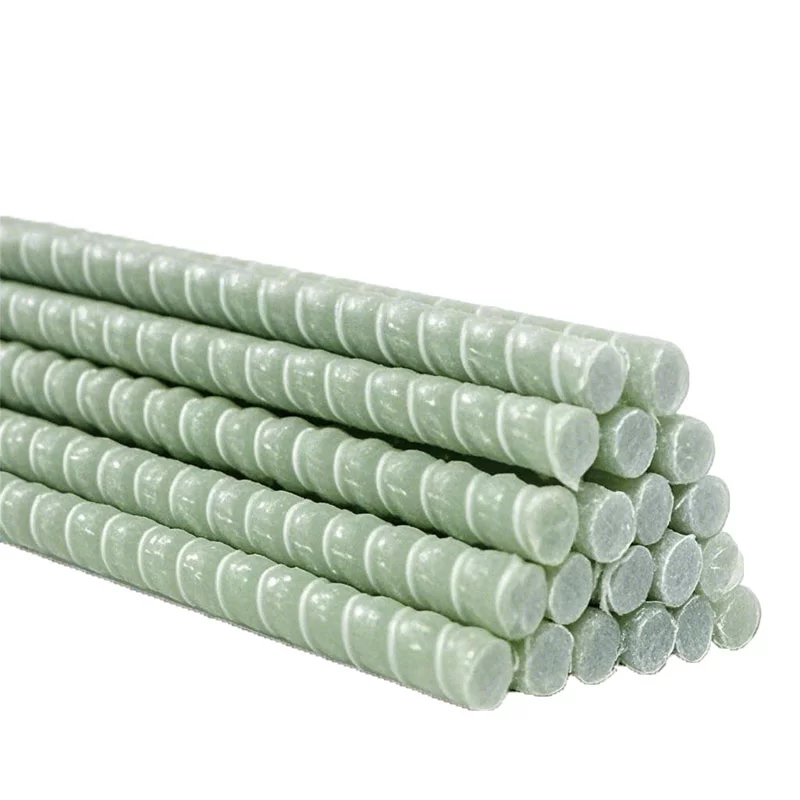
At its core, a GFRP rod is a composite material consisting of high-strength glass fibers embedded within a thermosetting polymer matrix, typically vinyl ester or epoxy. The fibers provide the tensile strength, while the resin protects the fibers from external damage and binds them together to maintain a rigid shape. Unlike steel, GFRP rods are non-conductive and non-magnetic, making them ideal for specialized electrical environments. The result is a material that is significantly lighter than steel but offers comparable or superior strength in specific applications, particularly where environmental degradation is a primary concern.
Core Advantage: The synergy between glass fiber and polymer eliminates the risk of oxidation (rusting), which is the leading cause of concrete spalling and structural failure in traditional reinforced concrete.
When comparing GFRP rods to traditional black steel or epoxy-coated rebar, the most striking difference is the corrosion resistance. Steel expands when it rusts, creating internal pressure that cracks the surrounding concrete. GFRP is chemically inert, meaning it does not react with salts, chlorides, or moisture. Furthermore, the lightweight nature of these rods reduces transportation costs and simplifies on-site handling, leading to faster installation times and reduced labor fatigue.
The versatility of GFRP rods allows them to be used across a vast array of sectors. In civil engineering, they are used in bridge decks and seawalls where salt spray would normally destroy steel in years. In the energy sector, their non-magnetic properties make them essential for MRI rooms in hospitals and high-voltage electrical substations. Additionally, they are frequently used in landscaping and agriculture for durable, weather-resistant staking and structural supports that do not rot like wood or rust like metal.

To properly integrate GFRP rods into a design, engineers must consider the specific technical parameters. While GFRP has an incredibly high tensile strength, its modulus of elasticity is lower than that of steel, meaning it is more flexible. This "elastic" nature is often an advantage in seismic zones or applications where some flexibility is required to absorb energy without permanent deformation. Below are the typical technical specifications for standard high-grade GFRP rods:
While the initial material cost of GFRP rods might be higher than basic carbon steel, the Life Cycle Cost (LCC) is significantly lower. Because GFRP does not rust, the need for expensive protective coatings, cathodic protection systems, and frequent repairs is eliminated. This results in a structure that can last 50 to 100 years with minimal intervention. From a sustainability perspective, reducing the frequency of reconstruction and the volume of cement needed for "concrete cover" (required to protect steel from rust) substantially lowers the overall carbon footprint of a project.
Sustainability Benefits:
• Lower carbon footprint due to reduced maintenance and repair cycles
• Reduced need for heavy machinery during installation due to lower weight
• Elimination of toxic anti-corrosion chemical coatings
Successfully implementing GFRP rods requires a slight shift in traditional construction techniques. First, because GFRP cannot be bent on-site using heat (like steel), all bends must be pre-fabricated by the manufacturer. Second, the cutting of rods should be done with diamond-tipped blades to ensure clean edges and prevent fiber fraying. When tying rods to form cages, plastic-coated ties are recommended to avoid any potential surface abrasion. By following these professional guidelines, contractors can maximize the efficiency and structural performance of the composite reinforcement.
The shift toward GFRP rods represents a significant leap forward in engineering efficiency and structural longevity. By eliminating the risk of corrosion and offering a high strength-to-weight ratio, these composite rods provide a sustainable, cost-effective solution for the modern builder. As infrastructure continues to age and environmental conditions become more challenging, choosing GFRP is no longer just an alternative—it is a strategic investment in the future of durable construction.
No, GFRP rods cannot be bent on-site. Unlike steel, which is ductile and can be bent using heat or mechanical force, GFRP is a thermoset composite. Bending the rod after it has been cured would cause the glass fibers to snap and the resin to crack, destroying the structural integrity. All necessary bends, hooks, or shapes must be specified in the design phase and manufactured by the supplier using specialized molding processes before they are delivered to the site.
GFRP rods perform exceptionally well in a wide range of temperatures. They do not become brittle in extreme cold, nor do they lose significant strength in moderate heat, provided the temperature remains below the Glass Transition Temperature (Tg) of the resin used. Most high-quality GFRP rods are designed to operate reliably from -50°C to over 80°C. Their low thermal conductivity also means they do not create "thermal bridges," which helps in maintaining the energy efficiency of insulated concrete structures.
Yes, one of the primary advantages of GFRP is that it is an electrical insulator. Because glass fibers and polymer resins do not conduct electricity, these rods are the preferred choice for reinforcing floors in electrical substations, power plants, and medical facilities containing MRI machines. Using steel in these environments can cause dangerous electrical arcs or interfere with sensitive magnetic equipment; GFRP rods completely eliminate these risks while providing the necessary structural support.
The bond between GFRP and concrete is achieved through the surface treatment of the rod. Most GFRP rods are manufactured with a "sand-coated" or "ribbed" surface. The sand coating creates a rough mechanical interlock with the concrete matrix, preventing the rod from slipping under load. When installing, it is important to ensure the rods are placed correctly within the formwork and that the concrete is vibrated properly to eliminate air pockets around the rod, ensuring a full and tight encapsulate for maximum load transfer.

Nov. 05, 2026
Factors Influencing FRP Underground Water Storage Tanks Price

Nov. 02, 2026
High Performance FRP Systems and Where to buy fiberglass grating

Nov. 02, 2026
What buyers should know about Trough Type Fiberglass Cable Trays

Oct. 29, 2026
Factors Affecting FRP Water Tank Price and Long Term Value

Oct. 29, 2026

Oct. 28, 2026
Industrial FRP Grating Manufacturer and Composite Solutions
Looking for Reliable Frp Solutions?