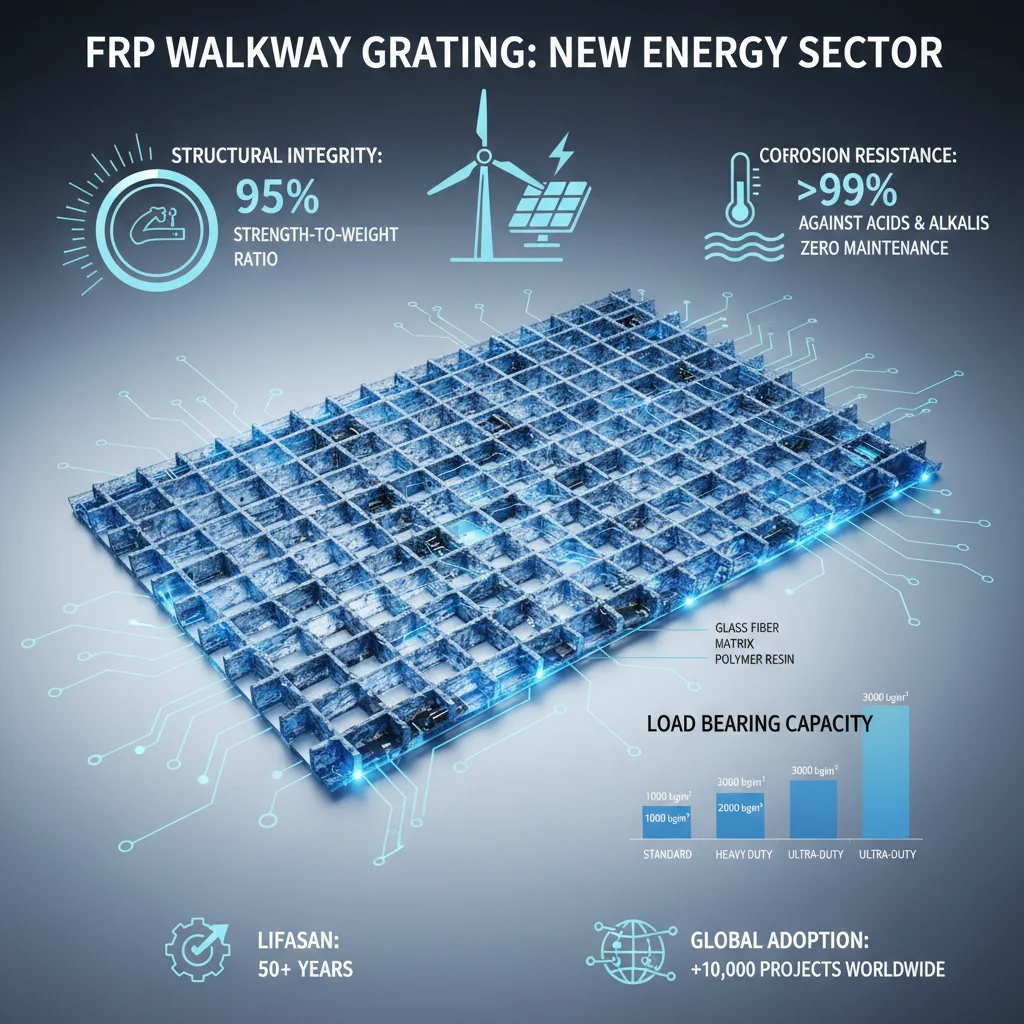
When evaluating the investment for high-performance landscaping solutions, understanding the factors that influence the frp grating price is essential for architects and municipal planners. While traditional materials like concrete or ceramic have been the standard for decades, the shift toward Sheet Molding Compound (SMC) composites represents a leap in structural efficiency and longevity. By analyzing the total cost of ownership, it becomes clear that the initial expenditure is merely one part of a broader value proposition.
Across global markets, the demand for durable, corrosion-resistant urban furniture has surged, leading to a more nuanced understanding of how the frp grating price correlates with material purity and manufacturing precision. In regions facing extreme weather—from the humid tropics to frost-prone northern climates—the ability of a material to resist UV degradation and chemical erosion without frequent replacement is a critical financial metric. This shift is driven by the need for sustainable infrastructure that reduces long-term maintenance burdens.
For those managing large-scale commercial horticulture or public greening projects, the frp grating price serves as a benchmark for comparing the lifecycle value of SMC molded flower pots against legacy options. These advanced composites offer a superior strength-to-weight ratio, ensuring that even oversized architectural planters remain stable and secure without the prohibitive weight of stone or the fragility of plastic.

The Structural Integrity of SMC Molded Planters
SMC molded flower pots are engineered with a glass-fiber reinforced matrix that provides exceptional mechanical strength. Unlike traditional plastic pots that often succumb to stress cracking or deformation under the weight of heavy soil and expansive root systems, these composite structures maintain their shape and integrity. The compression molding process is key, ensuring a uniform density across the entire vessel, which eliminates the internal weak points common in rotational molding or hand-laid fiberglass.
This high structural strength is a primary driver when calculating the long-term frp grating price equivalent for landscaping. Because the material can withstand significant impact and compression, it is ideal for oversized planters used in municipal squares where public safety and stability are paramount. The result is a robust containment system that supports large trees and shrubs without the risk of structural failure.
Lightweight Design and Installation Efficiency
One of the most compelling advantages of SMC composite materials is their exceptional strength-to-weight ratio. When compared to heavy concrete or stone alternatives, SMC pots are significantly lighter, which drastically reduces the complexity and cost of logistics. This lightweight nature is not a compromise in quality but a result of the engineered composite structure that provides the same durability as stone with a fraction of the mass.
For architectural projects such as rooftop gardens or high-rise balconies, weight limitations are often a strict regulatory requirement. The reduction in dead load provided by SMC planters allows designers to implement lush green spaces in areas where traditional masonry would be structurally impossible. This efficiency in weight management simplifies the installation process, requiring less heavy machinery and reducing labor costs during the deployment phase.
Furthermore, the ease of repositioning these planters offers unmatched flexibility for commercial spaces like hotel lobbies or shopping mall atriums. While the initial frp grating price metrics might suggest a premium, the savings realized in transportation, crane rentals, and structural reinforcement of the building floor make it a logically superior choice for modern urban development.
Superior Weather and Chemical Resistance
Outdoor landscaping equipment must face a barrage of environmental stressors, from intense UV radiation to extreme temperature swings. SMC molded flower pots are specifically formulated to resist these elements, preventing the fading, brittleness, and surface degradation that typically plague standard plastics. This resilience ensures that the frp grating price paid for the material translates into a product that looks new for years.
Beyond weather, the chemical resistance of SMC is a critical asset. Unlike metal containers that rust or wooden planters that rot, these composite pots are impervious to moisture, fertilizers, and common gardening chemicals. When assessing the frp grating price in the context of municipal projects, this resistance to corrosion eliminates the need for periodic sealing or painting, drastically reducing the operational budget.
Frost resistance is another key factor, particularly in colder climates where the freeze-thaw cycle often causes ceramic and concrete pots to crack. The non-porous nature of the SMC material prevents water absorption, meaning there is no internal expansion to rupture the walls of the planter. This makes the investment in a competitive frp grating price a strategic move for long-term durability in harsh environments.
Analyzing the Lifecycle Value of Composite Materials
When comparing the initial procurement cost with the long-term operational expenses, SMC molded flower pots present a highly cost-effective solution. While a basic plastic pot may have a lower entry price, its short lifespan and susceptibility to UV damage necessitate frequent replacements. In contrast, the durability of composite materials ensures a service life that can span decades, effectively lowering the annual cost of ownership.
The total value proposition is further enhanced by the low-maintenance surface of the SMC material. Because the surface is non-porous, it resists staining and allows dirt to be washed away with simple water, reducing the man-hours required for upkeep in public spaces. This reduction in labor costs is a hidden benefit that balances the initial frp grating price and enhances the project's ROI.
Comparative Lifecycle Value Analysis
Design Flexibility and Aesthetic Customization
SMC molding technology unlocks a level of design freedom that is unattainable with traditional casting or carving. From sleek, tapered modern designs to massive architectural statement pieces, the process allows for complex geometries and precise dimensions. This flexibility enables landscaping architects to align their green spaces perfectly with the surrounding building's aesthetic, whether it be a minimalist corporate office or a luxury boutique hotel.
Beyond shape, the surface finish and color of these planters can be fully customized. Surface textures can be engineered to mimic the organic look of wood grain or the industrial feel of concrete, while the colors can be matched to a specific corporate brand identity. When a client requests a custom OEM solution, the frp grating price is adjusted to account for tooling and specialized finishes, providing a bespoke product that serves as both a functional planter and a piece of branded art.
High-Traffic Application Scenarios
In environments such as international airports, shopping centers, and urban transit hubs, the demands on landscaping equipment are extreme. Planters in these areas must withstand accidental impacts from luggage carts, heavy foot traffic, and potential vandalism. SMC molded flower pots are uniquely suited for these high-traffic zones because they are impact-resistant and far less likely to shatter compared to ceramic or stone, ensuring public safety.
Municipal projects in city squares and public parks also benefit from the robust nature of these composites. Because they can be produced in oversized dimensions without becoming unmanageable, they provide a stable anchor for urban greenery. The ability to withstand heavy public use without showing significant wear ensures that city landscapes remain inviting and professional with minimal intervention from maintenance crews.
Additionally, in hospitality and luxury resorts, the combination of high-end aesthetics and industrial-grade durability is essential. These venues require planters that can withstand salt-spray in coastal environments or high humidity in tropical resorts. By investing in a product aligned with the frp grating price quality standard, developers ensure their property maintains a premium appearance regardless of the external environment.
Comparative Analysis of Planter Materials
Choosing the right material requires a balanced analysis of initial cost, weight, durability, and maintenance. Traditional clay and ceramic are often favored for small residential use, but they fail in large-scale commercial settings due to their fragility and weight. Plastic options are cheap but lack the professional appearance and UV stability required for luxury or municipal projects, often warping under the heat of the sun.
Concrete and stone offer the desired permanence and weight but introduce significant logistical challenges. The cost of transporting and installing massive concrete planters often eclipses the material cost itself. Furthermore, the porous nature of concrete makes it susceptible to cracking during freeze-thaw cycles and staining from water and minerals over time.
SMC composites bridge this gap by providing the structural presence of stone with the lightness of plastic and the durability of industrial fiberglass. When analyzing the frp grating price against these alternatives, the composite option emerges as the most balanced choice for modern architectural needs, offering a combination of safety, longevity, and aesthetic versatility.
Comprehensive Comparison of Planter Material Performance
| Material Type |
Durability Score (1-10) |
Weight Factor |
Maintenance Need |
| SMC Composite |
10 |
Low |
Very Low |
| Reinforced Concrete |
8 |
Very High |
Medium |
| Standard Plastic |
4 |
Very Low |
Low |
| Ceramic/Clay |
5 |
High |
High |
| Treated Wood |
6 |
Medium |
Very High |
| Stone Masonry |
9 |
Extreme |
Medium |
FAQS
While the initial material cost for SMC composites may be higher than basic concrete, the overall project cost is often lower. This is due to significantly reduced transportation costs, faster installation times, and the elimination of structural reinforcement required for heavy stone. Additionally, the lack of cracking and corrosion means you won't face the recurring replacement costs associated with concrete.
Yes, they are ideal for cold climates. Unlike ceramic or concrete, which are porous and can crack when absorbed water freezes and expands, SMC is non-porous. This frost-resistance ensures that the planters maintain their structural integrity during extreme temperature fluctuations, making them a reliable investment in any geographical region.
SMC products are an environmentally sustainable choice primarily due to their extreme longevity. By lasting decades longer than plastic or wood, they drastically reduce the volume of landfill waste generated by frequent replacements. Furthermore, their durability minimizes the need for chemical sealants and paints, reducing the environmental runoff in urban green spaces.
We offer comprehensive OEM and ODM services. This includes custom dimensions, unique architectural shapes, and specific color matching to align with brand identities. We can also integrate logos or specific surface textures (such as faux-stone or smooth matte finishes) during the molding process, ensuring a professional and seamless look for commercial complexes.
Maintenance is minimal. Because the material is non-porous and chemical-resistant, most dirt, dust, and debris can be removed with a simple water rinse or a mild detergent. There is no need for sanding, painting, or waterproofing, which makes them highly efficient for high-traffic public areas where maintenance budgets are limited.
Absolutely. Their high impact resistance makes them much safer than stone or ceramic, which can shatter into sharp pieces if damaged. SMC pots absorb impact better and maintain their structure, reducing the risk of injury to the public and making them the preferred choice for airports, shopping centers, and city plazas.
Conclusion
In summary, the transition from traditional landscaping materials to SMC molded composite planters represents a strategic shift toward durability, efficiency, and aesthetic freedom. By understanding that the frp grating price and investment value extend far beyond the initial purchase—encompassing lower logistics costs, zero corrosion, and minimal maintenance—commercial and municipal developers can ensure their projects remain sustainable and visually stunning for decades.
As urban architecture continues to evolve toward greener, more resilient designs, the role of advanced composites will only grow. We recommend that project planners prioritize lifecycle value over initial expenditure to achieve a balance of safety and elegance. For high-performance, customized landscaping solutions that withstand the test of time, visit our website: www.hbztcomposite.com.