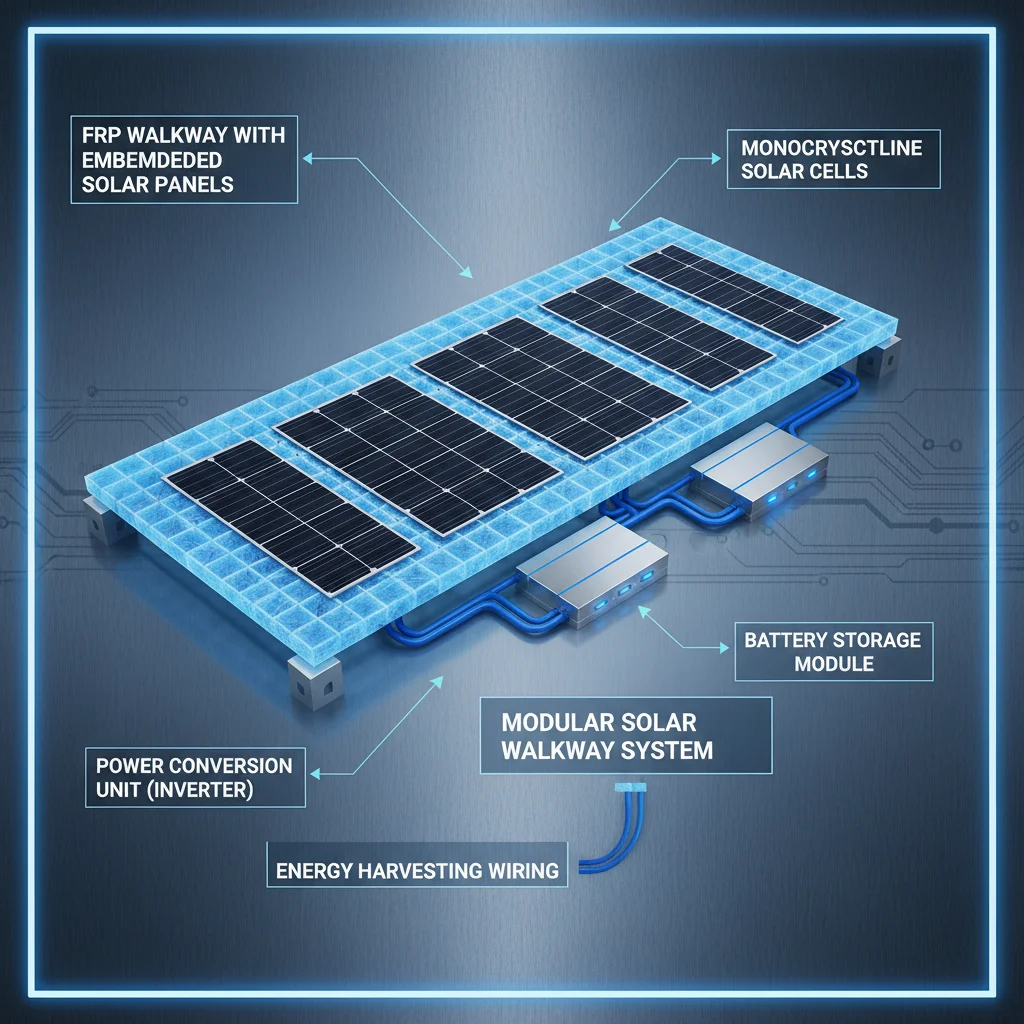
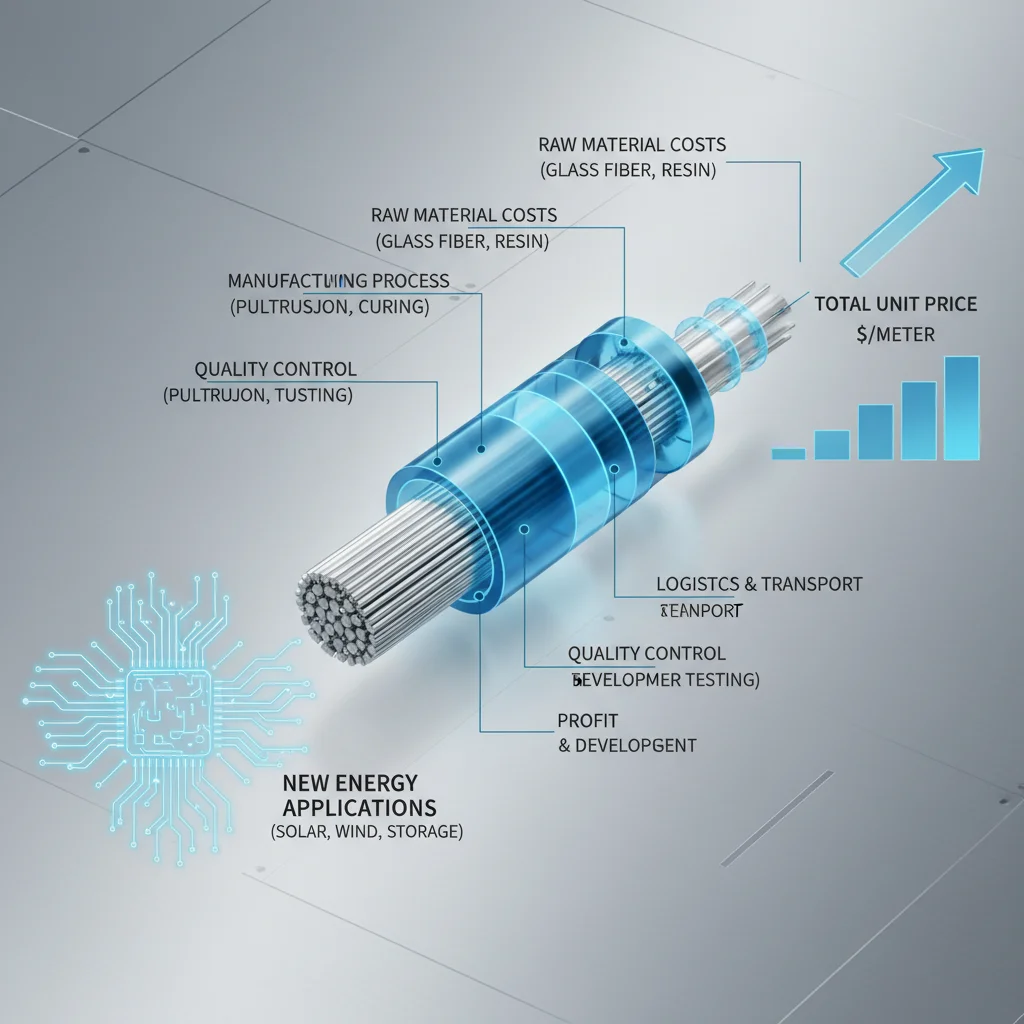
In the evolving landscape of modern construction, the quest for materials that combine strength with longevity has led to the rise of glass rebar. As traditional steel reinforcement faces chronic issues with corrosion, particularly in harsh saline or chemical environments, the industry is shifting toward composite solutions that ensure structural integrity without the risk of oxidation.
Understanding the mechanics of glass rebar is essential for engineers and architects aiming to reduce maintenance costs and extend the lifecycle of infrastructure. By leveraging the unique properties of glass-fiber reinforced polymers, this material provides a high-strength alternative that resists the degradation typically seen in coastal bridges and industrial flooring.
Globally, the adoption of composite reinforcement reflects a broader commitment to sustainable building practices. By integrating glass rebar into critical projects, stakeholders can achieve a balance between high performance and environmental responsibility, effectively solving the "rust problem" that has plagued concrete structures for decades.
Global Relevance of Glass Rebar
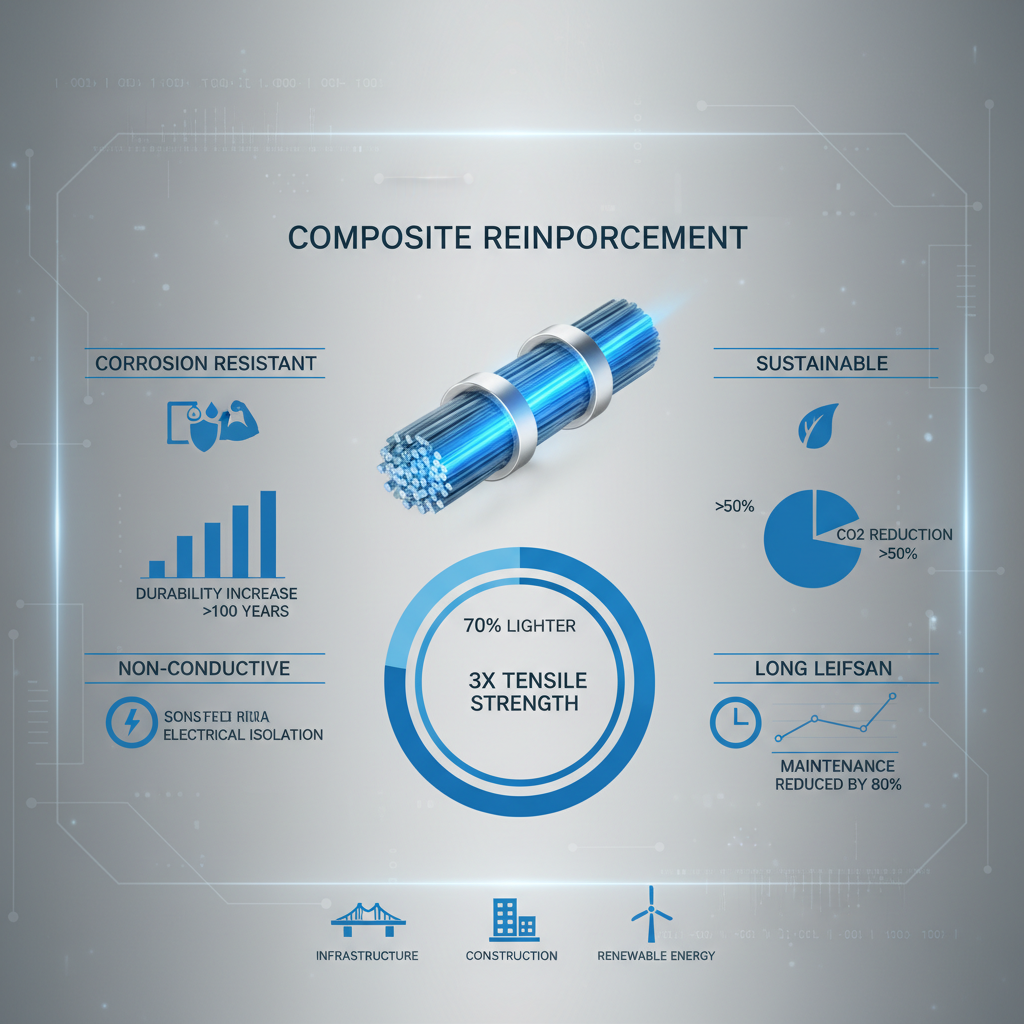
The global infrastructure market is currently facing a critical crisis: the degradation of reinforced concrete due to steel corrosion. According to reports aligned with ISO standards for sustainable construction, the cost of repairing corroded concrete structures reaches billions of dollars annually worldwide. This has pushed the industry to seek out glass rebar as a viable, non-corrosive alternative that maintains high tensile strength.
In regions with high humidity or saline air, such as coastal Southeast Asia and Northern Europe, the reliance on traditional steel often leads to premature structural failure. The introduction of GFRP (Glass Fiber Reinforced Polymer) technology, specifically in the form of glass rebar, allows for a drastic reduction in the need for expensive protective coatings and constant maintenance cycles.
Defining Glass Rebar and Its Purpose
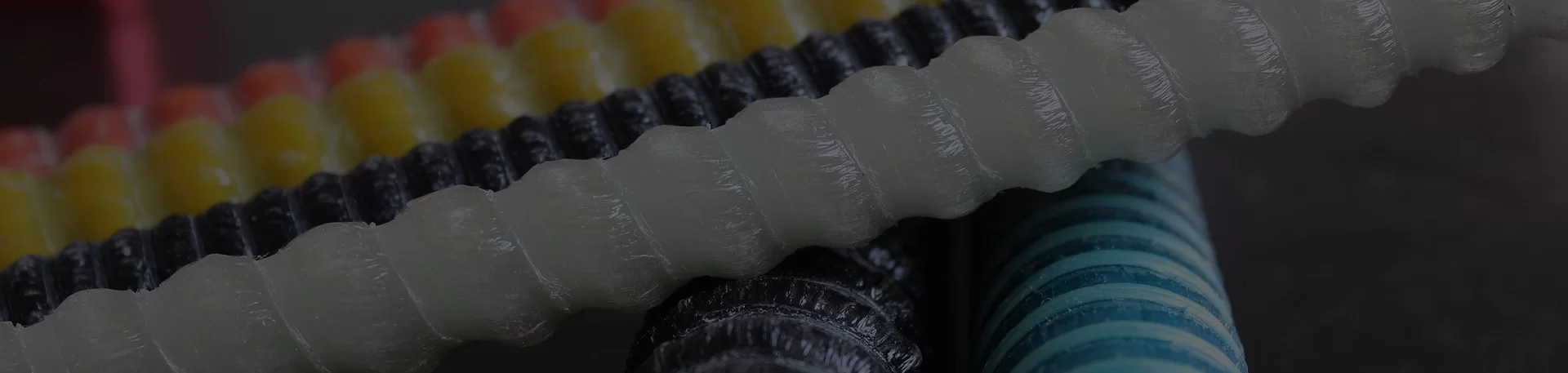
At its core, glass rebar is a composite material consisting of high-strength glass fibers embedded within a polymer resin matrix. Unlike traditional steel bars, this composite structure is engineered to handle significant tensile loads while remaining completely inert to electrochemical reactions. This means that even when exposed to saltwater or road salts, the material does not rust or expand, preventing the concrete from cracking from the inside out.
The purpose of this material extends beyond simple durability; it addresses the humanitarian need for safer, longer-lasting infrastructure in disaster-prone or remote areas. By using glass rebar, engineers can build bridges and shelters that require far less oversight, ensuring that critical transport links remain open even in the most aggressive environmental conditions.
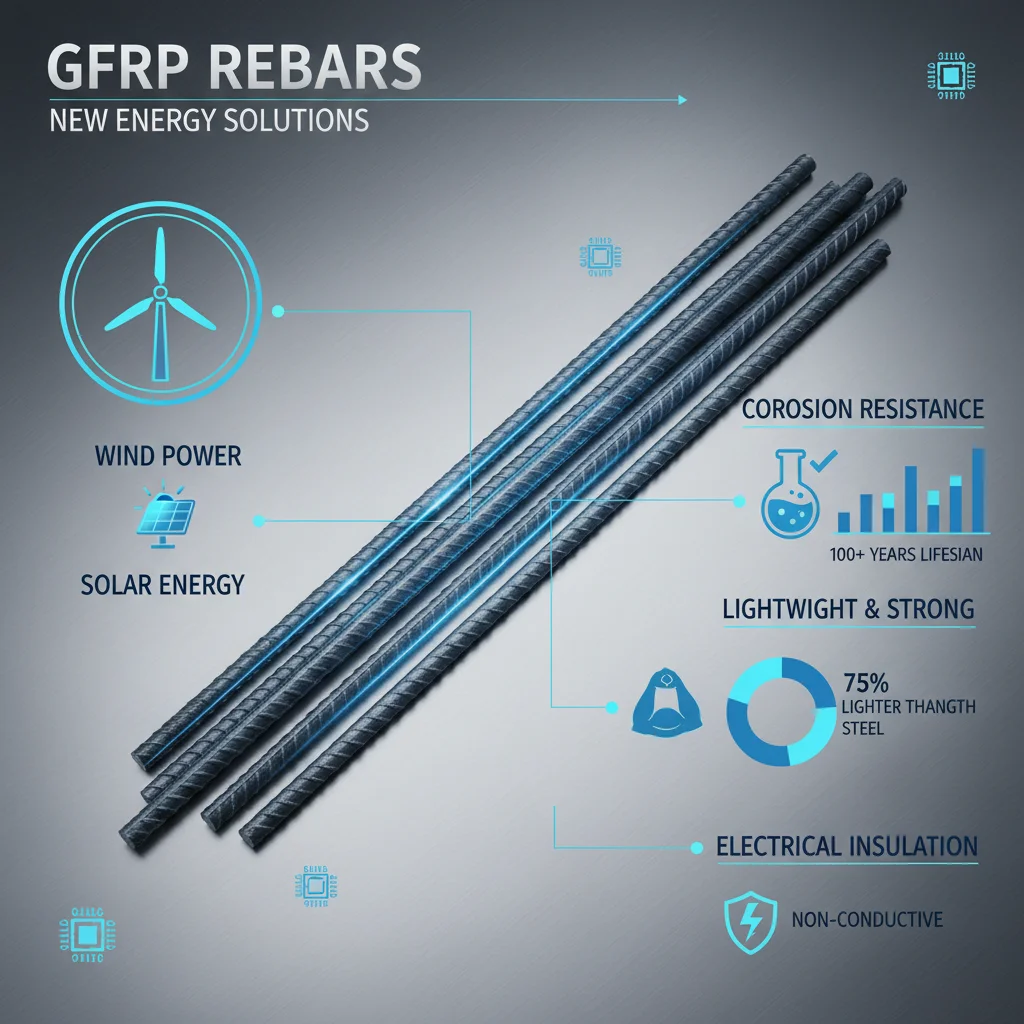
Furthermore, the lightweight nature of GFRP makes it an ideal choice for modern industrial needs where ease of transport and installation are paramount. The transition from heavy steel to glass rebar reduces the carbon footprint associated with logistics and allows for faster deployment on large-scale construction sites.
Core Components of Composite Reinforcement
The effectiveness of glass rebar depends heavily on the synergy between its two primary components: the glass fibers and the resin matrix. The fibers provide the necessary tensile strength, acting as the primary load-bearing element, while the resin protects these fibers from external damage and ensures the load is distributed evenly across the bar.
Another critical factor is the "bond strength" between the glass rebar and the surrounding concrete. To achieve this, manufacturers often apply specialized coatings or surface deformations—such as sand-coating or ribbing—to ensure that the composite bar does not slip under pressure, mirroring the mechanical interlocking found in traditional steel.
Finally, chemical resistance is a hallmark of this technology. Because glass rebar is non-conductive and non-magnetic, it is the only logical choice for projects involving MRI rooms in hospitals or high-voltage electrical substations, where electromagnetic interference must be completely eliminated.
Practical Applications and Use Cases
In real-world scenarios, glass rebar is finding its way into the most challenging environments. For instance, in the construction of marine piers and seawalls, where the constant spray of salt water would destroy steel in years, GFRP reinforcement ensures a service life of over 50 years with minimal intervention.
Beyond marine use, industrial zones dealing with acid rain or chemical spills utilize glass rebar for flooring and containment slabs. In these settings, the material's immunity to chemical corrosion prevents the structural degradation that often leads to hazardous leaks or floor collapses.
Performance Comparison of Reinforcement Methods
Long-Term Value and Advantages
The shift toward glass rebar is driven by a transition from "lowest initial cost" to "lowest lifecycle cost." While the purchase price of composite materials can sometimes be higher than basic steel, the total cost of ownership is significantly lower. This is due to the elimination of expensive cathodic protection systems and the removal of the need for frequent structural audits and repairs.
Beyond the logic of finance, there is an emotional and safety-driven value to this innovation. Knowing that a bridge or a dam is reinforced with glass rebar provides peace of mind to the public and engineers alike. It represents a commitment to safety and a trust in advanced material science to protect human lives from the hidden dangers of internal corrosion.
Future Trends in Fiber Technology
Looking ahead, the evolution of glass rebar is leaning toward "smart reinforcement." Researchers are integrating optical fibers into the GFRP matrix, turning the rebar into a sensor that can detect stress, strain, and temperature changes in real-time. This digital transformation will allow bridge managers to receive alerts before a structural failure occurs, moving maintenance from a reactive to a predictive model.
Sustainability is another driving force. The next generation of glass rebar will likely utilize bio-based resins, reducing the reliance on petroleum-derived polymers. This alignment with green energy policies ensures that the construction industry can continue to grow without compromising the health of the planet.
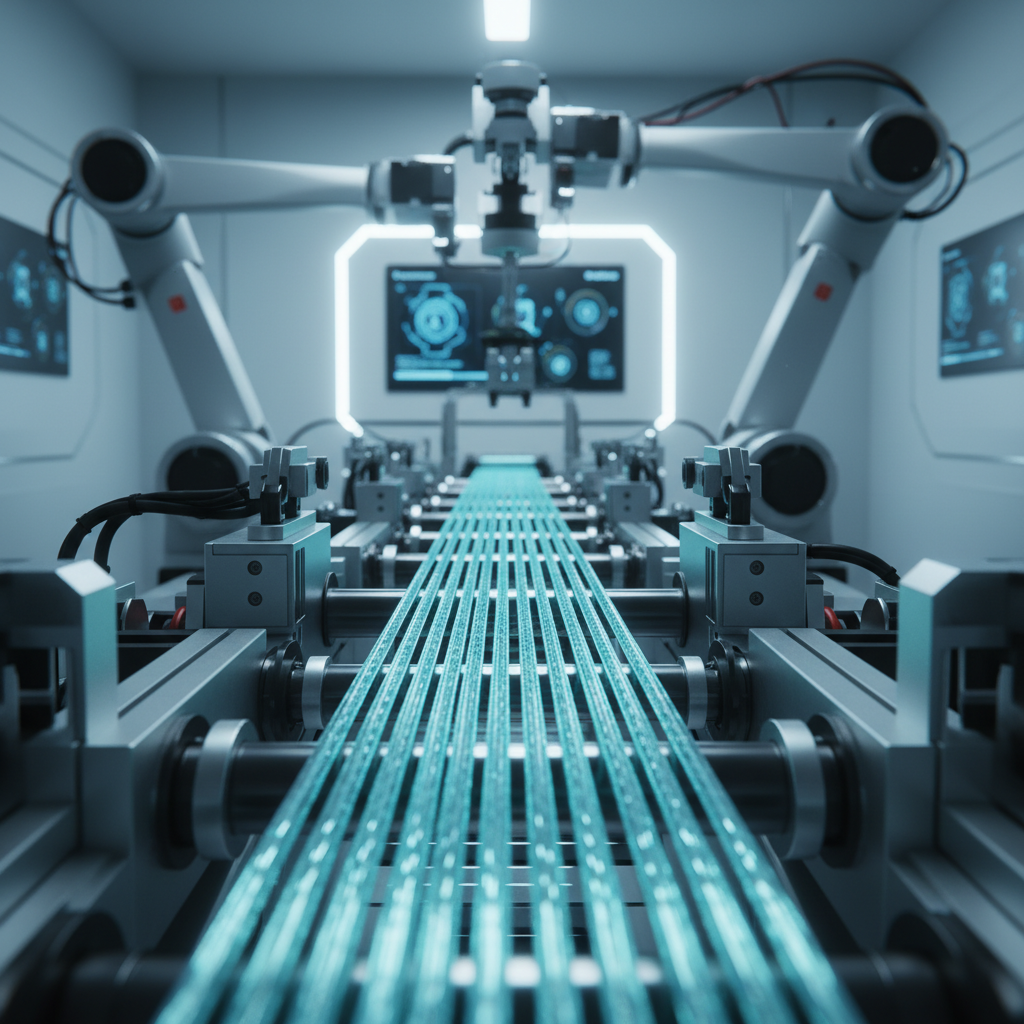
Automation in manufacturing is also accelerating. The use of AI-driven extrusion processes ensures that each meter of glass rebar has perfectly consistent fiber distribution. This eliminates weak points and allows for the creation of customized profiles tailored to the specific load requirements of a particular architectural project.
Overcoming Implementation Challenges
Despite the benefits, the adoption of glass rebar faces challenges, primarily centered around traditional building codes and contractor familiarity. Many local regulations are still written exclusively for steel, making it difficult for engineers to get approval for composite alternatives. The solution lies in the widespread adoption of ACI (American Concrete Institute) and similar global standards that provide clear guidelines for GFRP design.
Another common concern is the lack of ductility compared to steel; composite bars do not "bend" before they break. However, expert insights suggest that this can be overcome through proper engineering design. By calculating higher safety factors and utilizing the superior tensile strength of glass rebar, designers can create structures that are equally safe, if not safer, than their steel counterparts.
Finally, the issue of on-site cutting and bending is often cited. Unlike steel, glass rebar cannot be bent cold on-site. The solution is a move toward precision pre-fabrication, where bars are manufactured to exact specifications in the factory and delivered ready for installation, thereby reducing waste and improving construction speed.
Comparative Analysis of Glass Rebar vs. Traditional Steel Reinforcement
| Performance Metric |
Glass Rebar (GFRP) |
Carbon Steel |
Impact on Lifecycle |
| Corrosion Resistance |
Immune / Absolute |
High Vulnerability |
Lowers maintenance cost |
| Tensile Strength |
Very High |
High |
Increases load capacity |
| Weight (Density) |
Low (1/4 of steel) |
High |
Reduces shipping costs |
| Electrical Conductivity |
Non-conductive |
Conductive |
Ideal for EMI environments |
| Installation Speed |
Fast (Lightweight) |
Slow (Heavy) |
Shortens project timeline |
| Service Life |
50-100 Years |
15-30 Years (Coastal) |
Extends structural life |
FAQS
In terms of tensile strength, glass rebar often exceeds that of traditional steel. However, it behaves differently under compression and does not possess the same ductility (it doesn't bend before breaking). For most concrete applications, the high tensile strength of GFRP is more than sufficient, provided the engineering design accounts for the material's linear-elastic behavior.
No, glass rebar cannot be bent cold on-site like steel can. Any required bends, hooks, or stirrups must be manufactured during the extrusion process at the factory. This requires more precise planning and detailed shop drawings, but it also ensures higher quality control and reduces on-site labor and material waste.
The temperature resistance of glass rebar depends on the resin matrix used. Most standard GFRP bars are stable up to 60-80°C. For higher temperature requirements, specialized heat-resistant resins can be employed. It is important to consult technical data sheets to ensure the resin type matches the thermal profile of the project.
The upfront material cost may be higher than black steel, but the total lifecycle cost is typically much lower. Because glass rebar eliminates the need for epoxy coatings, galvanized layers, or cathodic protection, and drastically reduces future repair costs due to corrosion, it is the more economical choice for long-term infrastructure.
Structures using glass rebar can easily reach a service life of 50 to 100 years, especially in aggressive environments. Since the primary cause of concrete failure—the corrosion of internal reinforcement—is completely removed, the longevity of the structure is limited only by the quality of the concrete mix and the external environmental wear.
No, one of the greatest advantages of glass rebar is that it is non-magnetic and non-conductive. This makes it the industry standard for hospitals (MRI rooms) and airports where interference with sensitive electronic equipment or radio frequencies must be avoided, unlike steel which can cause signal attenuation or magnetic distortions.
Conclusion
The transition toward glass rebar represents a fundamental shift in how we approach the durability and sustainability of our built environment. By solving the systemic issue of corrosion, reducing logistical weights, and providing unmatched performance in chemically aggressive zones, GFRP reinforcement transforms concrete from a high-maintenance liability into a long-term asset. From coastal bridges to high-tech medical facilities, the application of composite materials ensures that infrastructure is not only stronger but more resilient to the test of time.
As we look toward a future of smarter, greener cities, the integration of advanced composites like glass rebar will be indispensable. We encourage engineers, developers, and procurement officers to look beyond initial material costs and embrace the lifecycle value that these innovations provide. To learn more about high-performance composite solutions and request a technical consultation, visit our website: www.hbztcomposite.com.