The global transition toward sustainable energy has accelerated the deployment of massive photovoltaic arrays, creating a critical need for safe, durable access solutions. An frp solar walkway provides the essential infrastructure required for technicians to navigate solar farms without damaging sensitive panels or compromising the structural integrity of the mounting systems. By integrating advanced composite materials, these walkways solve the perennial conflict between operational accessibility and environmental degradation.
From a technical perspective, the choice of Fiber Reinforced Polymer (FRP) over traditional galvanized steel or aluminum is driven by the harsh exposure inherent in solar installations. Whether situated in salty coastal regions or arid deserts, a high-quality frp solar walkway resists corrosion, UV degradation, and extreme thermal expansion, ensuring that maintenance teams can perform their duties safely for decades. This shift toward composites reflects a broader industry movement toward reducing lifecycle costs and increasing the "uptime" of green energy assets.
Understanding the nuances of FRP implementation in solar environments is not merely about selecting a product, but about optimizing the synergy between material science and renewable energy logistics. This guide explores how the frp solar walkway serves as a cornerstone for operational efficiency, reducing the total cost of ownership for utility-scale solar projects while upholding the highest safety standards for human workers.
As the International Energy Agency (IEA) reports a surge in solar PV capacity globally, the operational challenges of managing these vast installations have become more apparent. The sheer scale of modern solar farms—often spanning thousands of acres in corrosive or remote environments—makes traditional metal walkways a liability. Corrosion from moisture and salt, combined with the conductive nature of metal, introduces risks that can jeopardize both the equipment and the personnel.
The introduction of the frp solar walkway addresses these challenges by providing a non-conductive, lightweight, and chemically inert surface. By utilizing fiberglass-reinforced polymers, operators can deploy walkways that do not rust, reducing the need for frequent replacements and ensuring that the infrastructure lasts as long as the solar panels themselves, typically 25 to 30 years.
An frp solar walkway is a specialized pedestrian access system engineered from a composite of glass fibers embedded in a polymer resin matrix. Unlike standard industrial grating, solar-specific walkways are designed to integrate seamlessly with the racking systems of photovoltaic arrays, providing a stable path for cleaning crews and maintenance engineers without creating structural stress on the PV modules.
These systems are fundamentally connected to the modern need for "smart" infrastructure. In an era where O&M (Operations and Maintenance) costs determine the profitability of a solar project, the use of FRP allows for faster installation and lower labor costs. Because FRP is significantly lighter than steel, it reduces the dead load on the solar supports and simplifies the logistics of transporting materials to remote desert or mountain sites.
Ultimately, the standard for these walkways revolves around the balance of slip resistance, UV stability, and structural rigidity. A professional frp solar walkway utilizes an integrated grit surface or pultruded profile that ensures worker safety even during rain or dew, preventing accidents in high-voltage environments where a slip could be catastrophic.
The structural integrity of an frp solar walkway begins with the resin selection. High-grade isophthalic or vinylester resins are typically used to ensure that the walkway can withstand constant exposure to ultraviolet radiation and chemical pollutants without becoming brittle or discoloring.
Durability is further enhanced through pultrusion technology, where the frp solar walkway profiles are pulled through a resin bath and cured under heat. This creates a unidirectional strength alignment that allows the walkway to support significant point loads while maintaining a slim, lightweight profile.
Finally, the integration of anti-slip aggregates—such as silica sand or aluminum oxide—on the surface of the frp solar walkway ensures maximum traction. This component is vital for safety compliance, meeting international standards for friction coefficients to protect technicians working at height or in damp conditions.
Evaluating the efficacy of an frp solar walkway requires a look at its strength-to-weight ratio. Compared to traditional materials, FRP offers a superior ability to distribute weight across the supporting solar frame, preventing localized sagging and reducing the risk of panel micro-cracks caused by structural shifts.
Moreover, the non-conductive property of the frp solar walkway eliminates the risk of electrical grounding issues, which is a primary safety concern in high-voltage DC environments. This makes FRP the gold standard for utility-scale solar parks where safety regulations are stringent.
In regions like the Middle East and North Africa (MENA), the frp solar walkway is indispensable due to extreme heat and abrasive sandstorms. The material's thermal stability prevents the walkways from warping under intense sun, while its hardness resists the scouring effect of wind-blown particles.
Conversely, in coastal solar installations in Southeast Asia or the Americas, the primary threat is salt-spray corrosion. Here, the frp solar walkway outperforms all metallic alternatives, as it is chemically inert to chloride ions, eliminating the rust cycles that typically plague coastal infrastructure.
The long-term value of an frp solar walkway is found in the drastic reduction of Lifecycle Cost (LCC). While the initial procurement cost may be slightly higher than low-grade steel, the total cost of ownership is lower because FRP requires zero painting, zero galvanizing touch-ups, and virtually no structural repairs over its lifespan.
Beyond the balance sheet, the safety implications are profound. By providing a reliable, non-slip, and non-conductive path, companies reduce the risk of workplace injuries. This fosters a culture of trust and professionalism, where maintenance teams can focus on optimizing energy yield rather than worrying about the stability of the ground beneath them.
Furthermore, the sustainability of FRP aligns with the mission of solar energy. By utilizing materials that do not leach toxins into the soil and have a long replacement cycle, the frp solar walkway minimizes the environmental footprint of the solar farm's supporting infrastructure.
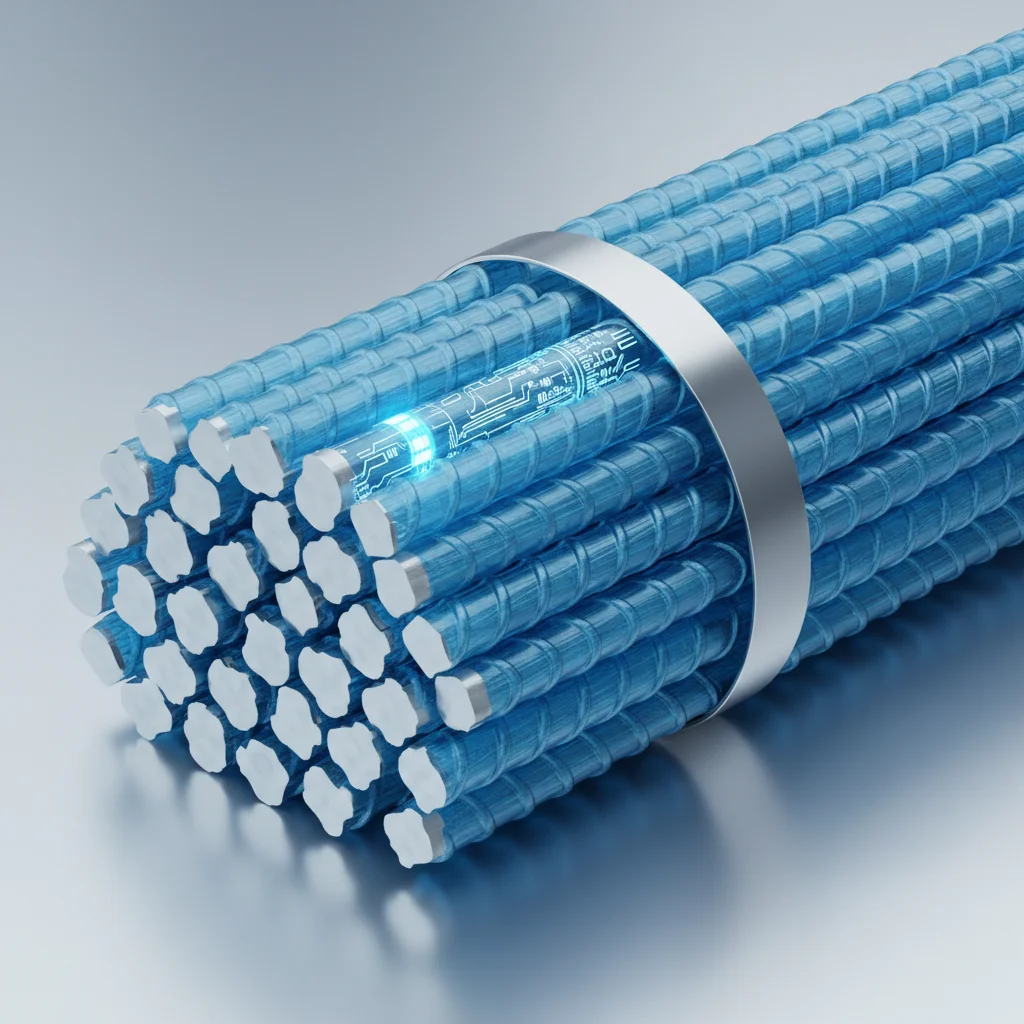
The evolution of the frp solar walkway is moving toward "intelligent composites." Future iterations may incorporate embedded sensors that can detect structural stress or temperature fluctuations, alerting operators to potential issues before they become failures.
Additionally, we are seeing a shift toward bio-based resins and recycled glass fibers to make the frp solar walkway even more eco-friendly. This circular economy approach ensures that the infrastructure supporting green energy is itself green from production to decommissioning.
As automation increases, these walkways are being designed to support robotic cleaning systems. The smooth yet high-friction surface of a modern frp solar walkway provides the perfect track for autonomous maintenance bots, bridging the gap between human labor and digital transformation.
| Material Variant | Corrosion Resistance | Installation Speed | Service Life (Years) |
|---|---|---|---|
| Standard Orthophthalic FRP | High | Fast | 15-20 |
| Isophthalic UV-Stabilized FRP | Very High | Fast | 25-30 |
| Vinylester Chemical Grade FRP | Exceptional | Medium | 30+ |
| Galvanized Steel (Reference) | Low/Medium | Slow | 10-15 |
| Aluminum Alloy (Reference) | Medium/High | Fast | 15-20 |
| Recycled Composite FRP | High | Fast | 20-25 |
The primary advantages are corrosion resistance and electrical insulation. While steel eventually rusts—especially in humid or salty air—FRP is chemically inert. Furthermore, because FRP is non-conductive, it significantly reduces the risk of electrical accidents for technicians working around high-voltage solar arrays, providing a safer working environment.
When manufactured with UV-stabilized isophthalic or vinylester resins, an FRP solar walkway can easily last 25 to 30 years. It is specifically designed to resist thermal expansion and UV degradation, ensuring that the material does not become brittle or crack despite constant exposure to intense sunlight and high temperatures.
Standard FRP profiles are smooth, but solar-grade walkways are equipped with an integrated anti-slip surface. This is achieved by embedding grit (like silica sand) into the resin during the curing process. This ensures that maintenance crews have secure footing even during rain, dew, or when cleaning panels with water.
Yes, FRP solar walkways are designed for versatility. They can be customized to fit various racking profiles and are typically secured using stainless steel fasteners. Because they are lightweight, they can be added to existing systems without requiring significant structural reinforcement of the underlying supports.
Yes, they contribute to sustainability in two ways: first, their extreme longevity reduces the frequency of material replacement and waste. Second, they do not require toxic anti-corrosion coatings or paints that can leach into the environment. Many manufacturers are also now integrating recycled glass fibers into the production process.
The choice depends on the intended use. For simple technician access, a standard load rating is sufficient. However, if the walkway must support heavy cleaning equipment or multiple workers simultaneously, a higher-thickness pultruded profile should be selected. Always consult the load-span tables provided by the manufacturer to ensure safety compliance.

If you are interested in our products, you can choose to leave your information here, and we will be in touch with you shortly.