Walkway FRP – it’s not just a material, it's a solution I’ve seen solve real problems on sites all over. For years, we’ve battled corrosion, fatigue, and sheer weight with traditional materials. Now, Fiber Reinforced Polymer (FRP) composites are changing the game, especially when it comes to walkways, platforms, and grating. It’s a shift that’s making projects safer, faster, and frankly, less of a headache for everyone involved. This isn’t lab talk; this is boots-on-the-ground experience. We're talking about structures built to last, reducing lifecycle costs, and getting people back to work quicker.
I've spent enough time dealing with rust eating away at steel, or the endless patching of concrete to really appreciate the leap forward FRP represents. The beauty of it is the strength-to-weight ratio – it’s incredible. Less weight means easier installation, reduced support structure needs, and quicker project timelines. I’ve seen crews cut installation times by nearly half just by switching to FRP walkways. Plus, you eliminate a lot of the ongoing maintenance headaches. It really streamlines operations.
Beyond the cost savings, there's a huge impact on safety. Non-slip surfaces, reduced risk of collapse, and non-conductive properties are massive benefits, especially in harsh environments. I’ve worked on offshore platforms where FRP walkways are absolutely crucial for safety, and in chemical plants where corrosion resistance is paramount. The difference it makes isn't just theoretical, it's directly impacting worker well-being.

The Fundamentals of walkway frp
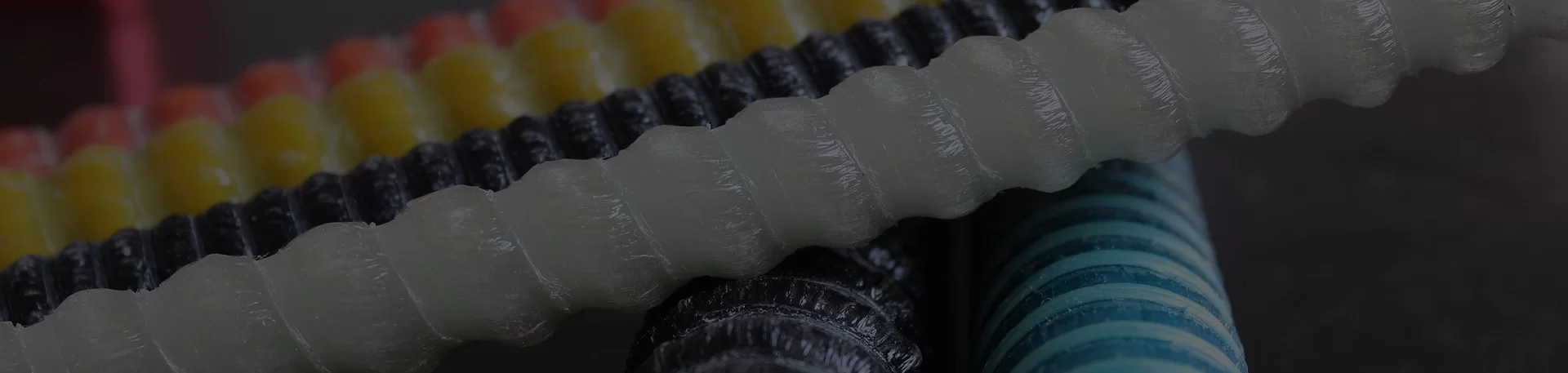
Let’s break down what walkway FRP actually is. It’s a composite material made by combining a polymer matrix – things like vinyl ester, polyester, or epoxy resins – with reinforcing fibers, typically fiberglass, carbon fiber, or basalt. That combination gives you a material that's incredibly strong for its weight, highly resistant to corrosion, and, crucially, non-conductive. I've seen firsthand how this resistance to harsh chemicals and saltwater extends the lifespan of structures dramatically compared to traditional steel or aluminum.
From a practical standpoint, it means fewer replacements, less downtime, and lower overall lifecycle costs. It’s a real game-changer, especially in industries where maintaining structural integrity in aggressive environments is critical. It’s not a cheap upfront fix, mind you, but the long-term savings more than make up for the initial investment. And, importantly, it’s a material that’s getting more affordable and readily available as demand increases.
Defining Walkway FRP: A Modern Necessity
Walkway FRP isn't just a better material; it’s increasingly becoming a necessary material. We’re seeing stricter safety regulations, a growing awareness of lifecycle costs, and a push for more sustainable construction practices. FRP ticks all those boxes. Consider the offshore oil and gas industry – corrosion is a constant battle, and the cost of even a short shutdown for repairs can be astronomical. FRP walkways eliminate a huge chunk of that risk.
It’s also crucial in chemical processing plants, wastewater treatment facilities, and even food processing environments where hygiene and corrosion resistance are non-negotiable. The ability to customize the FRP to meet specific needs – load requirements, surface textures, fire resistance – is another huge advantage. You're not just buying a product; you're getting a tailored solution.
Furthermore, the increasing focus on sustainability is driving demand for FRP. It’s a durable material that requires less maintenance and replacement, reducing waste and resource consumption over the long term. That resonates with clients and stakeholders who are prioritizing environmental responsibility.
Key Advantages of walkway frp Systems
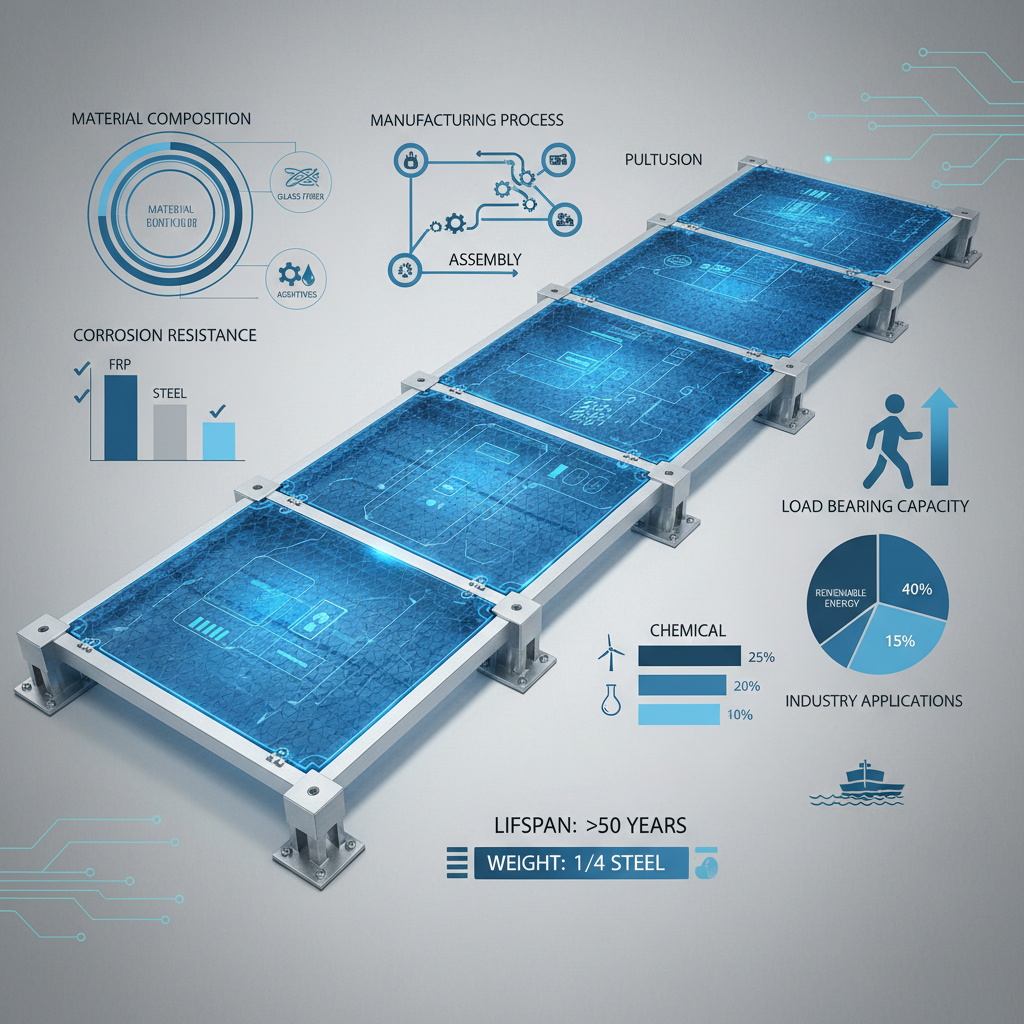
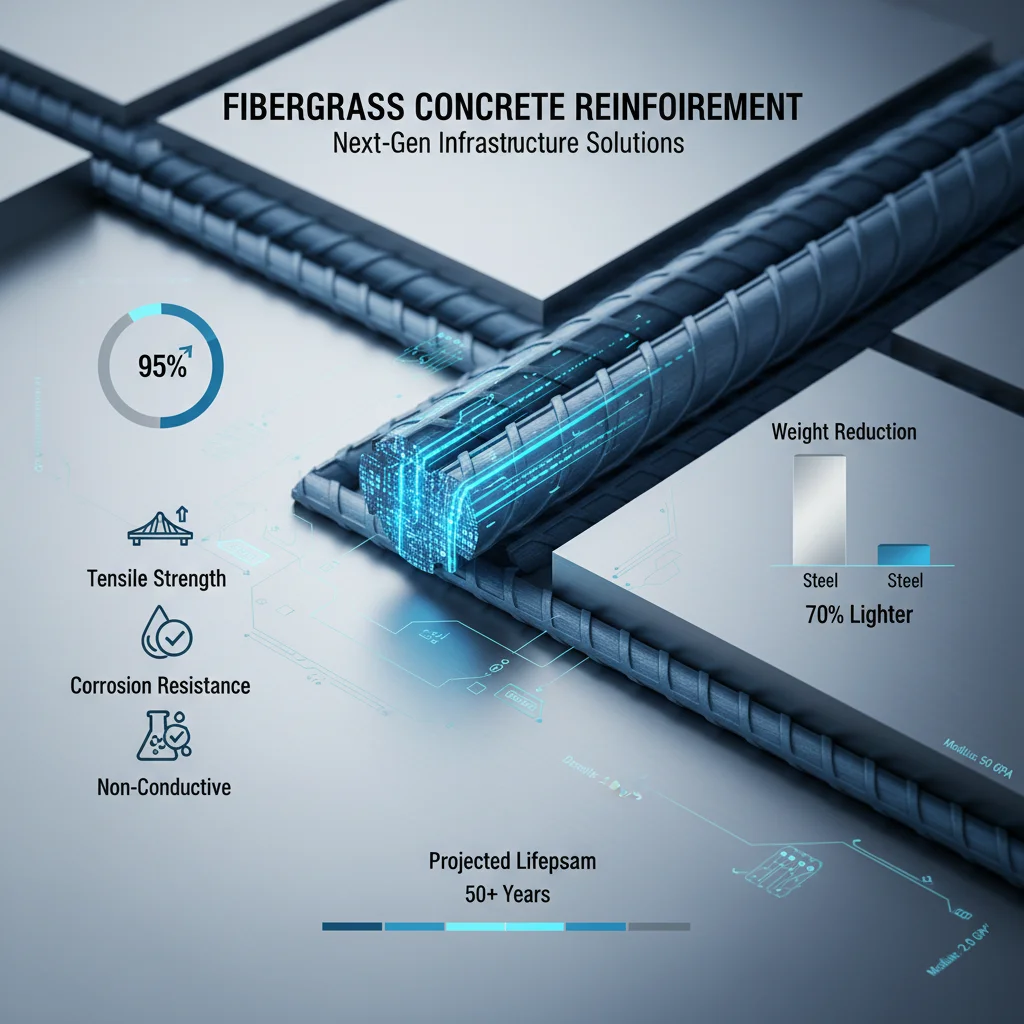
Let's get down to brass tacks: what makes walkway FRP stand out? First and foremost, it’s the corrosion resistance. Steel rusts, aluminum corrodes – it's just a matter of time. FRP, on the other hand, is impervious to a wide range of chemicals and environmental conditions. That translates to dramatically reduced maintenance costs and a longer service life.
Then there’s the strength-to-weight ratio. FRP is incredibly strong for how little it weighs. This simplifies installation, reduces the need for heavy lifting equipment, and minimizes the load on supporting structures. I’ve seen projects where we’ve been able to eliminate entire support columns simply by switching to FRP walkways.
Finally, don’t underestimate the safety benefits. FRP is non-conductive, reducing the risk of electrical hazards. It can also be manufactured with non-slip surfaces, improving worker safety in wet or slippery conditions. And, because it’s lightweight and easy to fabricate, you can create customized solutions tailored to specific safety requirements.
Global Applications of walkway frp
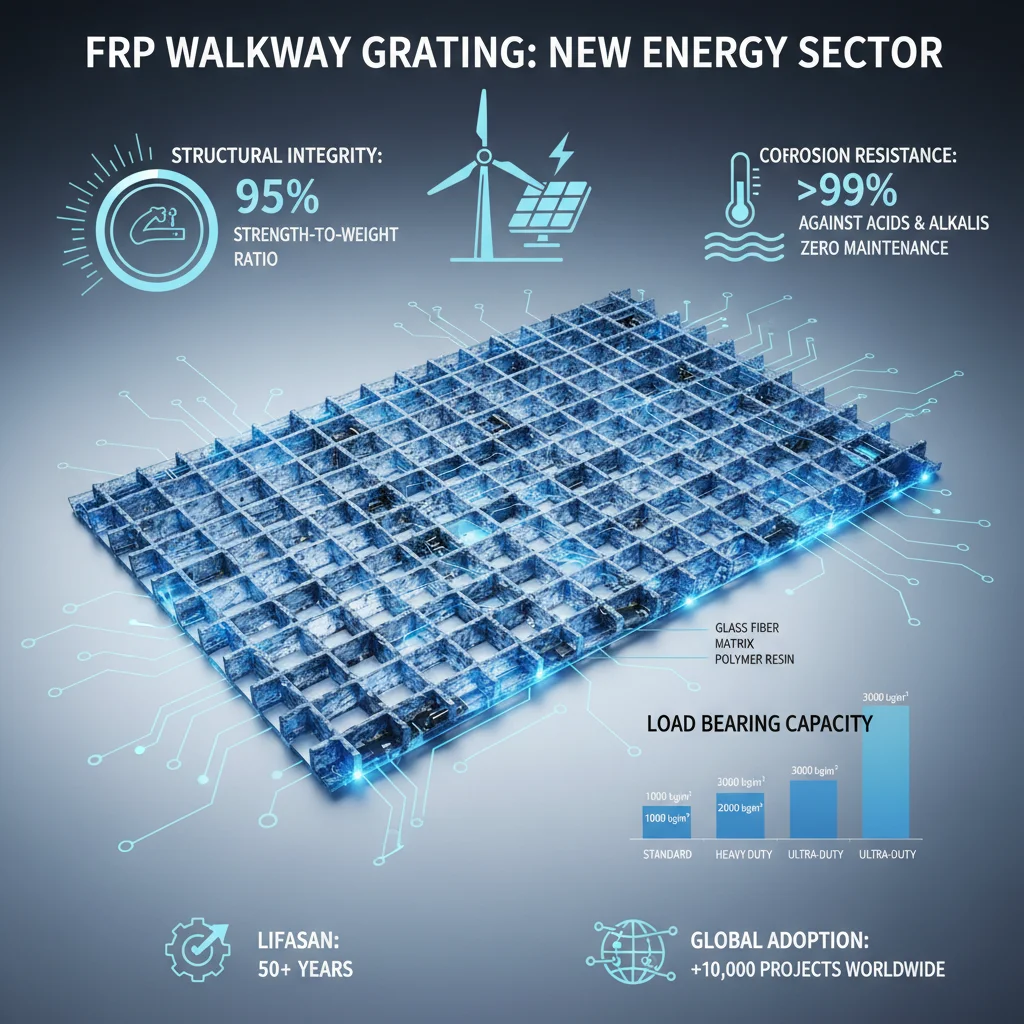
You see walkway FRP popping up everywhere. In the oil and gas industry, it's essential for offshore platforms and onshore processing facilities. Chemical plants and refineries rely on it to withstand corrosive environments. Wastewater treatment plants use it for walkways, grating, and handrails. Even food and beverage processing facilities are adopting it for its hygienic properties.
I’ve worked on projects in the Gulf of Mexico, the North Sea, and the Middle East, and FRP is becoming the standard in all of those regions. It’s also gaining traction in developing countries where the cost of maintenance and replacement is a major concern. For example, in remote industrial zones where access to repair crews is limited, FRP’s durability is a game-changer.
walkway frp Application Areas
Long-Term Benefits and Value Proposition of walkway frp
The tangible benefits of walkway FRP are clear: reduced maintenance costs, extended service life, and improved safety. But it goes beyond that. There's a real value in peace of mind knowing that your infrastructure is built to last, even in the harshest environments. That translates to less downtime, fewer disruptions, and increased productivity.
From a sustainability perspective, FRP’s durability and reduced maintenance requirements contribute to a lower environmental footprint. And, from a societal standpoint, it creates a safer working environment for the people who build and maintain our infrastructure. It’s a win-win-win.
Future Trends and Innovation in walkway frp
We’re seeing exciting developments in FRP technology. Researchers are exploring new resin formulations to enhance strength and durability even further. There’s also a lot of focus on incorporating recycled materials into FRP composites, making them even more sustainable. And the integration of smart sensors into FRP structures is enabling real-time monitoring of stress and strain, allowing for predictive maintenance.
I'm particularly excited about the potential of automated fiber placement techniques to reduce manufacturing costs and improve the consistency of FRP structures. And as 3D printing technology matures, we could see a future where customized FRP walkways are fabricated on-site, tailored to specific project needs.
Challenges and Solutions in walkway frp Implementation
Let’s be realistic – walkway FRP isn't a silver bullet. One challenge is the initial cost, which can be higher than traditional materials. But, as I said before, that needs to be weighed against the long-term lifecycle costs. Another challenge is the need for specialized installation expertise. You can't just throw any construction crew at it.
To address these challenges, we need to invest in training and education, and to promote the development of standardized installation procedures. And as the market grows, competition will drive down prices, making FRP more accessible. I'm also seeing more manufacturers offering turnkey solutions, including design, fabrication, and installation services.
Finally, a key hurdle is overcoming outdated specifications and building codes that don't fully recognize the benefits of FRP. We need to work with industry organizations and regulatory bodies to update these standards and to create a level playing field for innovative materials like FRP.
Key Performance Indicators for Walkway FRP Selection
| Material Type |
Corrosion Resistance |
Strength-to-Weight Ratio |
Installation Complexity |
| Vinyl Ester FRP |
9/10 |
8/10 |
6/10 |
| Polyester FRP |
7/10 |
7/10 |
5/10 |
| Epoxy FRP |
10/10 |
9/10 |
7/10 |
| Carbon Fiber FRP |
9/10 |
10/10 |
8/10 |
| Basalt Fiber FRP |
8/10 |
7/10 |
6/10 |
| Traditional Steel |
3/10 |
5/10 |
9/10 |
FAQS
A properly designed and installed walkway frp structure can easily last 50 years or more, with minimal maintenance. Compared to steel or concrete, which require frequent repairs and replacements, FRP offers a significantly longer service life, reducing lifecycle costs and downtime. The specific lifespan will depend on the environmental conditions and the quality of the materials used.
Walkway frp generally performs well in both high and low temperatures, but it’s important to select the appropriate resin system for the specific application. Some resins are more susceptible to degradation at extreme temperatures than others. The composite's thermal expansion and contraction rates also need to be considered during the design phase to prevent stress cracking.
The initial material cost of walkway frp can be higher than steel or concrete. However, when you factor in the reduced maintenance, longer lifespan, and lower labor costs for installation, FRP often proves to be more cost-effective over the long term. Plus, you avoid the costs associated with corrosion repair and replacement, which can be substantial.
Walkway frp can be formulated with fire retardant additives to achieve various fire resistance ratings. The specific rating will depend on the resin system and the type of reinforcements used. It’s essential to consult with a qualified engineer to determine the appropriate fire rating for your application and to ensure compliance with local building codes.
Walkway frp installation typically involves cutting, drilling, and fastening the composite components using mechanical fasteners or adhesives. While some aspects of the installation process are similar to traditional materials, it does require specialized skills and knowledge of FRP properties and installation techniques. It’s crucial to use trained and certified installers to ensure a proper and safe installation.
Walkway frp offers several environmental benefits. It’s a durable material that requires less maintenance and replacement, reducing waste and resource consumption. It's also resistant to corrosion, eliminating the need for harmful coatings and preventing the release of pollutants into the environment. Furthermore, FRP can be manufactured using recycled materials, contributing to a circular economy.
Conclusion
Walkway FRP represents a significant advancement in construction materials. Its combination of strength, durability, corrosion resistance, and safety benefits makes it an ideal solution for a wide range of applications. While the initial cost may be higher, the long-term value proposition – reduced lifecycle costs, minimized downtime, and a safer working environment – is undeniable.
As technology continues to evolve, we can expect to see even more innovative FRP solutions emerge, further expanding its applications and driving down costs. Embracing these advancements is crucial for building more sustainable, resilient, and efficient infrastructure for the future. If you’re considering a walkway, platform, or grating solution, take a serious look at FRP – it might just be the smartest investment you make.