Look, I’ve spent the last fifteen years breathing concrete dust and getting to know fiberglass rebar for concrete – not from a lab, but from the job site. And let me tell you, it’s a game-changer. We’re talking about a material that’s not just addressing the shortcomings of traditional steel reinforcement, it’s redefining what’s possible in construction. For too long, we've battled corrosion, weight issues, and inconsistent quality. Fiberglass rebar is offering real solutions, especially as projects get bigger, more complex, and demand longer lifespans. The push towards sustainable infrastructure is also a huge driver – and this material fits the bill.
The biggest problem I see day-to-day is the constant struggle against corrosion. Coastal projects, de-icing salts in the winter… steel just rots. That means expensive repairs, shortened lifecycles, and frankly, safety concerns. Fiberglass rebar for concrete changes that equation. It doesn't rust. It’s lighter, easier to handle, and cuts down on labor costs. It's also non-conductive, which is critical for certain applications. What’s been holding it back hasn't been performance, it’s been awareness and getting engineers comfortable with the shift. That's changing, and quickly.
Frankly, the push for innovation isn’t just about making things easier. It’s about building better, longer-lasting infrastructure. We're facing aging infrastructure worldwide, and the cost of simply replacing everything with more steel is unsustainable. Fiberglass rebar offers a viable path towards extending the life of structures, reducing maintenance, and ultimately saving money over the long haul. It’s not a silver bullet, but it’s a critical piece of the puzzle for a more resilient and sustainable future.
The Rise of Fiberglass Rebar for Concrete
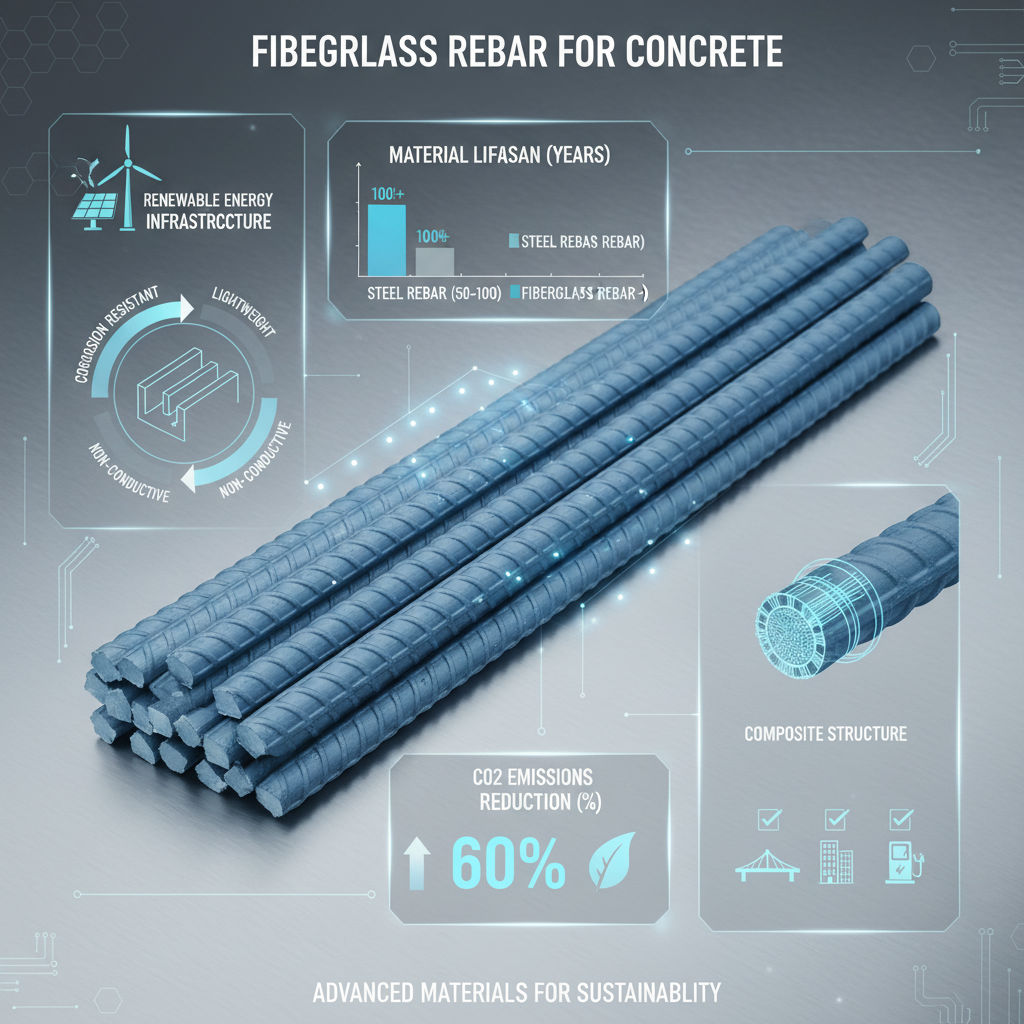
The construction industry is constantly looking for materials that are stronger, lighter, and more durable. Fiberglass rebar for concrete is quickly becoming a frontrunner in this quest. It’s not just hype, either. I’ve seen firsthand how it’s improving project outcomes in demanding environments. We're talking about a material that offers superior corrosion resistance, a high strength-to-weight ratio, and a significant reduction in thermal conductivity. fiberglass rebar for concrete is changing the way we build.
What’s driving this adoption? Primarily, the cost of maintaining steel-reinforced concrete structures. The constant need for repairs due to corrosion is astronomical. Fiberglass rebar offers a long-term solution that reduces lifecycle costs, making it an economically attractive option. Plus, the lighter weight translates to easier handling and reduced labor expenses on-site.
Defining Fiberglass Rebar for Concrete
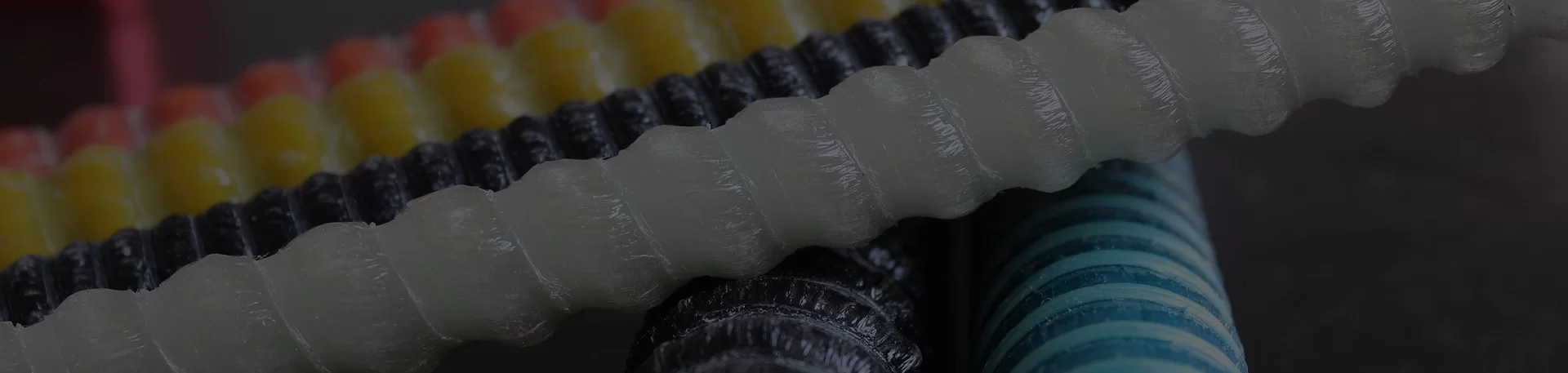
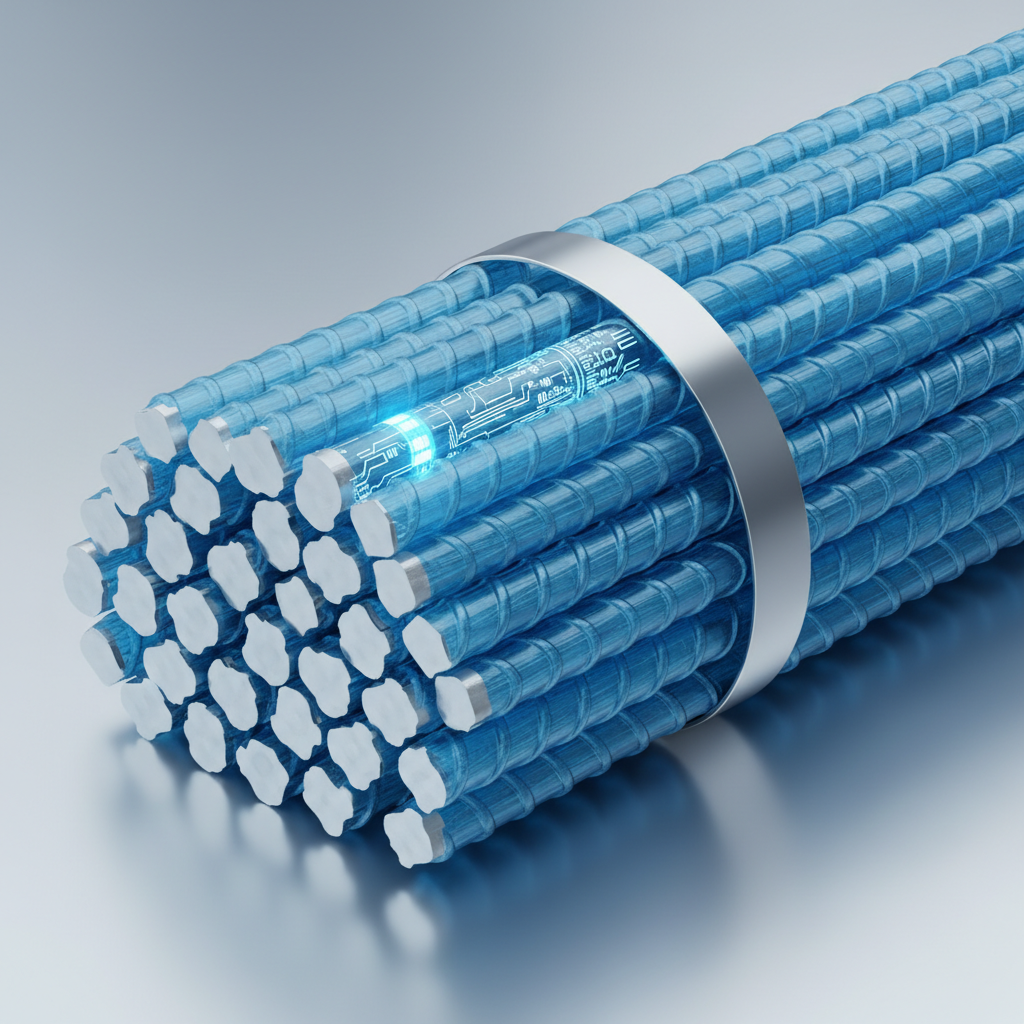
Simply put, fiberglass rebar for concrete (also known as GFRP rebar) is a composite material made from glass fibers embedded in a resin matrix. Think of it like a really strong, durable plastic with the tensile strength of steel, but without the rust. Unlike traditional steel rebar, it doesn't contain any metal, which eliminates the risk of corrosion. This is a critical difference.
Its connection to modern industry isn’t just about replacing steel. It's about enabling new construction possibilities. Structures can be built in environments where steel simply wouldn't survive – think saltwater exposure, chemically aggressive soils, or areas prone to de-icing salts. It’s also becoming essential in MRI suites and other applications where non-conductivity is paramount.
Essentially, it's an engineered material designed to address the specific weaknesses of steel reinforcement. It's not about doing things the way we've always done them; it’s about building smarter, building more sustainably, and building for the long haul.
Key Properties of Fiberglass Rebar
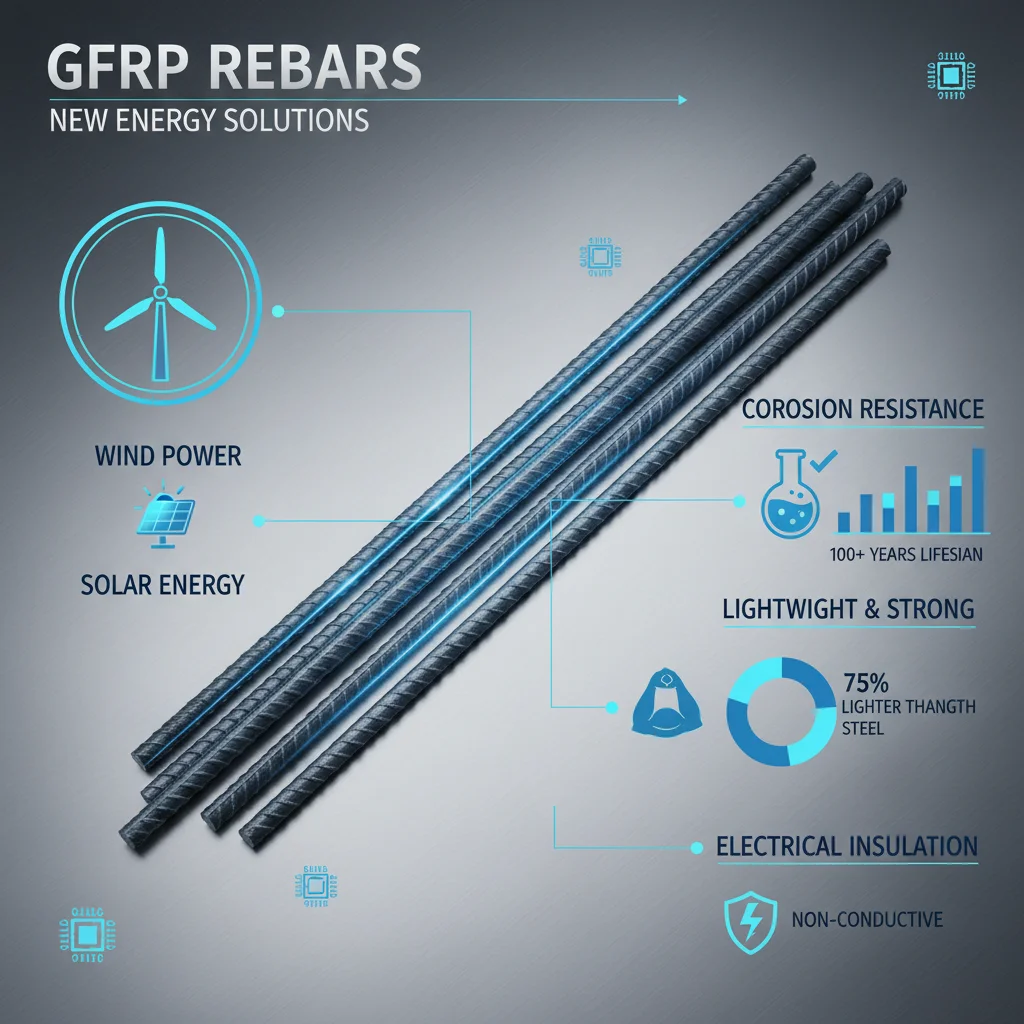
One of the most important properties is its incredibly high tensile strength. It’s comparable to steel, meaning it can withstand significant pulling forces. But strength isn't everything; its lightweight nature is equally crucial. Fiberglass rebar is roughly 75% lighter than steel, which drastically reduces handling costs and simplifies installation. That weight savings also translates to lower transportation costs, which adds up on large projects.
Another key factor is its corrosion resistance. Because it doesn’t contain metal, fiberglass rebar is impervious to rust and degradation, even in the most corrosive environments. This dramatically extends the lifespan of structures and reduces maintenance costs. Beyond that, it has a low thermal conductivity, meaning it doesn’t transfer heat as readily as steel. This is a huge advantage in applications like concrete pavements, where thermal expansion and contraction can cause cracking.
Finally, its non-conductivity is a major selling point for specific applications. It’s ideal for projects near electrical equipment or in environments where electromagnetic interference is a concern. We're seeing increasing demand in MRI facilities, power plants, and areas with sensitive electronic systems.
Global Applications & Real-World Use Cases
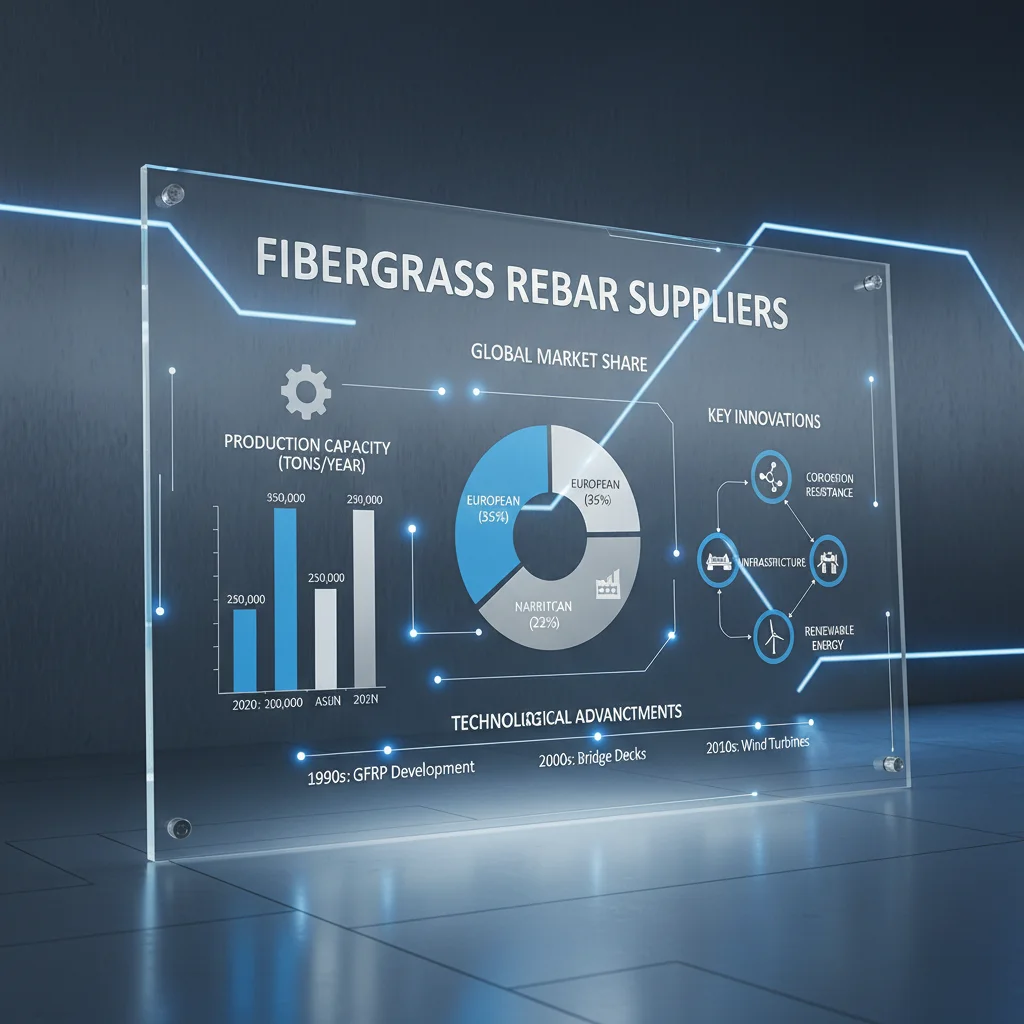
I’ve seen fiberglass rebar used in everything from bridge decks to marine pilings. The US is a growing market, but Europe and Asia are leading the charge, particularly in infrastructure projects where longevity and low maintenance are paramount. Coastal regions are a natural fit, with the material proving its worth in sea walls, docks, and bridge structures exposed to saltwater.
In post-disaster relief operations, the lightweight nature of fiberglass rebar makes it invaluable for rapid reconstruction. It’s easier to transport and install, allowing for faster recovery times. We've seen it used extensively in temporary shelters and emergency infrastructure.
And it's not just large-scale projects. It's increasingly being used in residential construction, particularly in areas prone to corrosion. Basements, foundations, and concrete slabs are all benefiting from the durability and longevity of fiberglass reinforcement.
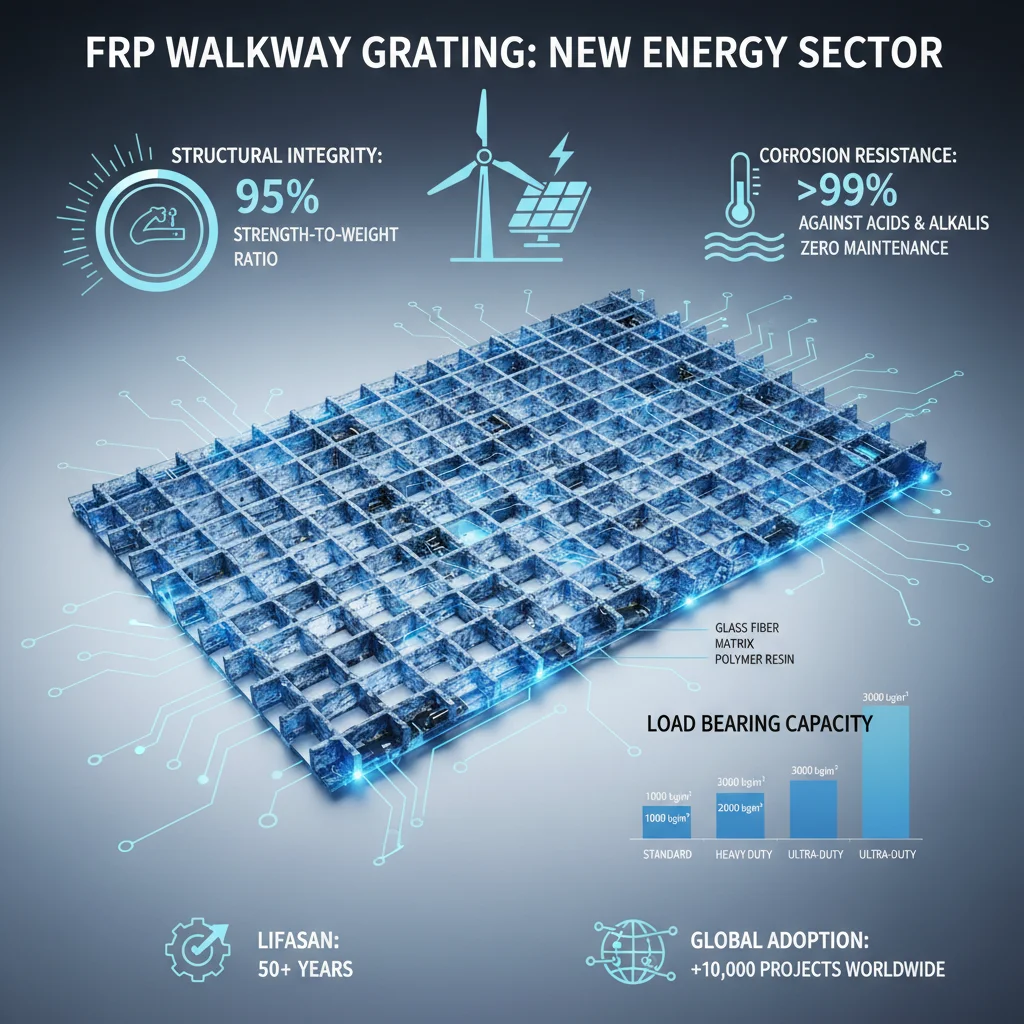
Fiberglass Rebar Application by Sector
Advantages and Long-Term Value Proposition
The tangible benefits are clear: reduced lifecycle costs due to corrosion resistance, lower transportation and installation expenses thanks to its lightweight nature, and increased durability leading to longer-lasting structures. But the value extends beyond just dollars and cents. It's about building with confidence, knowing that the infrastructure we create today will stand the test of time.
From a sustainability standpoint, fiberglass rebar is a win. It reduces the need for frequent repairs and replacements, minimizing waste and conserving resources. It also contributes to a safer work environment, as it's non-conductive and easier to handle. That sense of reliability and safety is priceless.
Future Trends & Innovation in Fiberglass Rebar Technology
We're seeing a lot of innovation in resin formulations, leading to even stronger and more durable fiberglass rebar. Manufacturers are also focusing on improving production processes to reduce costs and increase accessibility. The development of standardized testing methods and design guidelines is also crucial for wider adoption.
Digital integration is another trend to watch. Using sensors embedded within the rebar to monitor stress and strain in real-time will provide valuable data for structural health monitoring and predictive maintenance. It’s about moving from reactive repairs to proactive management.
Challenges & Practical Solutions for Adoption
The biggest hurdle right now is familiarity. Engineers and contractors are comfortable with steel, so there's a natural resistance to change. Education and training are key to overcoming this. We need to demonstrate the long-term benefits and provide practical guidance on design and installation.
Cost can also be a factor, initially. While lifecycle costs are lower, the upfront investment can be higher than steel. However, as production volumes increase and technology improves, the price gap is narrowing.
Finally, ensuring consistent quality control is paramount. It’s crucial to work with reputable manufacturers who adhere to strict standards and certifications. fiberglass rebar for concrete requires a holistic approach – from material selection to proper installation – to realize its full potential.
Summary of Challenges and Solutions for Fiberglass Rebar Adoption
| Challenge |
Impact Level (1-10) |
Proposed Solution |
Implementation Cost (Low/Med/High) |
| Lack of Engineer Familiarity |
9 |
Comprehensive Training Programs & Case Studies |
Med |
| Initial Higher Material Cost |
7 |
Highlight Lifecycle Cost Savings & Value Engineering |
Low |
| Limited Design Standards |
6 |
Collaboration with Industry Associations to Develop Standards |
Med |
| Installation Concerns (Different Techniques) |
8 |
On-Site Training & Supervision During Initial Projects |
Med |
| Quality Control Variability |
7 |
Strict Supplier Qualification & Independent Testing |
Med |
| Lack of Awareness in the Market |
5 |
Targeted Marketing & Promotion to Key Stakeholders |
Low |
FAQS
The most significant advantage is corrosion resistance. Steel rebar corrodes rapidly in saltwater environments, leading to structural weakening and expensive repairs. Fiberglass rebar doesn’t corrode, drastically extending the lifespan of coastal structures. It's also lighter, simplifying handling and reducing transportation costs. This is huge in remote coastal areas where getting materials in is a challenge.
While incredibly versatile, fiberglass rebar isn’t a direct replacement for steel in every application. It excels in situations where corrosion is a major concern, or where weight reduction is critical. For example, it’s ideal for bridge decks, marine structures, and precast concrete elements. However, high-stress applications requiring significant ductility might still necessitate steel. It’s about choosing the right tool for the job.
Because fiberglass rebar doesn't corrode, structures can realistically have a lifespan significantly longer than those reinforced with steel – potentially 75-100 years or more. This is a substantial increase, and it translates directly into lower lifecycle costs. Proper design and installation are still crucial, of course, but the inherent durability of the material provides a major advantage.
The upfront cost of fiberglass rebar can be higher than steel, but it's essential to consider the total cost of ownership. When you factor in reduced maintenance, lower repair costs, and extended lifespan, fiberglass rebar often proves to be more economical in the long run. Plus, the lighter weight can save on labor and transportation, further offsetting the initial investment.
Fiberglass rebar exhibits excellent performance in both high and low temperatures. It maintains its strength and structural integrity across a wide range of temperatures. Its low thermal conductivity also minimizes thermal stress in concrete, reducing the risk of cracking. This makes it ideal for applications in regions with extreme climates.
Look for rebar that meets ASTM D7957 and/or ACI 440.1R guidelines. These standards ensure the material meets specific performance criteria and quality control standards. Reputable manufacturers will provide documentation demonstrating compliance with these certifications. Don’t cut corners here - quality assurance is critical.
Conclusion
Fiberglass rebar for concrete isn’t just a material upgrade; it’s a paradigm shift in how we approach construction. From drastically reducing corrosion to lowering lifecycle costs and promoting sustainability, the benefits are undeniable. It’s a smarter, more durable, and more responsible way to build for the future. The initial learning curve and upfront cost may seem daunting, but the long-term rewards far outweigh the challenges.
I encourage engineers, contractors, and project owners to seriously consider fiberglass rebar for their next project. It's time to move beyond traditional methods and embrace innovation. The future of construction isn’t about doing things the way we’ve always done them; it’s about building better, stronger, and more sustainable infrastructure for generations to come. To learn more about how fiberglass rebar for concrete can benefit your projects, visit our website today!