The evolution of modern infrastructure has led to a critical search for materials that can withstand the harshest environmental conditions without compromising structural integrity. Among the most promising innovations is concrete fiberglass rebar, a high-performance alternative to traditional steel reinforcement that eliminates the age-old problem of corrosion. By integrating advanced composite technology into the very core of our buildings and bridges, the construction industry is shifting toward a more sustainable and durable paradigm.
Globally, the degradation of reinforced concrete due to saltwater ingress and chemical attacks costs billions of dollars in maintenance and premature demolition annually. The adoption of concrete fiberglass rebar addresses these vulnerabilities directly, offering a non-corrosive solution that extends the service life of structures by decades. This transition is not merely a technical upgrade but a strategic move toward reducing the carbon footprint of the global construction sector.
Understanding the mechanics and benefits of Glass Fiber Reinforced Polymer (GFRP) allows engineers and developers to optimize their designs for longevity and safety. From coastal sea walls to high-traffic highway overpasses, the application of concrete fiberglass rebar ensures that the infrastructure of tomorrow is resilient, lightweight, and economically viable over its entire lifecycle.
Global Relevance of Concrete Fiberglass Rebar
In an era of rapid urbanization, the global demand for durable infrastructure has reached an all-time high. According to reports aligned with ISO standards for sustainable construction, the corrosion of steel in concrete is the primary cause of structural failure in maritime and industrial environments. concrete fiberglass rebar has emerged as a critical solution, providing a rust-proof alternative that mitigates the risk of "concrete cancer" and reduces the need for frequent, costly repairs.
The shift toward composites is driven by the need for lower maintenance costs and increased safety. As cities expand into coastal regions and aggressive chemical environments, the reliance on traditional steel becomes a liability. By utilizing concrete fiberglass rebar, engineers can design structures that withstand chloride penetration and sulfuric acid attacks, ensuring that public works remain safe for generations without the constant threat of internal oxidation.
Defining Concrete Fiberglass Rebar in Modern Engineering
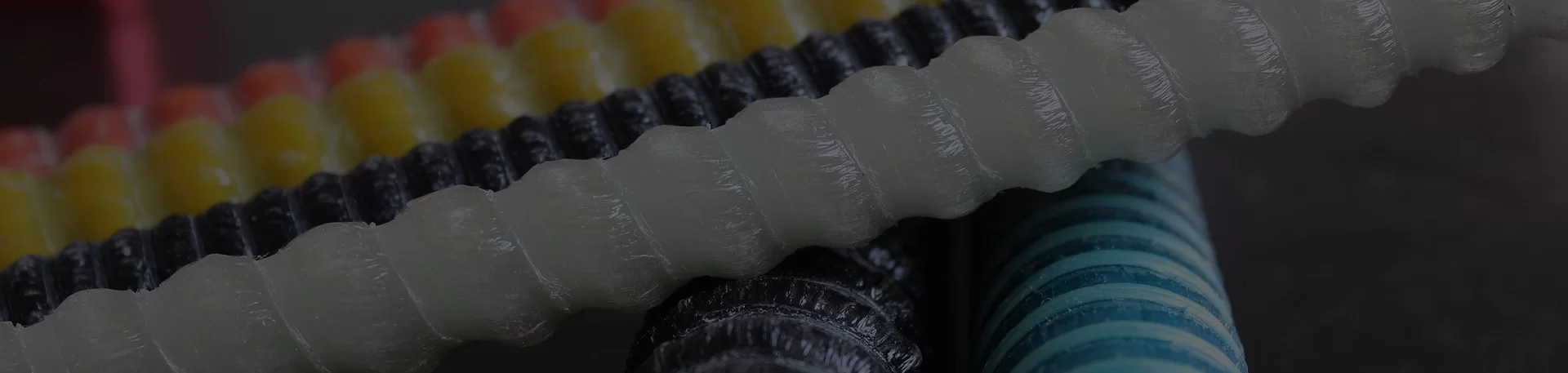
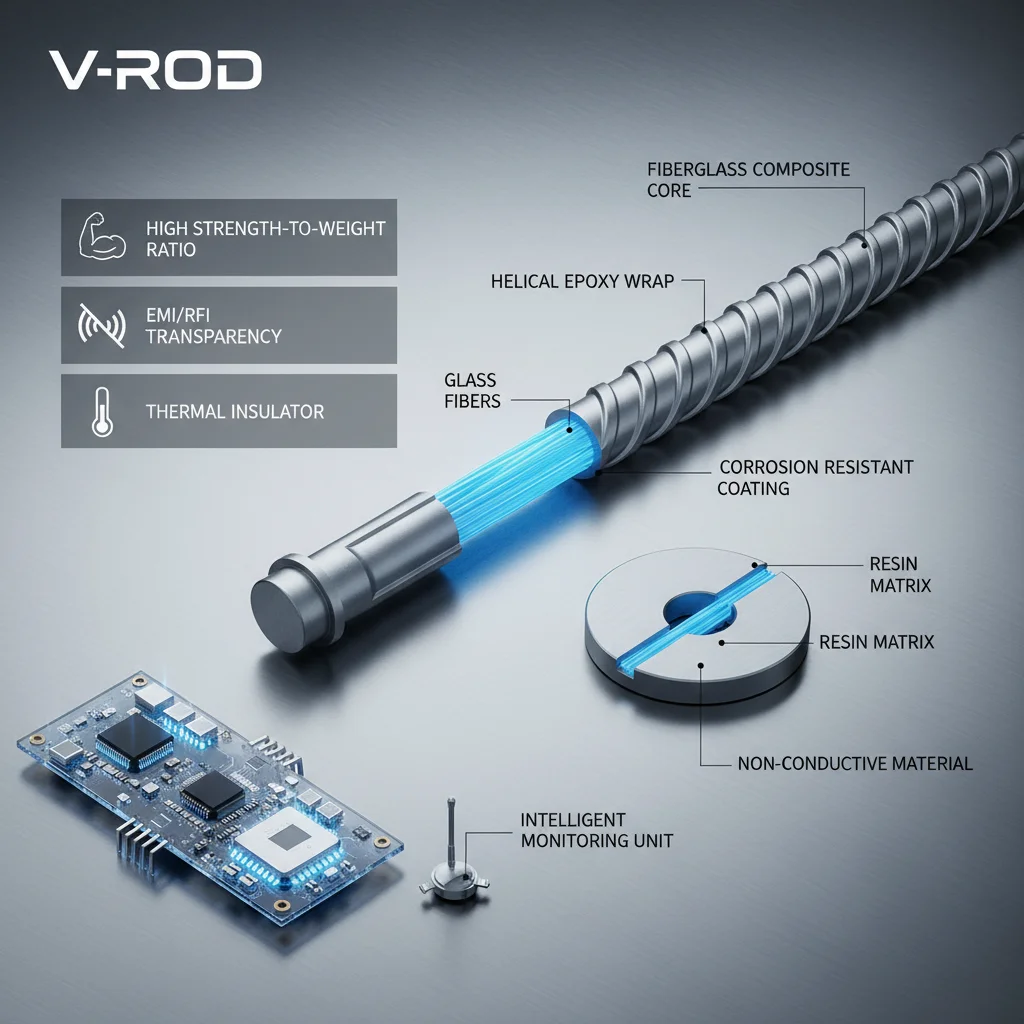
At its core, concrete fiberglass rebar is a composite material consisting of high-strength glass fibers embedded in a polymer resin matrix. Unlike steel, which relies on a protective oxide layer or coating to prevent rust, GFRP (Glass Fiber Reinforced Polymer) is inherently inert. This means it does not react with oxygen or moisture, making it an ideal reinforcement for concrete slabs, beams, and pillars in humid or saline environments.
Beyond its chemical composition, this material is designed to handle immense tensile loads. While concrete is exceptionally strong in compression, it is weak in tension; the addition of concrete fiberglass rebar provides the necessary tensile strength to prevent cracking and collapse. This synergy between the compressive strength of the concrete and the tensile resilience of the fiberglass creates a structural hybrid capable of supporting modern architectural ambitions.
The connection to humanitarian and industrial needs is evident in the push for "100-year infrastructure." By implementing concrete fiberglass rebar, governments can reduce the economic burden of infrastructure decay. This is particularly vital in developing nations where limited budgets make the high cost of steel maintenance prohibitive, allowing for the construction of longer-lasting schools, hospitals, and transport networks.
Core Components and Performance Factors
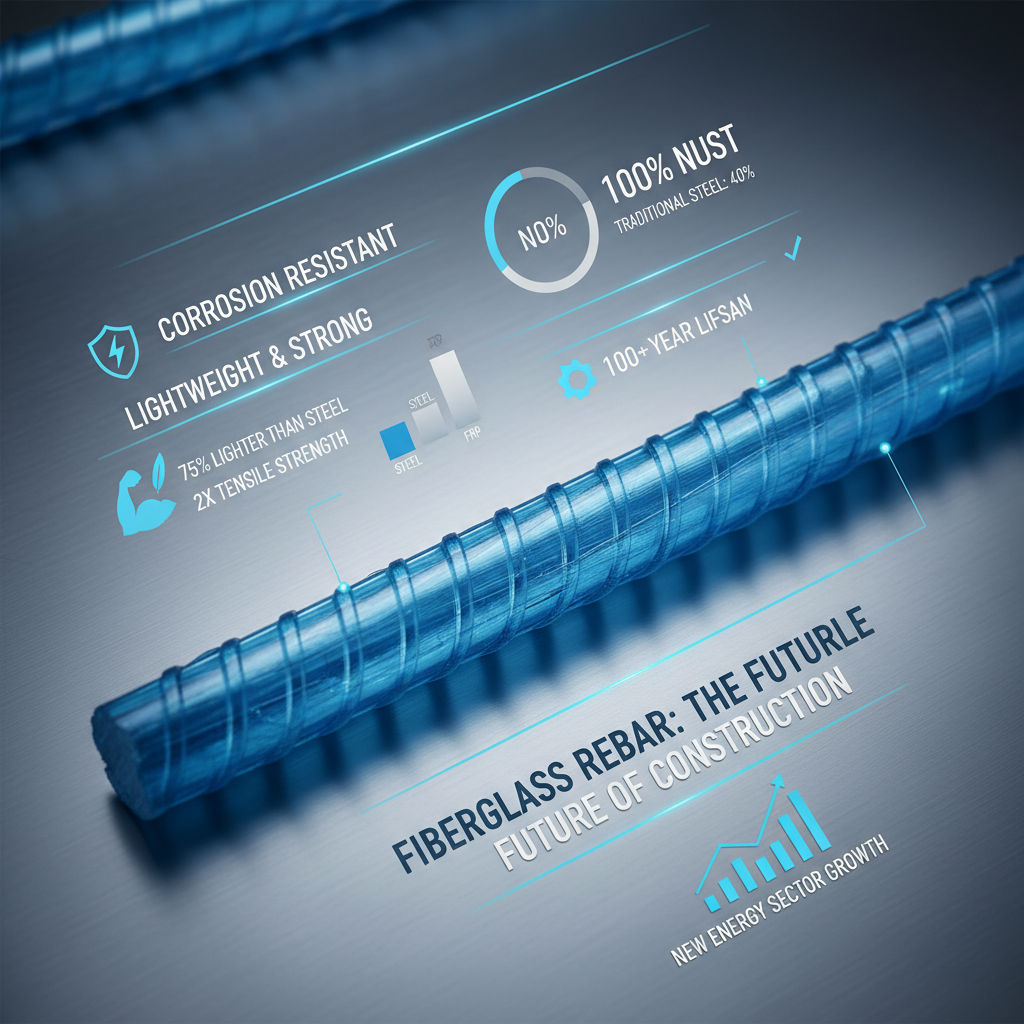
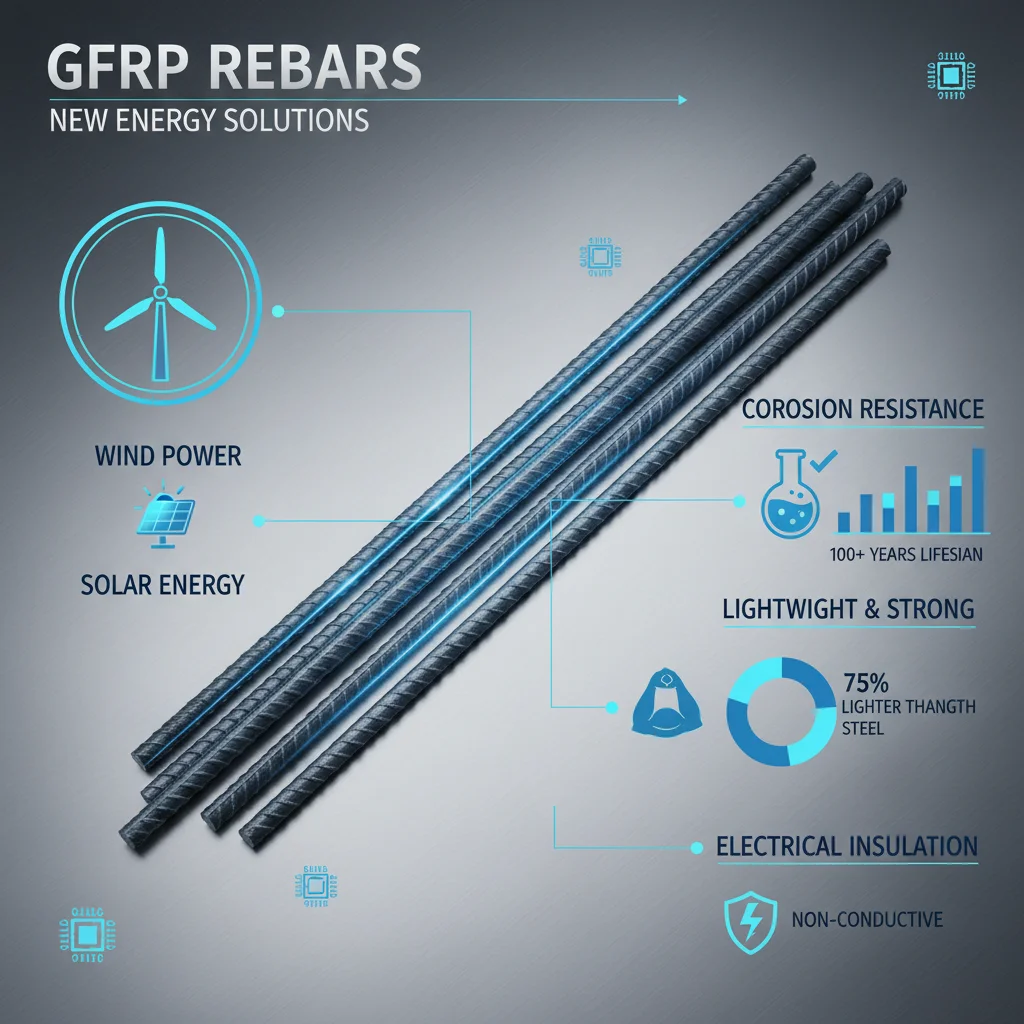
The efficacy of concrete fiberglass rebar depends on several key performance factors, chief among them being corrosion resistance. Because the polymer matrix seals the glass fibers from the surrounding environment, the rebar is impervious to road salts and seawater, which typically destroy steel reinforcements from the inside out.
Another critical aspect is the strength-to-weight ratio. concrete fiberglass rebar is approximately one-fourth the weight of steel while offering equal or superior tensile strength. This drastically reduces transportation costs and allows for faster, safer installation on-site, as workers can handle the materials with less heavy machinery.
Thermal expansion and electrical neutrality are also vital. The coefficient of thermal expansion for concrete fiberglass rebar is much closer to that of concrete than steel is, reducing internal stresses during temperature fluctuations. Furthermore, its non-conductive nature makes it the only viable choice for MRI rooms, power plants, and electronic facilities where electromagnetic interference must be avoided.
Comparative Efficiency and Material Strength
When comparing the operational efficiency of various reinforcement methods, concrete fiberglass rebar consistently outperforms traditional materials in specific environments. The elimination of the "concrete cover" requirement—the thick layer of concrete needed to protect steel from rust—allows for thinner, more lightweight structural elements without sacrificing safety.
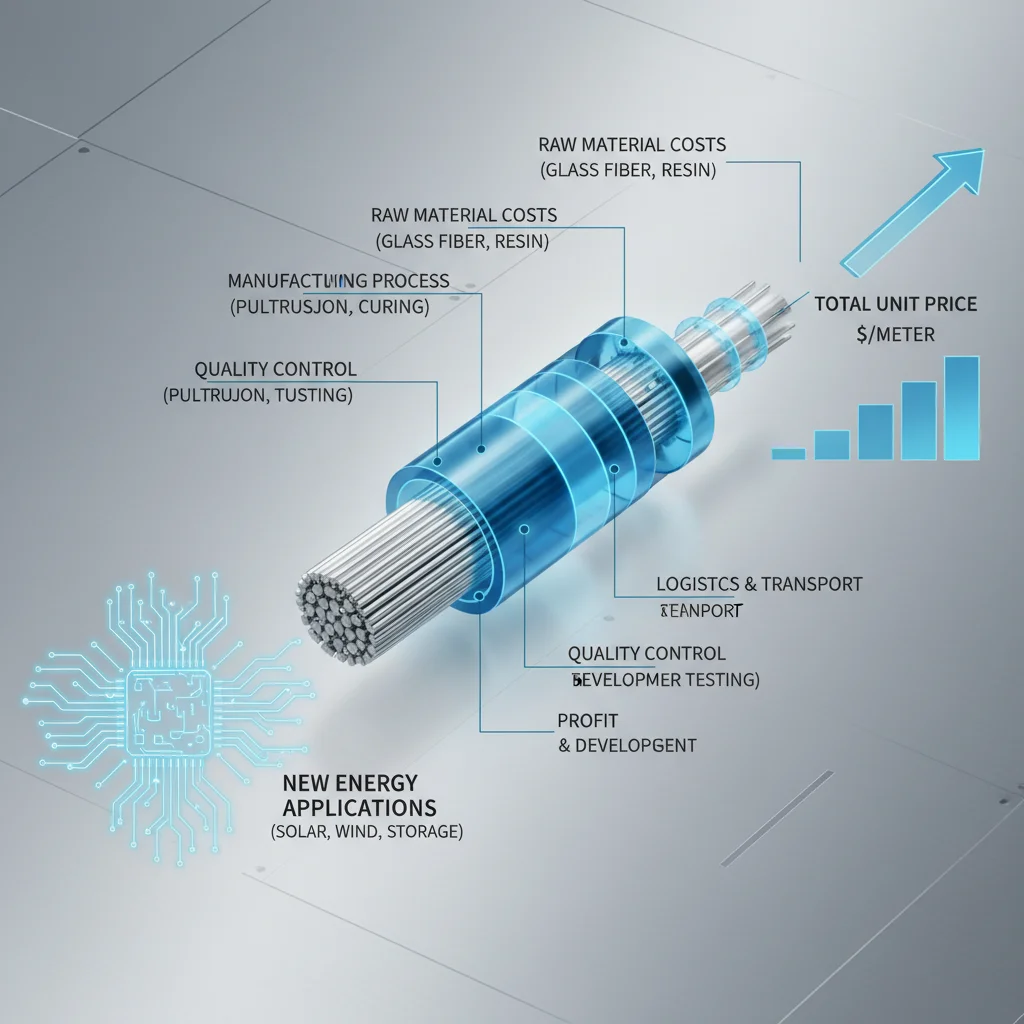
The logistics of implementing GFRP solutions often result in a lower total cost of ownership. While the initial material price may vary, the reduction in labor during installation and the complete removal of future corrosion-related repairs provide a massive financial advantage over the structure's lifespan.
Performance Analysis of Concrete Fiberglass Rebar Variations
Global Applications and Strategic Use Cases
The real-world application of concrete fiberglass rebar is most evident in extreme environments. In coastal regions of North America and Europe, it is increasingly used for bridge decks and seawalls where saltwater spray would typically cause steel to expand and spall the concrete within a few years. Similarly, in the Middle East, the high salinity of the soil makes GFRP an essential component for underground foundations.
Beyond infrastructure, specialized industries utilize this material for its electromagnetic transparency. In medical facility construction, specifically for MRI suites, concrete fiberglass rebar is mandatory to prevent the metal from distorting the magnetic fields required for diagnostic imaging. This demonstrates how the material solves both a structural problem and a technical functional requirement.
Long-Term Value and Sustainability Impact
The long-term value of concrete fiberglass rebar extends far beyond simple durability; it is a pillar of sustainable development. Traditional steel production is incredibly energy-intensive and carbon-heavy. By reducing the frequency of total structure replacements and decreasing the volume of concrete required for protective cover, GFRP significantly lowers the overall carbon footprint of the built environment.
From an emotional and social perspective, the use of these materials represents a commitment to safety and reliability. Knowing that a bridge or a tunnel is reinforced with materials that cannot rust provides a level of psychological trust for the public. It transforms infrastructure from a decaying liability into a permanent asset that protects the dignity and safety of the communities it serves.
Economically, the shift toward concrete fiberglass rebar encourages innovation in the supply chain. As adoption grows, the cost of production drops, making high-performance composites accessible to small-scale developers and NGO-led housing projects in disaster-prone areas, where speed of construction and extreme durability are non-negotiable.
Future Innovations in Composite Reinforcement
The future of concrete fiberglass rebar is leaning toward "smart reinforcement." Researchers are currently integrating fiber-optic sensors directly into the composite bars, allowing the rebar to act as a nervous system for the structure. This enables real-time monitoring of strain and stress, alerting engineers to potential issues long before they become visible cracks.
Furthermore, the integration of recycled polymers into the resin matrix is pushing the material toward a circular economy. By utilizing post-industrial plastics to bind the glass fibers, the industry is reducing its reliance on virgin petrochemicals, making concrete fiberglass rebar an even greener choice for LEED-certified buildings and green energy projects.
As automation and 3D concrete printing evolve, GFRP is being adapted for additive manufacturing. The ability to print complex, curved reinforcement paths using flexible fiberglass composites will unlock architectural forms that were previously impossible with rigid steel bars, merging artistic vision with industrial strength.
Technical Comparison of Concrete Fiberglass Rebar Across Various Environmental Grades
| Material Grade |
Corrosion Resistance |
Tensile Strength (MPa) |
Life Cycle Value |
| Standard GFRP Rebar |
Excellent |
600 - 1000 |
High |
| High-Modulus GFRP |
Exceptional |
1100 - 1500 |
Very High |
| Basalt-Fiber Hybrid |
Extreme |
1000 - 1200 |
Very High |
| Coated Steel (Ref) |
Moderate |
400 - 600 |
Low |
| Carbon Fiber Composite |
Absolute |
2000+ |
Premium |
| Galvanized Steel (Ref) |
Fair |
400 - 500 |
Moderate |
FAQS
In terms of tensile strength, concrete fiberglass rebar often exceeds the strength of traditional steel. However, it has a different modulus of elasticity, meaning it is more flexible. For most structural applications, this is an advantage, but it requires engineers to adjust their design calculations to account for the different deflection characteristics compared to steel.
No, it does not. Unlike steel, which oxidizes and expands—causing the surrounding concrete to crack—concrete fiberglass rebar is non-metallic and completely corrosion-resistant. This makes it the gold standard for docks, piers, and coastal barriers where chloride exposure is constant.
Unlike steel, concrete fiberglass rebar cannot be bent cold on-site. All bends and hooks must be manufactured at the factory during the pultrusion process. This ensures the integrity of the glass fibers is maintained, as bending the cured composite would cause micro-fractures and weaken the bar.
While the upfront cost per linear foot may be slightly higher in some markets, the total project cost is often lower. You save on transportation due to the light weight, reduce the amount of concrete needed for cover, and virtually eliminate future maintenance and repair costs, leading to a much higher ROI over the structure's life.
GFRP does not burn, but the polymer resin can soften at very high temperatures. However, when embedded in concrete, the concrete itself acts as a powerful thermal insulator, protecting the concrete fiberglass rebar from reaching critical temperatures during most fire scenarios, maintaining structural stability.
Manufacturers use specialized surface treatments, such as sand-coating or ribbed profiles, to create a strong mechanical bond between the concrete fiberglass rebar and the cement matrix. These textures ensure that load transfer occurs efficiently, preventing slippage and ensuring the composite works in harmony with the concrete.
Conclusion
The transition from traditional steel to concrete fiberglass rebar marks a pivotal moment in the history of construction. By addressing the systemic failure of corrosion and leveraging a superior strength-to-weight ratio, GFRP composites provide a pathway to infrastructure that is not only more durable but fundamentally more sustainable. The convergence of chemical inertness, mechanical strength, and electromagnetic neutrality makes it an indispensable tool for the modern engineer.
Looking forward, the integration of smart sensors and green resins will further elevate the role of concrete fiberglass rebar in our cities. We encourage developers and architects to embrace these composite solutions to reduce long-term liabilities and build a resilient legacy. To explore high-performance reinforcement options for your next project, visit our website: www.hbztcomposite.com.