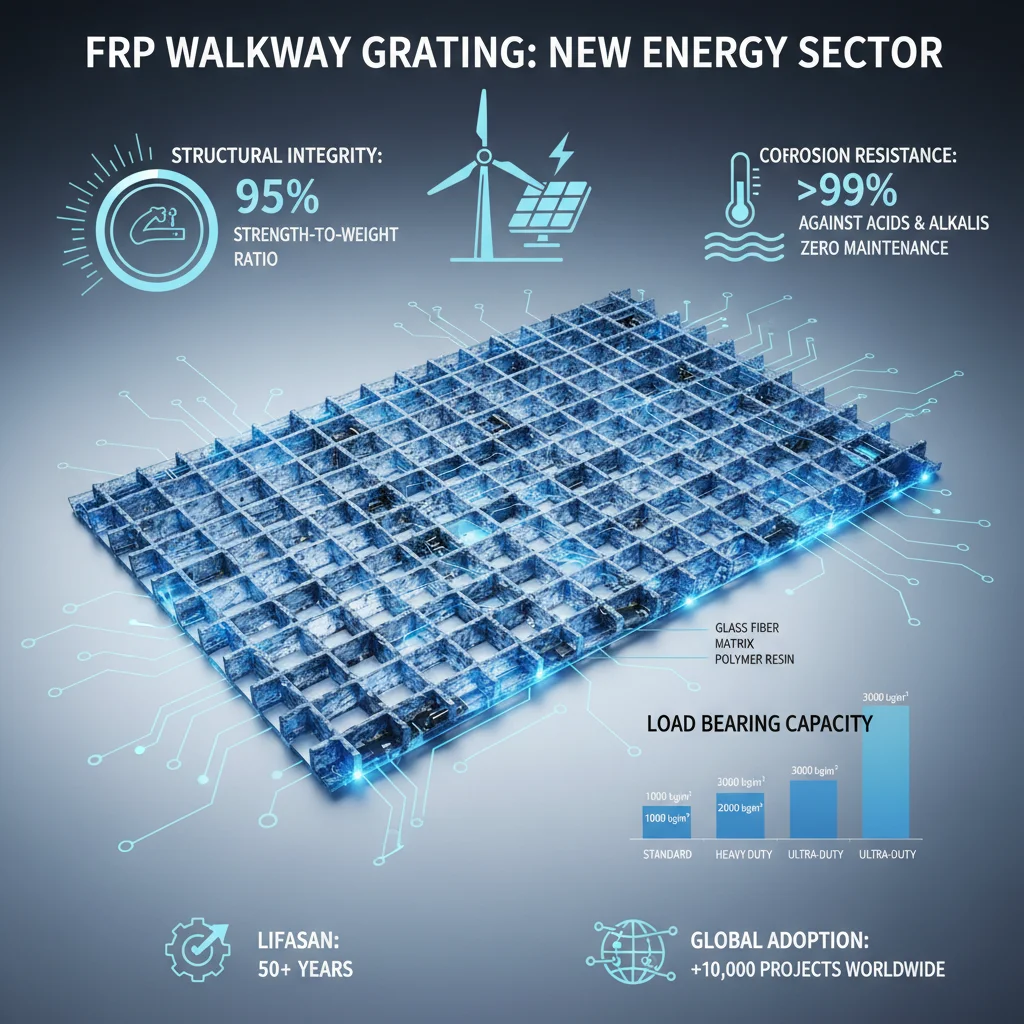
The construction industry is currently witnessing a paradigm shift toward sustainable and corrosion-resistant materials, with gfrp rebars emerging as a leading alternative to traditional steel reinforcement. As urban infrastructure faces increasingly harsh environmental conditions, the need for materials that can withstand chloride penetration and oxidation has never been more critical.
Understanding the technical superiority of glass fiber reinforced polymer (GFRP) bars allows engineers to significantly extend the lifecycle of concrete structures while reducing long-term maintenance costs. By leveraging the high tensile strength and lightweight nature of these composites, the industry is moving toward a more resilient form of architecture.
Beyond mere technical specs, the adoption of gfrp rebars represents a commitment to green building practices. This guide explores the global context, material properties, and practical applications that make these reinforcements a cornerstone of modern civil engineering.
The Global Evolution of GFRP Rebars
Historically, reinforced concrete has relied almost exclusively on steel. However, the global cost of corrosion—estimated by various industry reports to be billions of dollars annually—has forced a search for non-corrosive alternatives. The rise of gfrp rebars marks a transition toward materials that are chemically inert and immune to the salt-spray environments common in coastal cities.
From the bridge expansions in North America to the maritime defenses in Asia, these composite bars are solving the "concrete cancer" problem. By eliminating the expansion caused by rusting steel, the structural integrity of critical infrastructure is preserved, ensuring safety for millions of users worldwide.
Defining GFRP Rebars in Modern Engineering
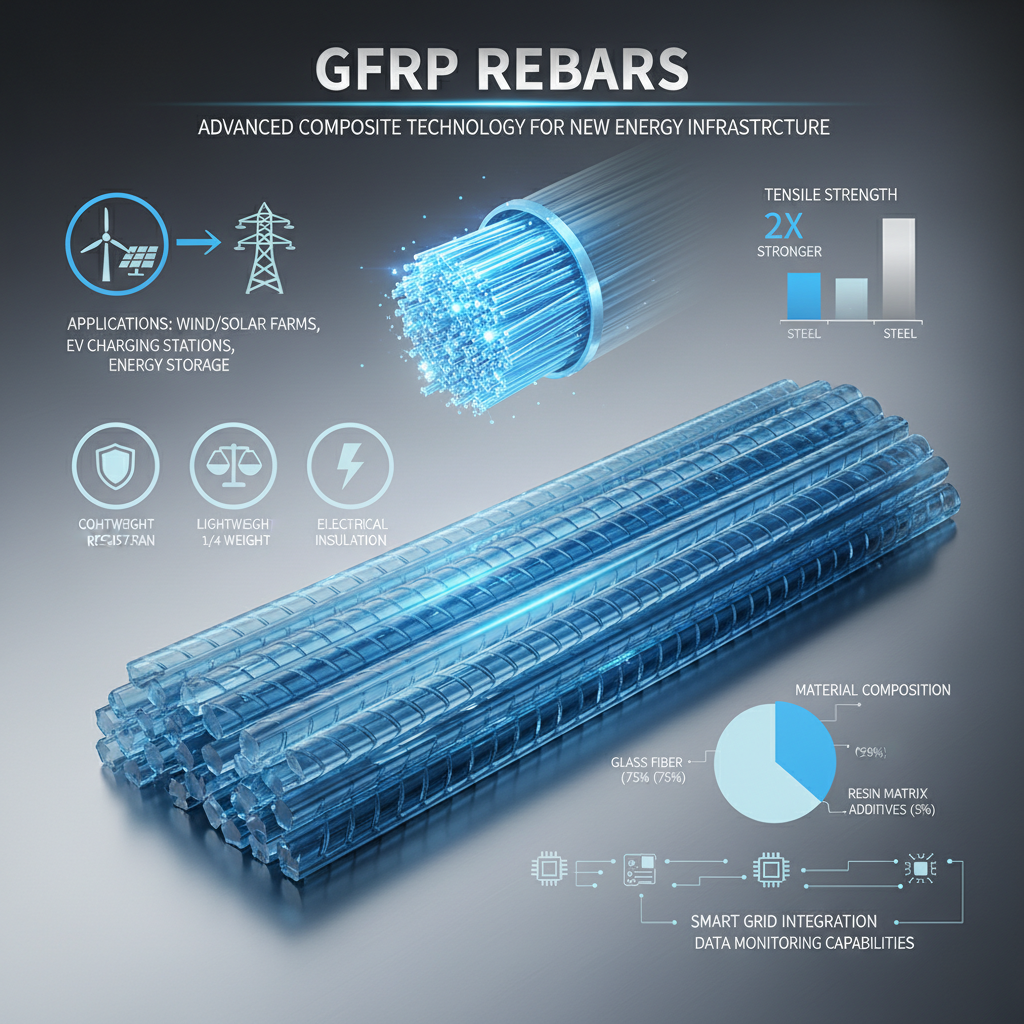
At its simplest level, gfrp rebars are reinforcement bars made from a composite of high-strength glass fibers embedded in a polymer resin matrix. This synergy creates a material that possesses the tensile strength of steel but remains incredibly lightweight and entirely non-conductive.
In the context of modern humanitarian and industrial needs, these rebars are essential for building in remote or extreme environments. Because they are easy to transport and require no specialized heavy lifting equipment compared to steel, they enable faster deployment of critical infrastructure in disaster-prone areas or undeveloped regions.
The integration of these materials into building codes (such as ACI 440 in the US) demonstrates their acceptance as a primary structural element. They are no longer seen as a niche product but as a professional standard for sustainable, long-life construction.
Core Technical Components of Composite Reinforcement
The effectiveness of gfrp rebars stems from the high-quality glass fibers used as the primary load-bearing component. These fibers provide the necessary tensile strength to prevent concrete from cracking under tension, ensuring the structure remains stable under heavy loads.
Crucially, the resin matrix—often vinyl ester or epoxy—acts as the protective binder. This matrix prevents moisture and chemicals from reaching the fibers and ensures an efficient transfer of stress between the glass fibers and the surrounding concrete, which is what gives gfrp rebars their legendary durability.
Finally, the surface treatment (such as sand-coating or ribbed profiles) is what determines the bond strength. Without a proper mechanical interlock, the reinforcement would slip; therefore, precision engineering of the surface is what allows these bars to function as an integral part of the concrete slab.
Performance Benchmarks and Efficiency Factors
When comparing gfrp rebars to traditional materials, the most striking difference is the strength-to-weight ratio. Engineers can achieve the same structural reinforcement as steel while reducing the overall dead load of the building, which in turn allows for more flexible architectural designs.
Additionally, the thermal conductivity of composite rebars is significantly lower than that of metal, reducing the risk of thermal bridging in energy-efficient buildings. This ensures that heat is retained within the structure, contributing to lower carbon footprints and reduced energy costs for the end-user.
Comparative Performance Rating of GFRP Rebar Types
Global Applications and Strategic Use Cases
In real-world scenarios, gfrp rebars are predominantly utilized in "aggressive" environments. For instance, in coastal sea walls and bridge piers, where saltwater would typically destroy steel in a matter of decades, GFRP ensures a service life of over 100 years without significant degradation.
Beyond maritime use, these reinforcements are ideal for magnetic resonance imaging (MRI) rooms in hospitals and airport runways. Since GFRP is non-magnetic and non-conductive, it does not interfere with sensitive medical imaging equipment or radar systems, providing a functional advantage that steel simply cannot match.
Long-term Economic and Environmental Value
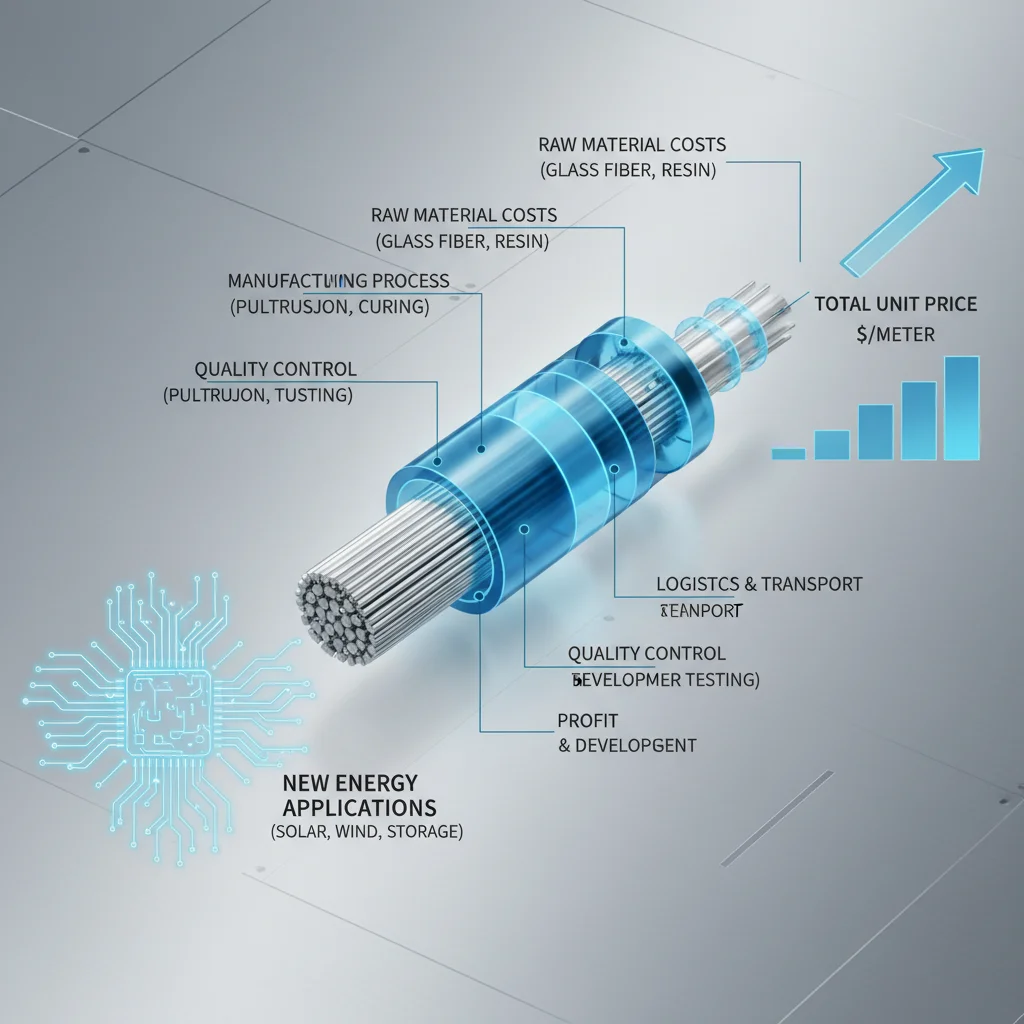
From a financial perspective, while the initial procurement cost of gfrp rebars may be higher than black steel, the Life Cycle Cost (LCC) is significantly lower. The elimination of the need for expensive epoxy coatings or cathodic protection systems means that the total cost of ownership drops over the structure's lifespan.
Environmentally, the production of composites is becoming increasingly green. By reducing the frequency of reconstruction and repair—which are carbon-intensive processes—the use of GFRP contributes to a massive reduction in the overall carbon footprint of the construction industry.
There is also a social dimension to this innovation: safety. Structures reinforced with GFRP are less likely to suffer from sudden spalling (concrete breaking off due to internal rust), which protects pedestrians and workers from falling debris in aging urban centers.
Future Innovations and Industry Challenges
The future of gfrp rebars lies in the integration of "smart" materials. We are seeing the development of sensor-embedded rebars that can transmit real-time data on structural stress and strain, allowing for predictive maintenance through IoT (Internet of Things) platforms.
However, challenges remain, particularly regarding the inability to bend these bars on-site. Unlike steel, GFRP must be fabricated to the exact shape during production. This requires more precise planning and BIM (Building Information Modeling) integration to ensure that every piece fits perfectly upon delivery.
To overcome this, industry leaders are investing in automated fabrication and 3D modeling software. As these tools become standard, the adoption rate of GFRP will accelerate, moving from specialized projects to every residential and commercial build.
Comparison of GFRP Rebars vs. Traditional Reinforcement Factors
| Material Type |
Corrosion Resistance |
Weight-to-Strength |
Lifecycle Cost |
| Standard GFRP Rebar |
Excellent (10/10) |
High (9/10) |
Low (Optimized) |
| Carbon Fiber GFRP |
Absolute (10/10) |
Extreme (10/10) |
Medium-High |
| Epoxy Steel Rebar |
Moderate (6/10) |
Moderate (5/10) |
Medium |
| Galvanized Steel |
Fair (5/10) |
Moderate (5/10) |
Medium-High |
| Stainless Steel |
Very High (8/10) |
Moderate (5/10) |
Very High |
| Black Steel |
Poor (2/10) |
Moderate (5/10) |
High (Maintenance) |
FAQS
The primary advantage is total immunity to chloride-induced corrosion. In coastal environments, salt penetrates concrete and causes steel to rust and expand, which leads to cracking. gfrp rebars do not rust, meaning the concrete remains intact, drastically reducing the need for expensive repairs and extending the structure's life.
No, GFRP is a thermoset composite and cannot be bent once it has been cured. All bends and shapes must be specified in the design phase and manufactured at the factory. This requires a more detailed planning process and precise ordering, but it ensures the material's internal fibers remain aligned and strong.
While the initial purchase price may be higher, GFRP is highly cost-effective when considering the long term. For residential projects in high-moisture areas (like basements or pool decks), using gfrp rebars eliminates future corrosion repairs, providing peace of mind and increasing the property's long-term value.
GFRP contributes to sustainability by extending the service life of concrete, which means fewer total buildings need to be demolished and rebuilt—a process that releases massive amounts of CO2. Additionally, its lightweight nature reduces transportation emissions compared to heavy steel shipments.
In terms of tensile strength, GFRP is often superior to steel. However, it behaves differently because it is a linear-elastic material (it does not "yield" like steel). This means engineers must design the structure specifically for GFRP to ensure safety and performance, typically resulting in a lighter but equally strong build.
For extremely high-load structural columns, steel is still often preferred due to its ductility. However, gfrp rebars are perfectly suited for the slabs, balconies, and parking decks of skyscrapers, where corrosion resistance and weight reduction are the highest priorities.
Conclusion
The transition to gfrp rebars represents more than just a material change; it is a strategic upgrade in how we approach the longevity and sustainability of our built environment. By combining exceptional tensile strength with total corrosion resistance and a reduced environmental impact, these composite reinforcements solve the most persistent failures of traditional concrete construction.
As we look toward a future of smarter, greener cities, the integration of GFRP into standard building codes will be essential. We encourage engineers, developers, and architects to embrace these innovative materials to create structures that are not only safer and more durable but also more respectful of our planet's resources. Visit our website for more professional solutions: www.hbztcomposite.com