
News

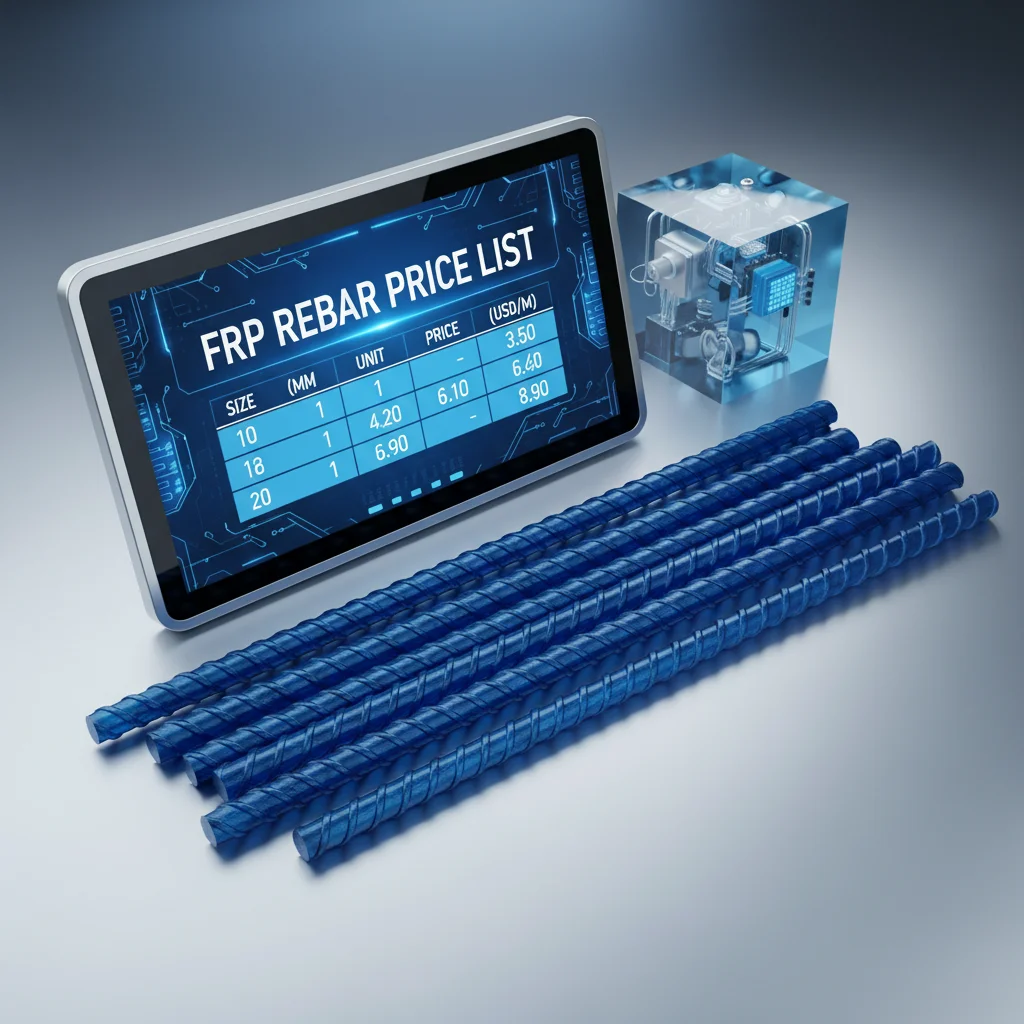
  • Comprehensive Guide to FRP Rebar Price Factors and Market Trends

    March 28, 2026

    Comprehensive Guide to FRP Rebar Price Factors and Market Trends

    Fiber Reinforced Polymer (FRP) rebar is rapidly gaining popularity as a superior alternative to traditional steel rebar in various construction applications. However, navigating the frp rebar price landscape can be complex. This article provides a detailed exploration of the factors influencing FRP rebar costs, current market trends, and how to obtain the best value. We’ll cover the benefits of FRP, its applications, and a breakdown of the pricing structure.
  • Superior Durability and Safety with Walkway FRP Grating Solutions
    March 26, 2026

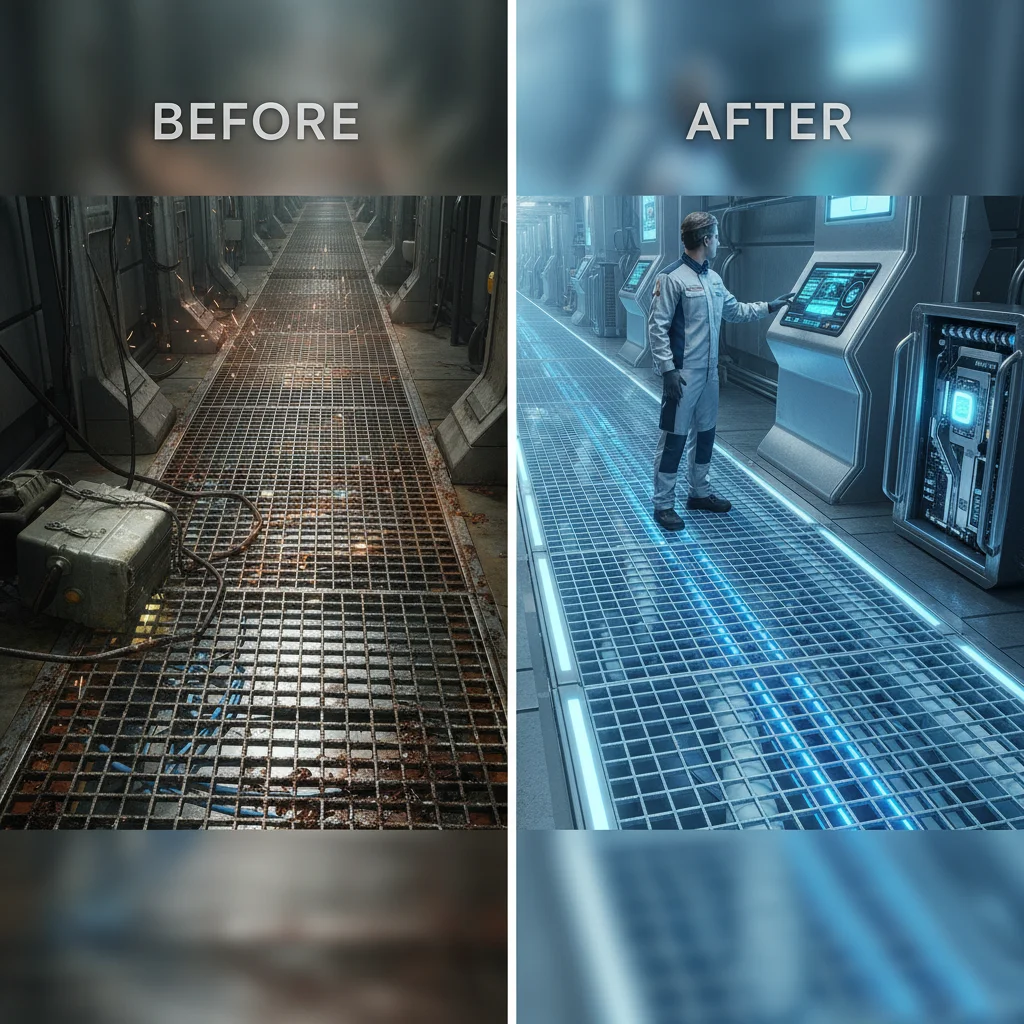
    Superior Durability and Safety with Walkway FRP Grating Solutions

    When designing safe and durable walkways, particularly in industrial or corrosive environments, selecting the right materials is crucial. Walkway FRP grating offers a compelling solution, combining strength, corrosion resistance, and low maintenance. This article delves into the benefits, applications, and considerations for choosing FRP grating for your walkway projects. Ensuring a safe and reliable walkway system is paramount for operational efficiency and employee safety. FRP (Fiber Reinforced Polymer) grating is a composite material made by combining a reinforcing fiber, such as fiberglass, with a resin matrix, typically polyester, vinyl ester, or epoxy. This combination creates a lightweight yet incredibly strong material. For walkways, FRP grating offers significant advantages over traditional materials like steel and aluminum. It's non-conductive, meaning it doesn't pose an electrical hazard, and it’s incredibly resistant to corrosion from harsh chemicals, saltwater, and other damaging substances. Choosing the right resin type is crucial depending on the specific environment – vinyl ester is often preferred for highly corrosive applications.
  • Comprehensive Guide to Durable Fibreglass Walkway Grating Solutions

    March 24, 2026

    Comprehensive Guide to Durable Fibreglass Walkway Grating Solutions

    When designing safe and durable walkways in industrial, marine, or commercial settings, selecting the right grating material is crucial. Fibreglass walkway grating offers a compelling alternative to traditional materials like steel or aluminum. This article will provide an in-depth look at the benefits, applications, and considerations when choosing fibreglass grating, especially when sourcing from a reliable manufacturer like HBZT Composite. Ensuring worker safety and longevity of infrastructure relies on informed material choices. Fibreglass (or fibre-reinforced polymer - FRP) walkway grating is a composite material constructed from glass fibres embedded in a resin matrix, typically polyester, vinyl ester, or epoxy. This construction creates a product that is remarkably strong, lightweight, and resistant to corrosion. Unlike metal gratings, fibreglass doesn't conduct electricity, making it a safer option in potentially hazardous environments. It's commonly used in walkways, platforms, stairs, and trench covers where durability and safety are paramount. HBZT Composite specializes in manufacturing high-quality fibreglass walkway grating, tailored to specific project requirements.
  • Comprehensive Guide to Durable Walkway FRP Solutions for Various Industries

    March 21, 2026

    Comprehensive Guide to Durable Walkway FRP Solutions for Various Industries

    Fiberglass Reinforced Polymer (FRP) walkways are rapidly gaining popularity as a durable, corrosion-resistant, and cost-effective alternative to traditional materials like steel and concrete. These walkways are increasingly utilized in a variety of industries, including chemical processing, wastewater treatment, oil and gas, and marine environments. This article explores the benefits, applications, installation, and maintenance of walkway FRP, providing a detailed overview for engineers, facility managers, and anyone considering FRP solutions. Choosing the right walkway material is crucial for safety, longevity, and minimizing lifecycle costs. FRP walkways are constructed using a composite material consisting of reinforcing fibers (typically fiberglass) embedded in a resin matrix (such as polyester, vinyl ester, or epoxy). This combination delivers exceptional strength, stiffness, and resistance to corrosion. The manufacturing process can involve pultrusion, molding, or hand lay-up, each resulting in slightly different properties and applications.
  • Comprehensive Guide to Fiberglass Reinforcing Bars for Enhanced Construction

    March 19, 2026

    Comprehensive Guide to Fiberglass Reinforcing Bars for Enhanced Construction

    Fiberglass reinforcing bars (GFRP rebar) are increasingly becoming the preferred choice over traditional steel rebar in numerous construction applications. Their non-corrosive nature, high tensile strength, and lightweight properties offer significant advantages. This article will explore the benefits, applications, specifications, and why HBZT Composite's fiberglass reinforcing bars are a reliable solution for your project. Understanding the intricacies of GFRP rebar will help you make an informed decision for enhanced durability and cost-effectiveness. Fiberglass reinforcing bars are composed of glass fibers embedded in a resin matrix, typically vinyl ester or epoxy. This composition provides exceptional tensile strength while remaining significantly lighter than steel. Unlike steel, GFRP rebar doesn't corrode, making it ideal for applications exposed to harsh environments, such as saltwater or de-icing salts. This corrosion resistance drastically reduces long-term maintenance costs and extends the lifespan of structures. Furthermore, GFRP rebar is non-conductive, an important safety feature in certain applications.
  • Comprehensive Guide to Fiberglass Rebar Price and Long Term Benefits

    March 17, 2026

    Comprehensive Guide to Fiberglass Rebar Price and Long Term Benefits

    Fiberglass rebar (GFRP rebar) is rapidly gaining popularity as a superior alternative to traditional steel rebar in various construction applications. Understanding the fiberglass rebar price is crucial for project planning and cost estimation. This article will delve into the factors influencing the price of fiberglass rebar, compare it to steel rebar, explore its applications, and provide insights for making informed purchasing decisions. We'll also cover typical price ranges and the benefits of choosing GFRP rebar for your projects. Several factors contribute to the price of fiberglass rebar. The primary driver is the cost of raw materials, including fiberglass rovings, resins, and sand. Fluctuations in these material costs directly impact the final price. The diameter and length of the rebar also play a significant role; larger diameters and longer lengths typically command higher prices. Manufacturing processes, quality control measures, and production volume also contribute. Finally, transportation costs and supplier margins will affect the overall price.

Looking for Reliable Frp Solutions?

Share your project details and our team will assist you shortly.

If you are interested in our products, you can choose to leave your information here, and we will be in touch with you shortly.