

News

  • Comprehensive Guide to Fiberglass Reinforcing Bars for Enhanced Construction

    March 19, 2026

    Comprehensive Guide to Fiberglass Reinforcing Bars for Enhanced Construction

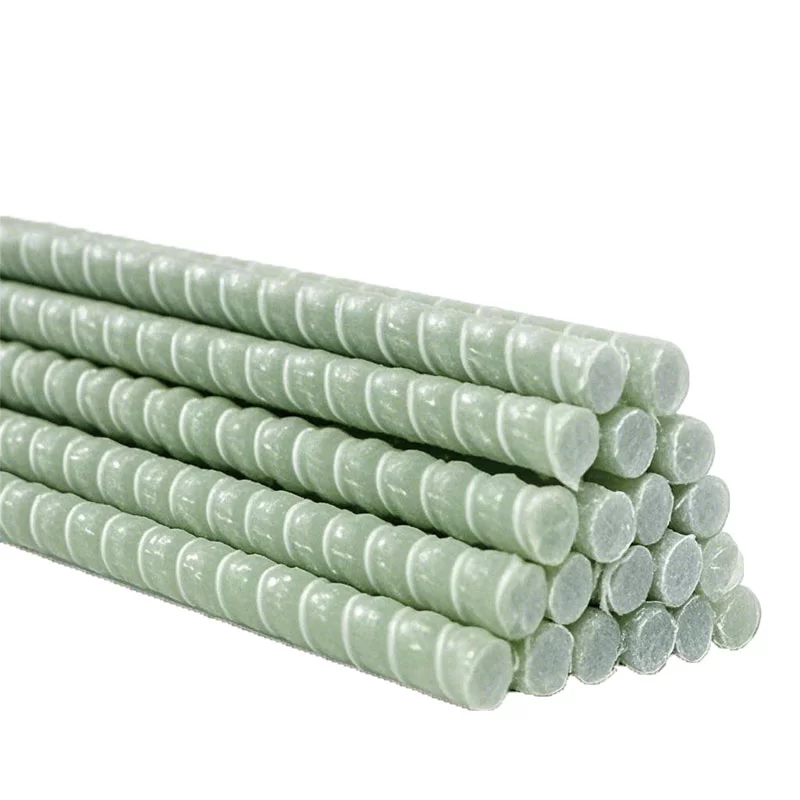
    Fiberglass reinforcing bars (GFRP rebar) are increasingly becoming the preferred choice over traditional steel rebar in numerous construction applications. Their non-corrosive nature, high tensile strength, and lightweight properties offer significant advantages. This article will explore the benefits, applications, specifications, and why HBZT Composite's fiberglass reinforcing bars are a reliable solution for your project. Understanding the intricacies of GFRP rebar will help you make an informed decision for enhanced durability and cost-effectiveness. Fiberglass reinforcing bars are composed of glass fibers embedded in a resin matrix, typically vinyl ester or epoxy. This composition provides exceptional tensile strength while remaining significantly lighter than steel. Unlike steel, GFRP rebar doesn't corrode, making it ideal for applications exposed to harsh environments, such as saltwater or de-icing salts. This corrosion resistance drastically reduces long-term maintenance costs and extends the lifespan of structures. Furthermore, GFRP rebar is non-conductive, an important safety feature in certain applications.
  • Comprehensive Guide to Fiberglass Rebar Price and Long Term Benefits

    March 17, 2026

    Comprehensive Guide to Fiberglass Rebar Price and Long Term Benefits

    Fiberglass rebar (GFRP rebar) is rapidly gaining popularity as a superior alternative to traditional steel rebar in various construction applications. Understanding the fiberglass rebar price is crucial for project planning and cost estimation. This article will delve into the factors influencing the price of fiberglass rebar, compare it to steel rebar, explore its applications, and provide insights for making informed purchasing decisions. We'll also cover typical price ranges and the benefits of choosing GFRP rebar for your projects. Several factors contribute to the price of fiberglass rebar. The primary driver is the cost of raw materials, including fiberglass rovings, resins, and sand. Fluctuations in these material costs directly impact the final price. The diameter and length of the rebar also play a significant role; larger diameters and longer lengths typically command higher prices. Manufacturing processes, quality control measures, and production volume also contribute. Finally, transportation costs and supplier margins will affect the overall price.
  • Comprehensive Guide to GFRP Rebar Price Factors and Long Term Benefits

    March 14, 2026

    Comprehensive Guide to GFRP Rebar Price Factors and Long Term Benefits
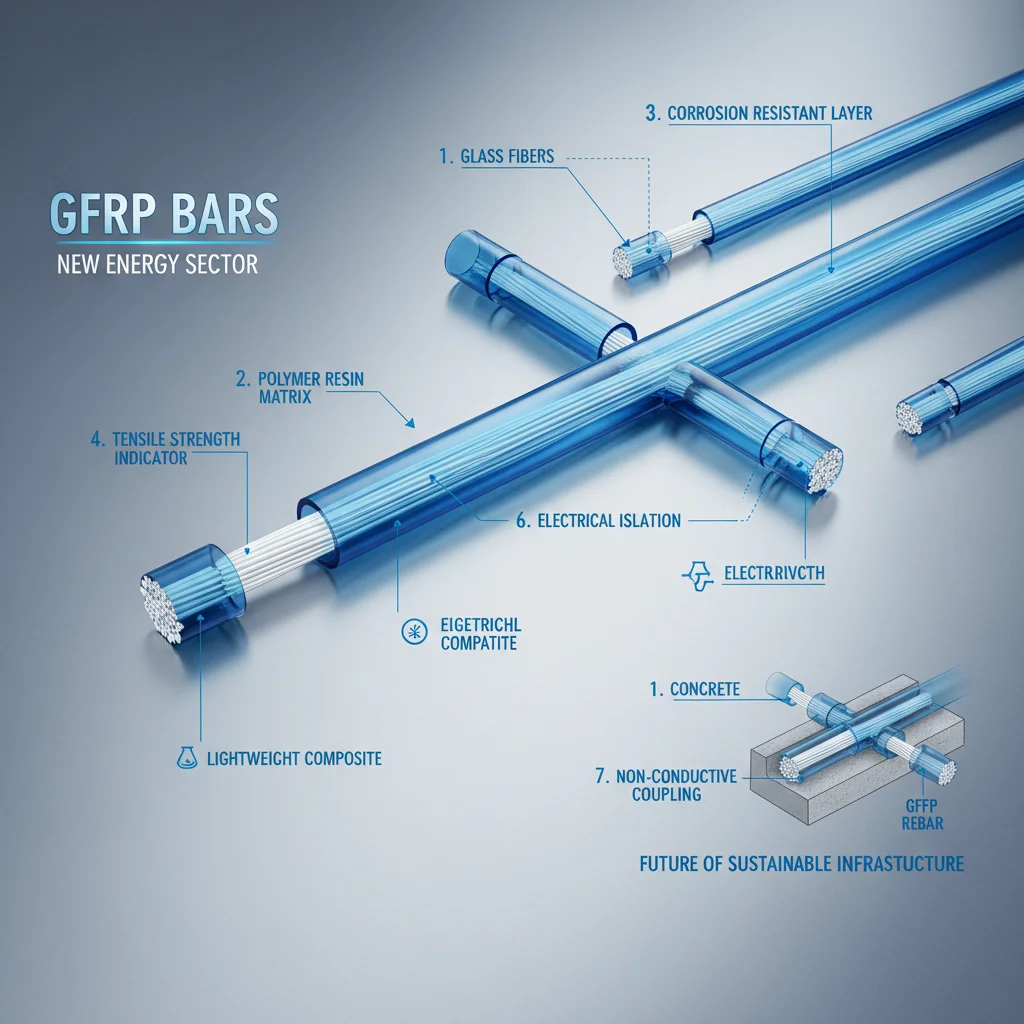
    Glass Fiber Reinforced Polymer (GFRP) rebar is rapidly gaining recognition as a superior alternative to traditional steel rebar in various construction applications. This shift is driven by GFRP’s exceptional properties, including its corrosion resistance, lightweight nature, and high tensile strength. A critical factor for project planning is understanding the GFRP rebar price, which is influenced by factors such as diameter, length, quantity, and manufacturer. This article will provide a comprehensive overview of GFRP rebar pricing, its influencing factors, and the long-term cost benefits it offers. Several factors contribute to the final price of GFRP rebar. These include the raw material costs (glass fibers and resin), manufacturing processes, diameter and length of the rebar, and the order quantity. Larger orders typically qualify for volume discounts. Geographical location and shipping costs also play a significant role. Furthermore, the specific grade and quality of the GFRP rebar, as determined by industry standards, impacts its price.
  • Comprehensive Guide to GFRP Bars for Modern Construction Projects

    March 12, 2026

    Comprehensive Guide to GFRP Bars for Modern Construction Projects

    Glass Fiber Reinforced Polymer (GFRP) bars are rapidly becoming a preferred alternative to traditional steel reinforcement in concrete construction. Offering superior corrosion resistance, a high strength-to-weight ratio, and non-conductive properties, GFRP bars are ideal for a wide range of applications, particularly in environments susceptible to corrosion. This article provides a detailed overview of GFRP bars, exploring their benefits, applications, specifications, and why they represent a forward-thinking solution for modern construction projects. Understanding these advantages is crucial for engineers, contractors, and anyone involved in infrastructure development. GFRP bars, also known as fiberglass rebar, are composite materials manufactured by combining glass fibers with a resin matrix, typically polyester, vinyl ester, or epoxy. The glass fibers provide the tensile strength, while the resin binds them together and transfers the load. The manufacturing process commonly involves pultrusion, where the glass fibers are pulled through a resin bath and then shaped and cured.
  • Find Top Fiberglass Rebar Suppliers for Construction Projects

    March 11, 2026

    Find Top Fiberglass Rebar Suppliers for Construction Projects

    Fiberglass rebar (Fiber Reinforced Polymer rebar, or FRP rebar) is rapidly gaining prominence in the construction industry as a superior alternative to traditional steel reinforcement. Its non-corrosive properties, high tensile strength, and lightweight nature make it ideal for a variety of applications, particularly in environments susceptible to corrosion. However, sourcing high-quality fiberglass rebar requires careful selection of a reliable supplier. This article will guide you through the key considerations when choosing fiberglass rebar suppliers, outlining crucial factors like product quality, manufacturing standards, and logistical capabilities. We will also highlight why HBZT Composite stands out as a trusted partner for your FRP rebar needs.
  • Comprehensive Guide to Durable frp walkway grating for Industrial Applications

    March 10, 2026

    Comprehensive Guide to Durable frp walkway grating for Industrial Applications

    Fiber Reinforced Polymer (FRP) walkway grating is a versatile and increasingly popular alternative to traditional materials like steel and aluminum.

Looking for Reliable Frp Solutions?

Share your project details and our team will assist you shortly.

If you are interested in our products, you can choose to leave your information here, and we will be in touch with you shortly.