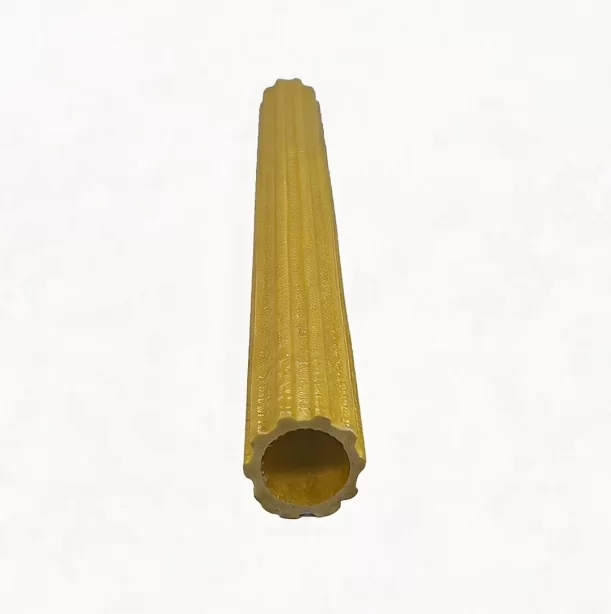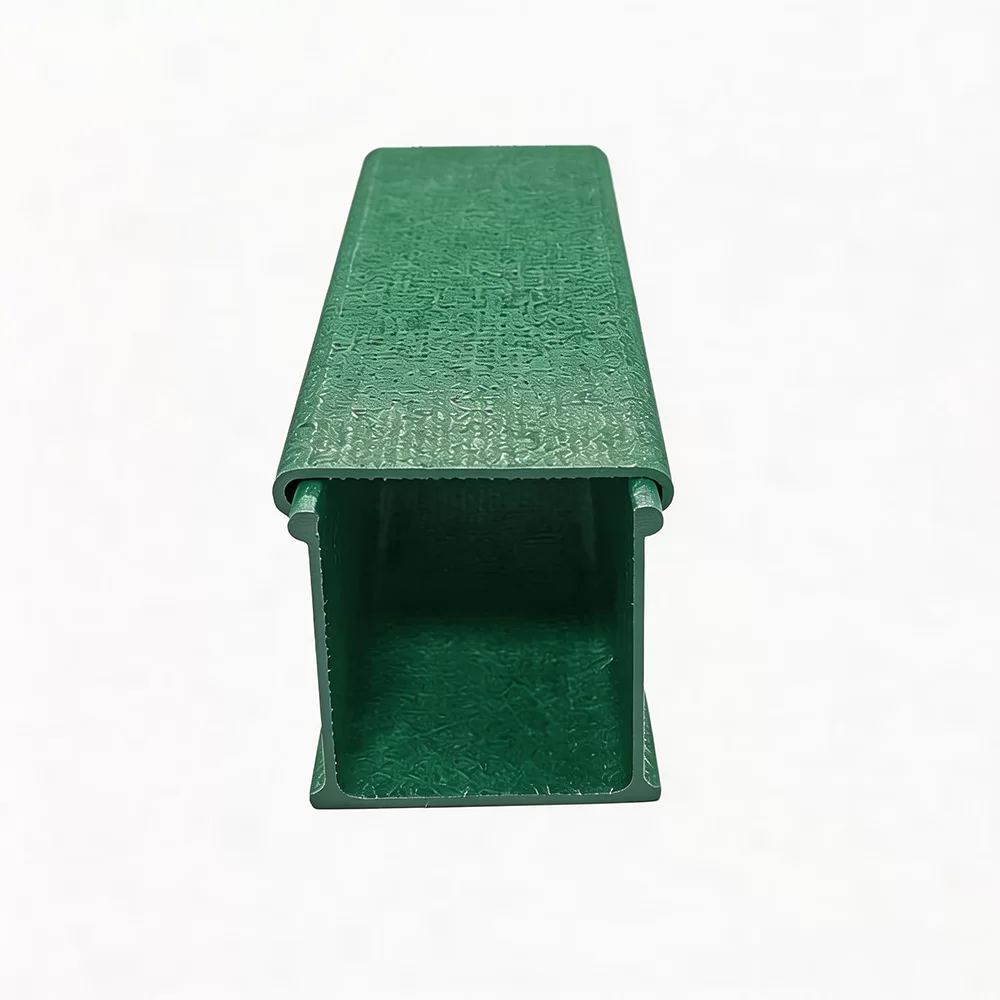
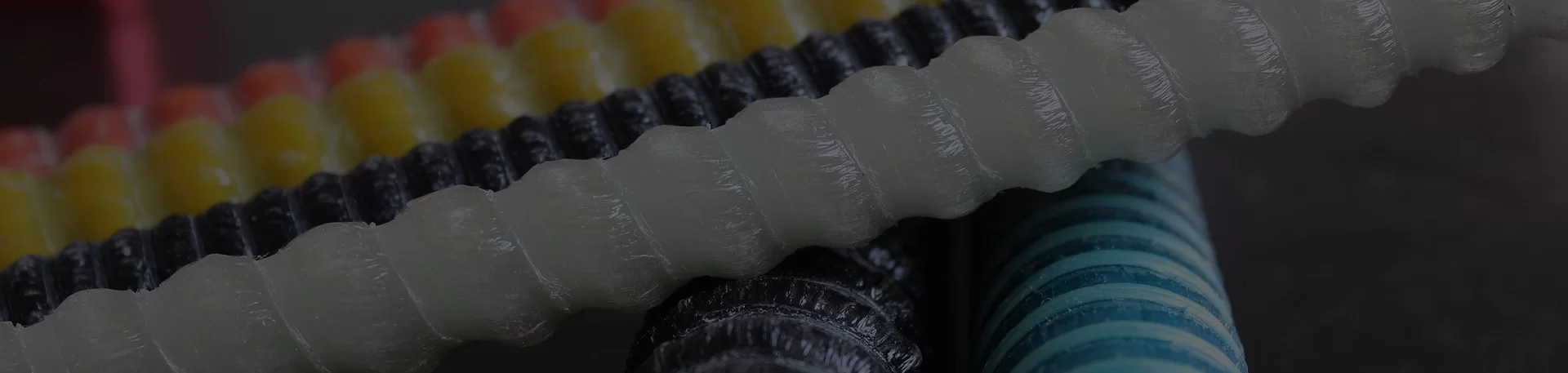
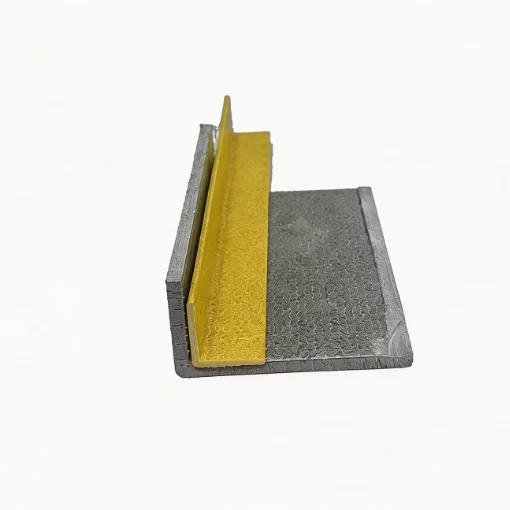
Fiberglass angle bar, also known as FRP angle bar or composite angle profile, is a modern engineering solution designed to provide superior strength, long-term durability, and exceptional resistance to harsh environments. Crafted using high-quality glass fibers embedded in a thermosetting resin matrix, these angle bars are produced through a precision pultrusion process that ensures consistent dimensions, reliable performance, and a smooth, resin-rich surface finish.
Unlike conventional metal angle bars, fiberglass angle bar combines the tensile strength of glass fibers with the protective and binding properties of resins such as polyester, vinyl ester, or epoxy. This combination results in a structural profile that maintains its mechanical integrity even under prolonged exposure to moisture, chemicals, or extreme temperatures. The pultrusion manufacturing process allows for precise alignment of fibers along the length of the bar, maximizing load-bearing capacity and ensuring uniform performance. Additional surface veils or gel coats can be applied to enhance UV resistance, prevent surface degradation, and provide a clean, professional appearance suitable for both industrial and architectural applications.
Fiberglass angle bars are engineered to deliver a balance of strength, flexibility, and corrosion resistance that traditional metals cannot match. They are lightweight, yet capable of handling significant structural loads, making them easier to transport and install without sacrificing stability. The unique composition ensures that the bar resists corrosion from water, salt, and most chemical agents, significantly extending its service life in environments where steel would rust or deteriorate. Furthermore, the inherent non-conductive nature of fiberglass angle bar adds a safety advantage in electrical installations or areas with potential exposure to electricity, reducing the risk of conductive hazards.
Another critical aspect of fiberglass angle bars is their dimensional stability. Unlike metals, which may warp, bend, or expand under thermal stress, fiberglass angle bars retain their shape and strength under a wide range of temperatures. This stability makes them particularly suitable for outdoor structures, industrial plants, and coastal installations where thermal fluctuations and environmental exposure are significant concerns. The surface of fiberglass angle bars is smooth, yet strong, allowing for easy attachment, integration with other materials, or coating with additional protective layers if required.
The shift from steel and aluminum to fiberglass angle bars is driven by the many advantages they offer. One of the most notable benefits is their resistance to corrosion and chemical damage. While metal profiles require regular maintenance, painting, or galvanizing to prevent rust, fiberglass angle bars remain largely maintenance-free, saving time, labor, and long-term costs. They are also resistant to moisture absorption, which prevents swelling, cracking, or weakening over time, a common issue with untreated wood or low-grade metals.
Additionally, fiberglass angle bars provide superior strength-to-weight ratios. Their light weight simplifies handling, reduces installation labor, and lowers transportation costs, without compromising structural integrity. Their non-metallic composition eliminates problems such as galvanic corrosion when connected to other metals, making them a safer and more durable choice in multi-material constructions. Fiberglass angle bars also offer flexibility in design, as they can be custom-sized, cut, or drilled on-site to fit specific project requirements without specialized equipment.
Fiberglass angle bars are widely used across multiple sectors due to their durability and adaptability. In the construction industry, fiberglass angle bars serve as structural supports, framing elements, and reinforcements for bridges, platforms, staircases, and roof structures. Their corrosion resistance makes them ideal for chemical plants, water treatment facilities, and marine environments, where traditional steel would quickly deteriorate. In industrial settings, fiberglass angle bars are used to construct racks, protective barriers, and equipment supports, often replacing steel to avoid rust and reduce maintenance costs.
Architectural applications also benefit from fiberglass angle bars. Their smooth finish and ability to withstand outdoor exposure make them suitable for railing systems, decorative frames, and outdoor furniture components. Electrical and telecommunication industries use fiberglass angle bars in cable trays, support brackets, and non-conductive mounting structures, leveraging their electrical insulation properties for safety and reliability. Customizable dimensions, color options, and coatings further expand their applicability, allowing designers and engineers to incorporate fiberglass angle bars into a wide range of projects without compromising aesthetics or performance.
Investing in fiberglass angle bars offers long-term economic and environmental benefits. Their resistance to corrosion, chemicals, and UV exposure ensures minimal replacement frequency, reducing material waste and lifecycle costs. Unlike metals that require energy-intensive extraction and processing, fiberglass angle bars are manufactured with efficient pultrusion techniques, generating minimal material waste and offering the possibility of recycling in some applications. Their durability and low maintenance contribute to sustainable infrastructure development, aligning with modern engineering goals of longevity, reliability, and reduced environmental impact.
Fiberglass angle bar represents a versatile, high-performance alternative to traditional metal angles, combining strength, lightweight design, corrosion resistance, and dimensional stability. Its adaptability across industrial, construction, architectural, and electrical applications, along with its long-term durability, makes it an essential material for modern engineering projects. By choosing fiberglass angle bars, engineers, architects, and project managers can achieve safer, more durable, and cost-effective structures while minimizing maintenance and environmental impact. With customizable options, consistent quality, and unmatched performance, fiberglass angle bar is a reliable solution for anyone seeking durable FRP structural components.
Apr. 27, 2026
Benefits of Durable Concrete Fiberglass Rebar for Infrastructure
Apr. 24, 2026
High Strength and Corrosion Resistant glass fibre reinforcement bars
Apr. 23, 2026
Reliable frp walkway manufacturer for Industrial Flooring Solutions
Apr. 22, 2026
Sustainable Construction with High Strength gfrp rebars Guide

Apr. 17, 2026
Advantages and Applications of High Strength Glass Rebar
Apr. 16, 2026
The Ultimate Guide to GFRP Rebars for Modern Construction
Looking for Reliable Frp Solutions?