Mar. 19, 2026
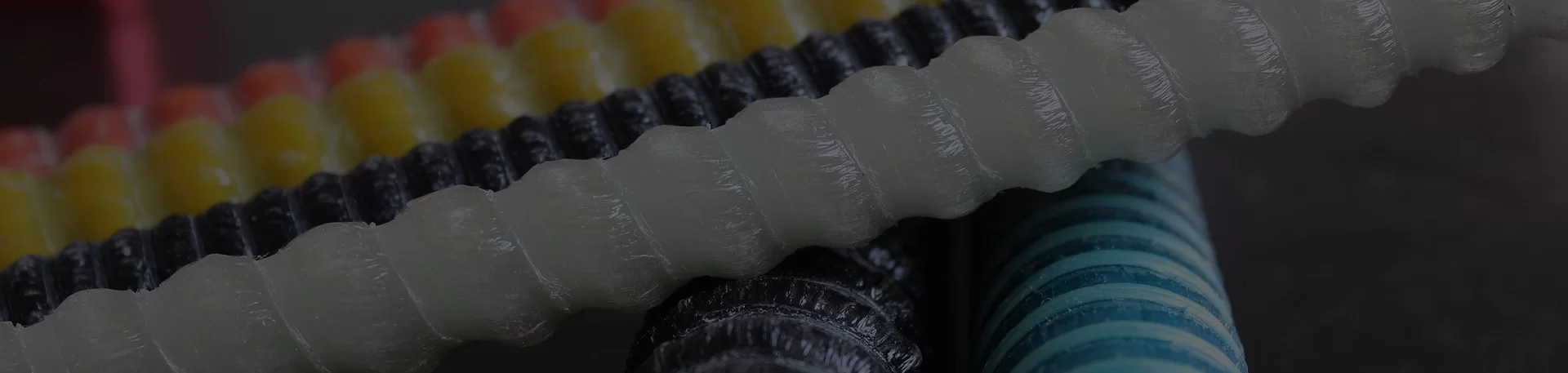
Fiberglass reinforcing bars (GFRP rebar) are increasingly becoming the preferred choice over traditional steel rebar in numerous construction applications. Their non-corrosive nature, high tensile strength, and lightweight properties offer significant advantages. This article will explore the benefits, applications, specifications, and why HBZT Composite's fiberglass reinforcing bars are a reliable solution for your project. Understanding the intricacies of GFRP rebar will help you make an informed decision for enhanced durability and cost-effectiveness.
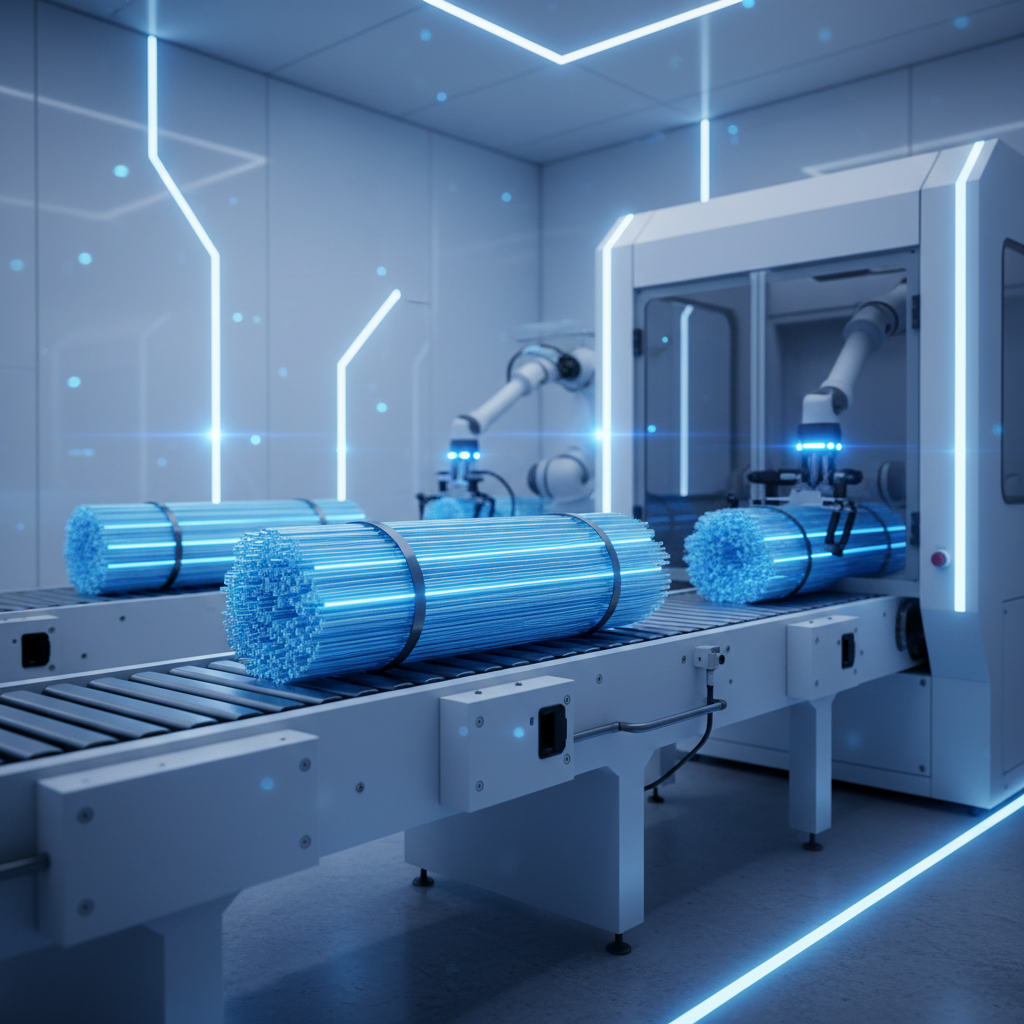
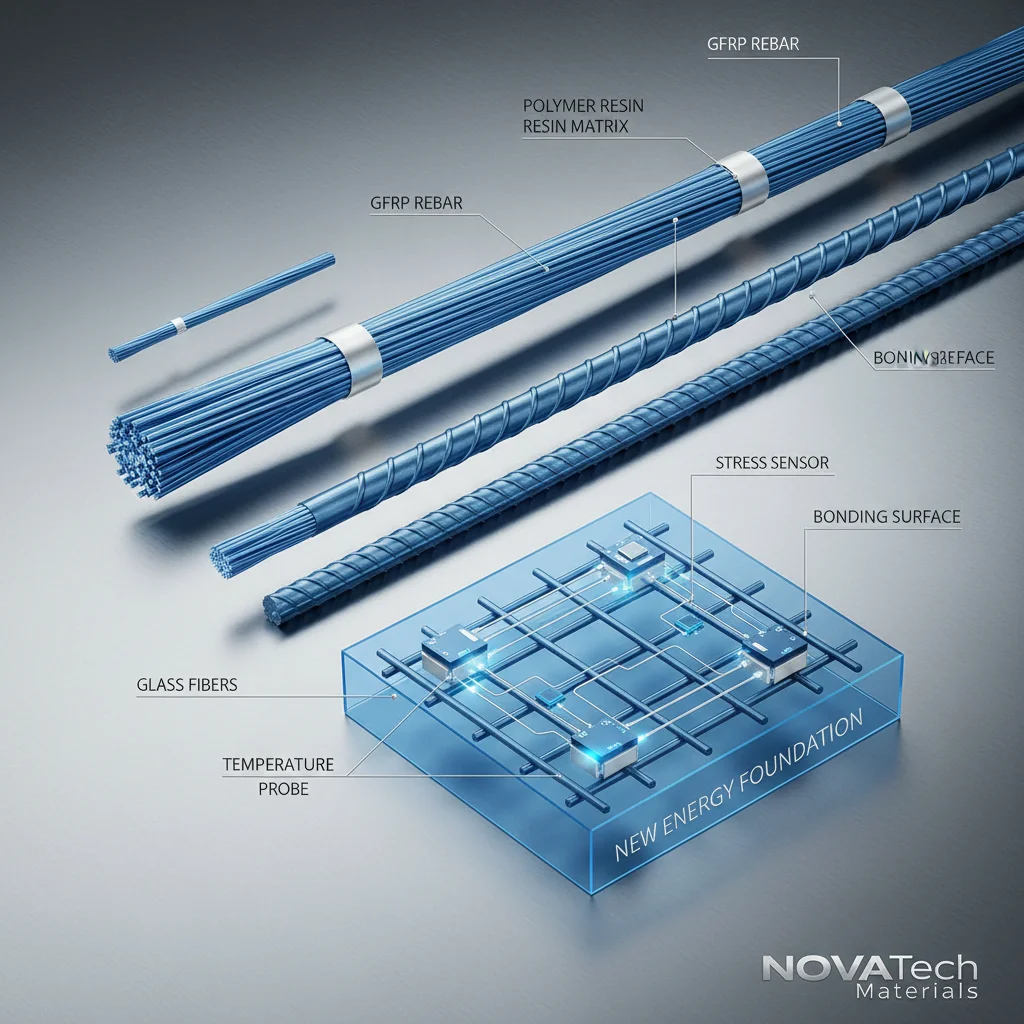
Fiberglass reinforcing bars are composed of glass fibers embedded in a resin matrix, typically vinyl ester or epoxy. This composition provides exceptional tensile strength while remaining significantly lighter than steel. Unlike steel, GFRP rebar doesn't corrode, making it ideal for applications exposed to harsh environments, such as saltwater or de-icing salts. This corrosion resistance drastically reduces long-term maintenance costs and extends the lifespan of structures. Furthermore, GFRP rebar is non-conductive, an important safety feature in certain applications.
Key Benefits: Corrosion resistance, lightweight, high tensile strength, non-conductive, long lifespan.
The versatility of GFRP rebar allows for its use in a wide range of construction projects. Common applications include concrete structures exposed to corrosive environments like bridges, marine piers, and parking garages. It's also widely used in precast concrete, tunnel linings, and retaining walls. Additionally, GFRP rebar is increasingly popular in residential construction, particularly for foundations and slabs where corrosion is a concern. HBZT Composite provides rebar solutions optimized for a variety of these needs.
Common Application Areas:
• Bridges and Marine Structures
• Precast Concrete Elements
• Tunnel Linings
• Residential Foundations
Comparing GFRP rebar to traditional steel rebar highlights the significant advantages of fiberglass. Steel is susceptible to corrosion, leading to structural weakening and costly repairs. GFRP, being non-corrosive, eliminates this concern. While steel boasts higher compressive strength, GFRP offers comparable tensile strength and a superior strength-to-weight ratio. This lighter weight reduces transportation costs and eases installation. The non-conductive nature of GFRP is also a crucial advantage in specific applications like MRI rooms and power plants.
HBZT Composite offers a comprehensive range of fiberglass rebar, manufactured to rigorous quality standards. We provide various diameters, lengths, and surface treatments to meet diverse project requirements. Our rebar undergoes extensive testing to ensure compliance with ASTM D7957 and other relevant industry standards. We are committed to delivering consistent, high-performance products you can rely on.
Choosing HBZT Composite’s fiberglass reinforcing bars is an investment in the long-term durability and sustainability of your construction projects. Their superior corrosion resistance, lightweight nature, and high strength offer significant advantages over traditional steel rebar, leading to reduced maintenance costs and a longer lifespan. Contact us today to discuss your project needs and discover how GFRP rebar can benefit your next build.
While the initial cost of fiberglass rebar may be higher than steel rebar, the long-term cost benefits often outweigh this difference. GFRP eliminates the need for corrosion protection measures, such as coatings or cathodic protection, and reduces the risk of costly repairs associated with steel corrosion. Considering the entire life cycle of the structure, GFRP can be more cost-effective. The lighter weight also translates to reduced transportation and installation costs.
Fiberglass rebar is an excellent choice for most concrete applications, especially those exposed to corrosive environments. However, it’s important to consider the specific requirements of the project. For applications requiring very high compressive strength, steel may still be preferred. Consulting with a structural engineer is recommended to determine the best rebar solution for your specific needs.
Structures reinforced with fiberglass rebar are expected to have a significantly longer lifespan than those reinforced with steel rebar, particularly in corrosive environments. Because GFRP doesn’t corrode, the structural integrity remains intact for decades, potentially exceeding 75-100 years. Regular inspections are still recommended, but the risk of corrosion-related failures is drastically reduced.
Fiberglass rebar can be cut using standard concrete cutting tools, such as saws or abrasive cutters. However, it's crucial to use dust control measures, as cutting GFRP can release fine glass fibers. Installation is similar to steel rebar, but requires different tying techniques. Specialized GFRP tying wire or straps are recommended to avoid damaging the fibers.
Apr. 27, 2026
Benefits of Durable Concrete Fiberglass Rebar for Infrastructure

Apr. 24, 2026
High Strength and Corrosion Resistant glass fibre reinforcement bars
Apr. 23, 2026
Reliable frp walkway manufacturer for Industrial Flooring Solutions
Apr. 22, 2026
Sustainable Construction with High Strength gfrp rebars Guide

Apr. 17, 2026
Advantages and Applications of High Strength Glass Rebar
Apr. 16, 2026
The Ultimate Guide to GFRP Rebars for Modern Construction
Looking for Reliable Frp Solutions?