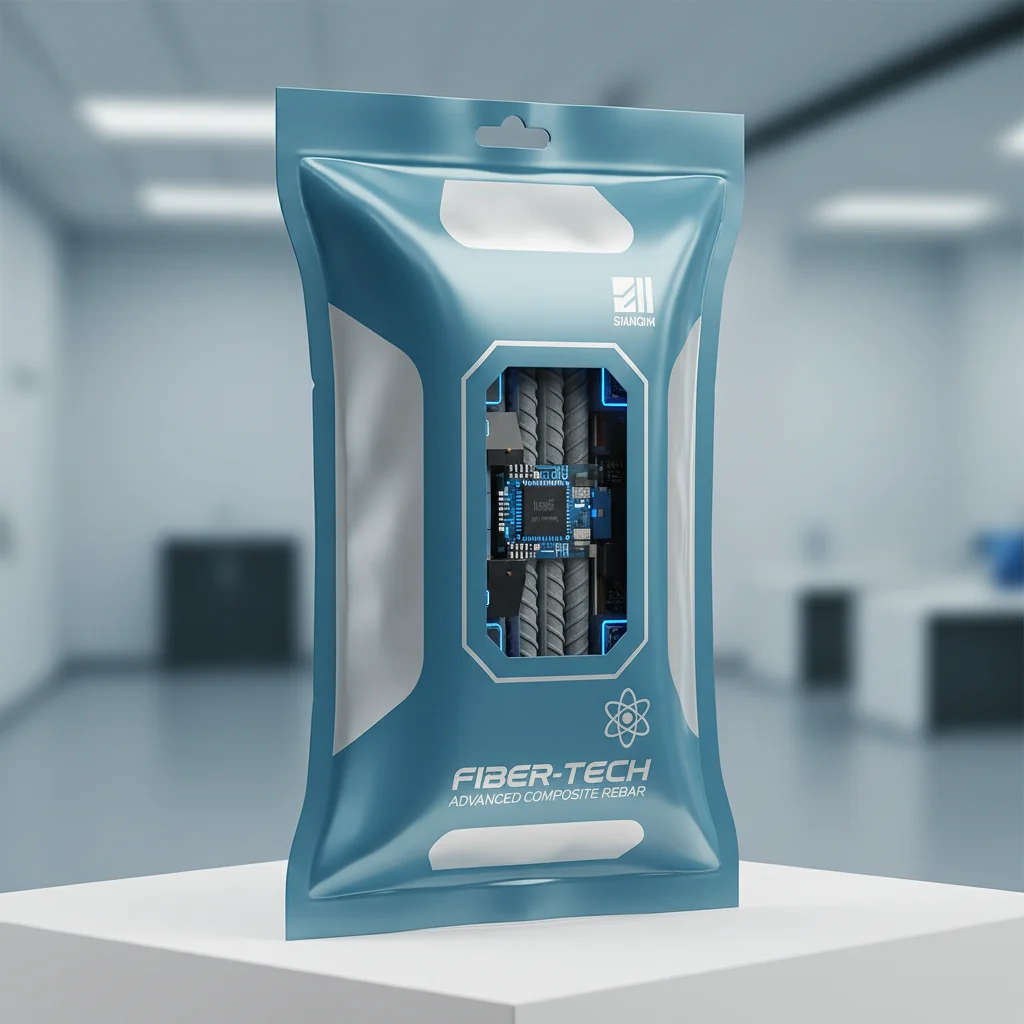
When evaluating the total expenditure of modern infrastructure projects, the gfrp rebar cost has become a pivotal metric for engineers and developers. Glass Fiber Reinforced Polymer (GFRP) rebar is no longer just a niche alternative to steel; it is a strategic investment in longevity, particularly in environments where corrosion is an inevitable threat. Understanding the price dynamics of these composite materials allows stakeholders to balance immediate capital expenditure with long-term maintenance savings.
Globally, the construction industry is shifting toward sustainable materials to combat the trillion-dollar problem of concrete degradation. While the initial gfrp rebar cost may differ from traditional black steel, the value proposition lies in the elimination of rust and the subsequent reduction in repair cycles. This shift is supported by evolving ISO standards and a growing body of empirical data showing that non-metallic reinforcement significantly extends the lifecycle of bridges, piers, and tunnels.
However, determining the exact gfrp rebar cost requires a nuanced look at resin types, glass fiber quality, and volume requirements. From the perspective of non-metallic mineral product manufacturing, the cost is an interplay of raw material volatility and the precision of the pultrusion process. By analyzing these variables, project managers can optimize their budgets without compromising the structural integrity or safety of their builds.

Global Market Dynamics of GFRP Rebar Cost
The global market for composite reinforcement is currently experiencing a period of rapid stabilization. The gfrp rebar cost is heavily influenced by the global supply chain of E-glass fibers and vinyl ester resins. As manufacturing capacity increases in hubs across Asia and North America, the economies of scale are beginning to drive down the unit price, making it more competitive against epoxy-coated steel.
Furthermore, international building codes are gradually incorporating GFRP standards, which encourages larger volume orders. This shift from specialty project use to mainstream adoption helps stabilize the gfrp rebar cost by reducing the "custom order" premium that previously plagued the industry. Today, we see a more streamlined pricing model based on diameter and tensile strength.
Understanding the Definition of GFRP Rebar Cost
In simple technical terms, gfrp rebar cost refers to the total financial outlay required to procure glass fiber reinforced polymer bars per linear meter or ton. Unlike steel, which is priced primarily on weight and market commodity indices, the cost of GFRP is determined by the volume of high-strength glass rovings and the quality of the polymer matrix that binds them.
From an industry perspective, this cost encompasses more than just the raw material; it includes the pultrusion energy costs, the application of sand-coating for concrete bonding, and the quality control testing required to meet ASTM or ACI standards. When engineers discuss gfrp rebar cost, they are often looking at the "installed cost," which includes the benefit of easier handling due to the material's light weight.
Ultimately, this cost is linked to the humanitarian and environmental need for durable infrastructure. By investing in materials that do not corrode, governments can reduce the frequency of road closures and bridge failures, effectively shifting the gfrp rebar cost from a "construction expense" to a "lifecycle asset" that protects public safety.
Core Factors Influencing GFRP Rebar Cost
The first primary driver of gfrp rebar cost is the resin chemistry. Vinyl ester resins, which offer superior corrosion resistance and chemical stability, are typically more expensive than polyester resins. Depending on the aggressiveness of the environment—such as a saltwater splash zone versus a residential driveway—the choice of resin will directly scale the procurement budget.
Another critical factor is the glass-to-resin ratio. High-performance bars require a higher percentage of glass fibers to achieve the necessary tensile strength, which can increase the gfrp rebar cost due to the higher cost of premium E-CR glass. However, this increase is offset by the fact that less material may be needed to achieve the same structural load-bearing capacity as steel.
Lastly, surface treatment and manufacturing precision play a role. Sand-coated GFRP rebar provides a superior mechanical bond with concrete compared to ribbed bars, but the additional coating step adds to the overall gfrp rebar cost. Quality assurance, including ultrasonic testing and tensile sampling, also ensures that the cost paid translates into a reliable, non-defective product.
Cost Efficiency and Scalability Analysis
Analyzing the gfrp rebar cost requires a shift from "initial price" to "total cost of ownership." While GFRP may have a higher upfront price per pound than standard carbon steel, it is roughly 1/4 the weight. This leads to massive savings in logistics, shipping, and on-site labor, as fewer cranes and smaller crews are needed to move and place the reinforcement.
Scalability in GFRP production is also bringing the gfrp rebar cost down. As factories implement automated pultrusion lines and AI-driven quality monitoring, the waste percentage is dropping, allowing manufacturers to pass those savings on to the end consumer in the construction sector.
Comparative Efficiency of GFRP Rebar Cost Methods
Global Applications and Use Cases
In coastal regions, such as the Gulf Coast of the US or the islands of Southeast Asia, the gfrp rebar cost is easily justified. Salt-induced corrosion can destroy a concrete bridge in 20 years; GFRP can extend that to 100 years. In these contexts, the material is used for seawalls, bridge decks, and wharf structures where steel would simply disintegrate.
Industrial zones dealing with chemical waste or acid runoff also prioritize GFRP. For these organizations, the gfrp rebar cost is a safeguard against catastrophic structural failure. By utilizing non-conductive, non-corrosive reinforcement, they eliminate the risk of electromagnetic interference in high-tech plants and avoid the need for expensive waterproof membranes.
Long-term Value and Sustainability Benefits
The true logic behind the gfrp rebar cost is found in the "Zero Maintenance" philosophy. When a project manager chooses composite rebar, they are essentially purchasing an insurance policy against future repairs. This provides a sense of trust and reliability for the building owner, who no longer has to worry about unsightly rust stains or spalling concrete.
From a sustainability angle, the carbon footprint of producing GFRP is significantly lower than that of smelting steel. While the gfrp rebar cost considers the chemical inputs, the reduction in total lifecycle emissions—due to fewer replacement projects—makes it the greenest choice for the 21st century.
Moreover, the safety impact is profound. Structures reinforced with GFRP do not suffer from the internal expansion caused by rusting steel, which is the leading cause of concrete cracking. By paying a calculated gfrp rebar cost today, we ensure the dignity and safety of the people who will use these structures for generations to come.
Future Trends in GFRP Rebar Cost Optimization
Looking forward, the integration of "Smart Rebar" is expected to influence the gfrp rebar cost. By embedding fiber-optic sensors within the composite pultrusion process, bars can now monitor the structural health of a building in real-time. While this adds to the initial cost, the ability to predict failure before it happens creates an unprecedented level of asset management efficiency.
Automation and digital transformation in the non-metallic mineral sector are also key. 3D printing of composite reinforcements and the use of bio-based resins are being explored to lower the environmental impact and the gfrp rebar cost. As these technologies mature, we expect a broader range of "performance-tiered" products to hit the market.
Government policies favoring "green procurement" are the final catalyst. As carbon taxes increase on steel production, the relative gfrp rebar cost will appear significantly more attractive. We are moving toward a world where composite materials are the default, not the alternative.
GFRP Rebar Cost Analysis Across Different Environmental Tiers
| Environment Type |
Initial Cost Impact |
Maintenance Saving |
Lifecycle Value Score |
| Coastal Bridge |
Moderate Increase |
Very High |
9.8 |
| Chemical Plant |
High Increase |
Extreme |
9.5 |
| Residential Slab |
Low Increase |
Moderate |
7.2 |
| Tunnel Lining |
Moderate Increase |
High |
8.7 |
| Agricultural Pond |
Low Increase |
High |
8.1 |
| Urban Pavement |
Moderate Increase |
Moderate |
6.8 |
FAQS
On a direct per-pound basis, GFRP can be more expensive. However, because GFRP is significantly lighter, you use less weight for the same volume, and shipping costs are drastically lower. When considering the total installed cost and the complete elimination of corrosion-related repairs, GFRP is often more cost-effective over the project's lifespan.
Resin acts as the protective matrix for the glass fibers. Vinyl ester resins provide the highest resistance to chemicals and acids, which increases the material cost. In contrast, polyester resins are cheaper but less durable. Choosing the right resin based on the environment ensures you don't overpay for unnecessary specs or underpay and risk early failure.
Yes, bulk procurement is one of the most effective ways to lower the unit cost. Large-scale orders allow manufacturers to optimize pultrusion runs, reducing setup time and material waste. Many suppliers offer tiered pricing for large infrastructure projects, making GFRP competitive with coated steel for massive builds.
Sand-coating adds a small premium to the cost because it requires an additional manufacturing step to ensure the coating adheres perfectly. However, this cost is negligible compared to the benefit of superior bond strength with concrete, which allows for more efficient structural designs and less material usage overall.
Yes, since the polymer resins used in GFRP are petroleum-derived, fluctuations in global oil prices can influence the cost of the raw matrix. However, these changes are often buffered by the long-term contracts manufacturers hold with resin suppliers, making the price more stable than the volatile commodity steel market.
For most residential projects, GFRP is a viable option if the structure is in a coastal area or in contact with soil containing sulfates. While the initial cost may be slightly higher, the peace of mind knowing that the foundation will never rust provides long-term value and increases the eventual resale value of the property.
Conclusion
Evaluating gfrp rebar cost requires a holistic approach that moves beyond the simple purchase price. From the selection of high-grade resins to the logistical advantages of lightweight materials, the financial narrative of GFRP is one of efficiency, durability, and risk mitigation. By eliminating the cycle of corrosion and repair, GFRP provides a superior return on investment for critical infrastructure.
As the industry moves toward a more sustainable and digitally monitored future, the adoption of composite reinforcement will only accelerate. We suggest that developers and engineers prioritize lifecycle cost analysis over initial quotes to truly unlock the value of these materials. To explore high-performance composite solutions and get a precise quote, visit our website: www.hbztcomposite.com.