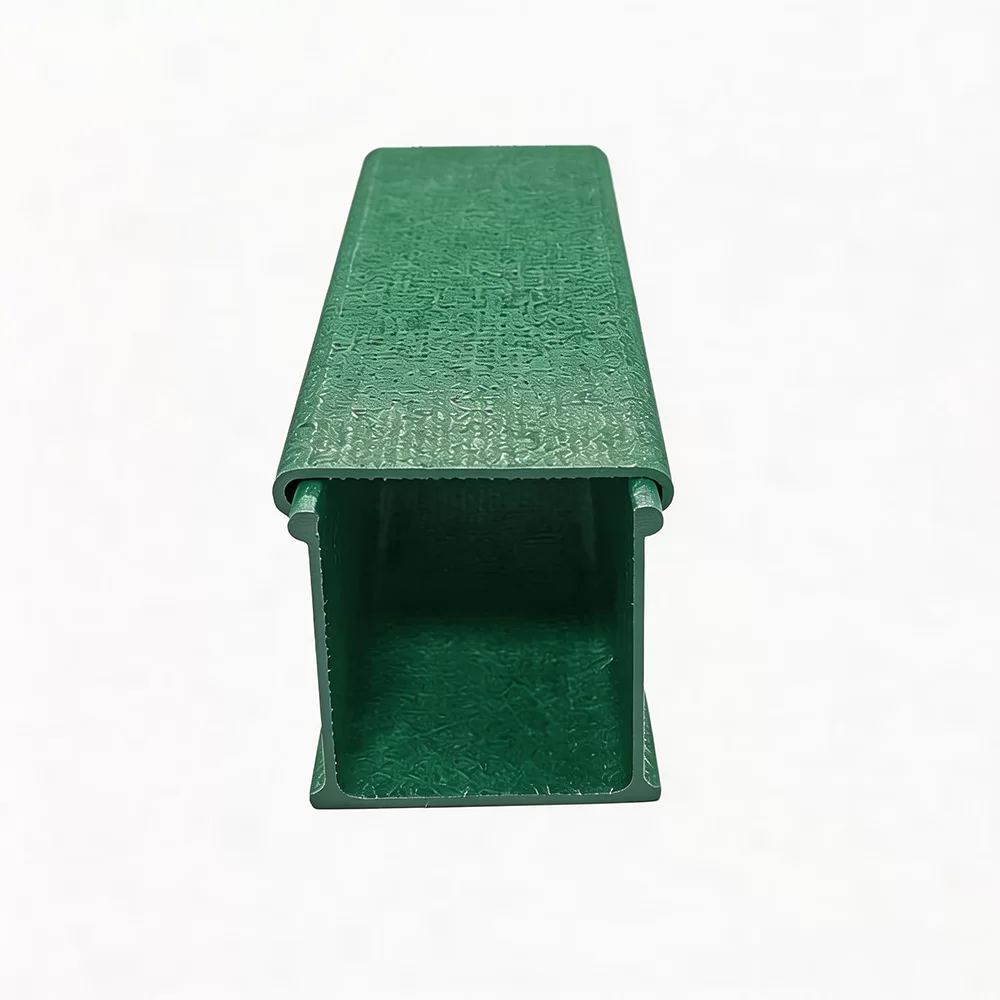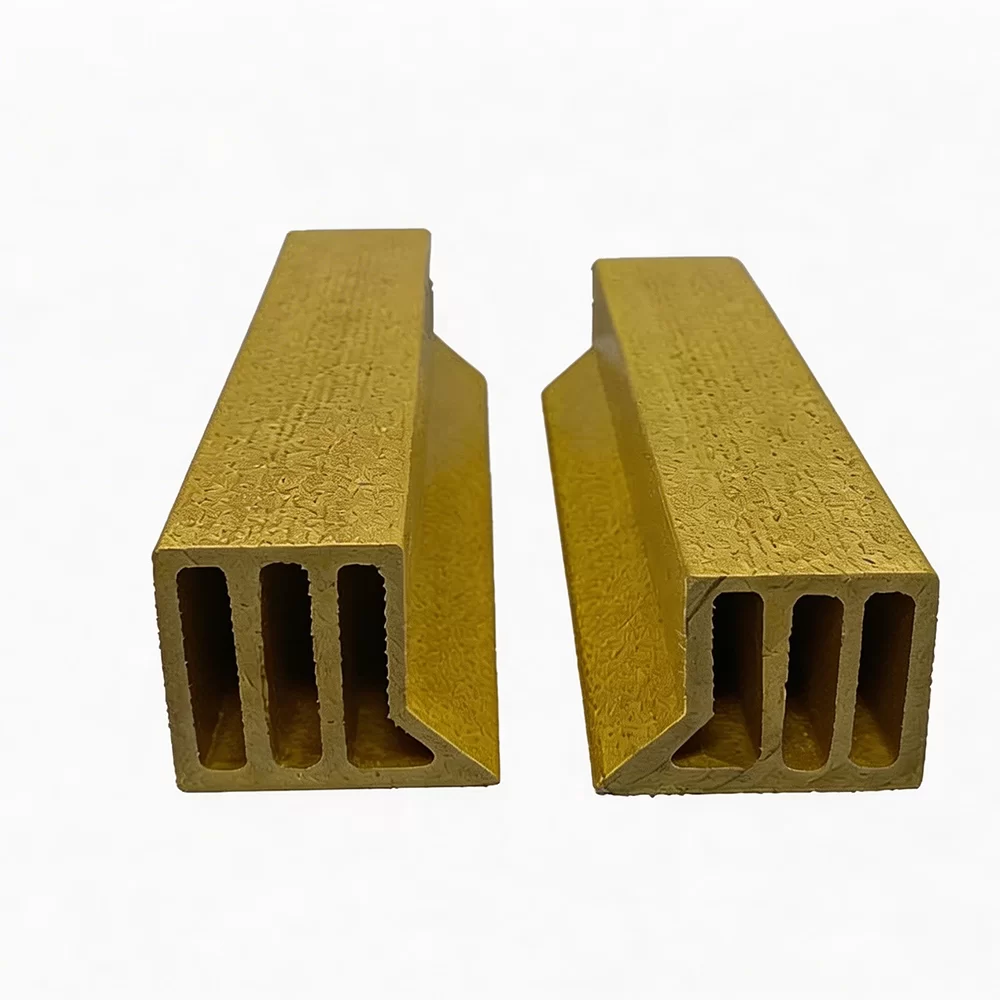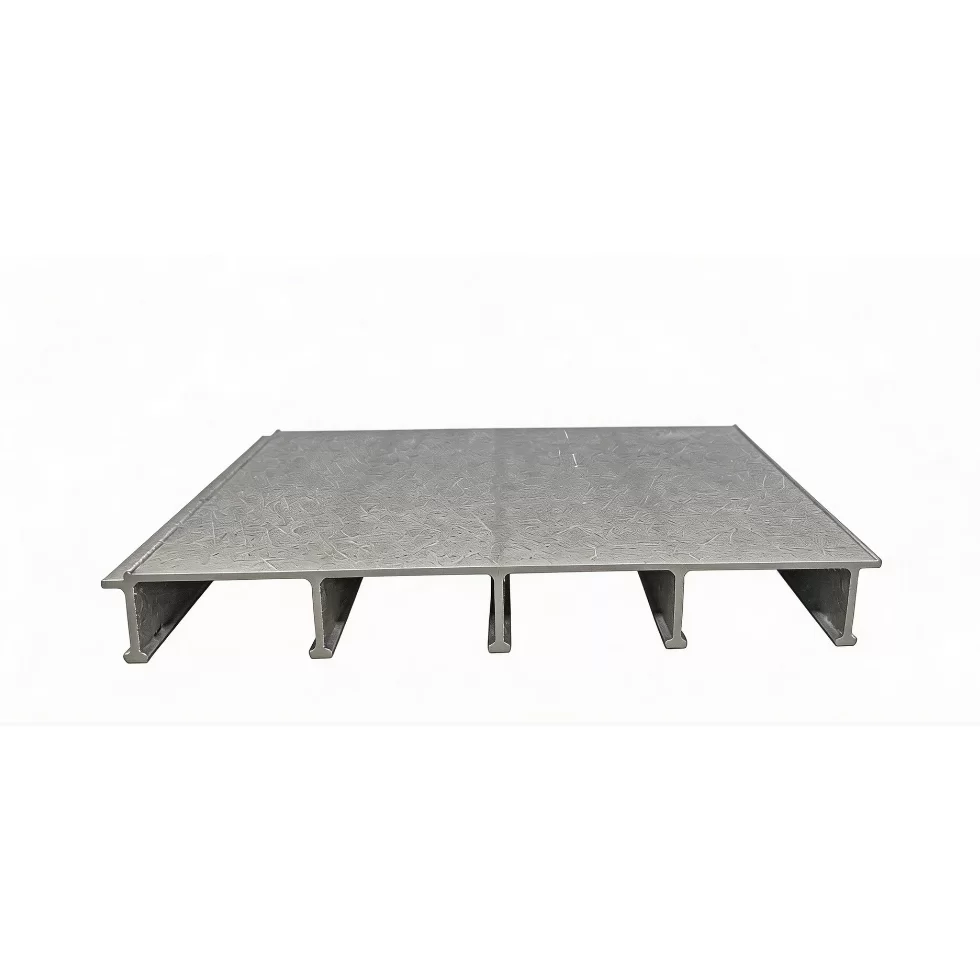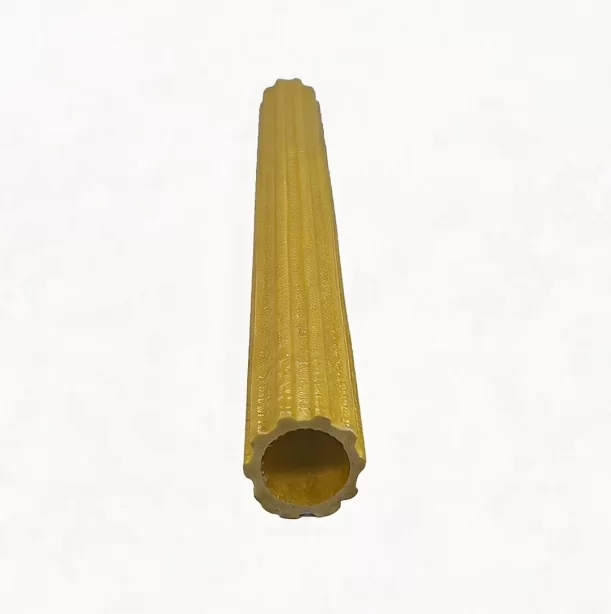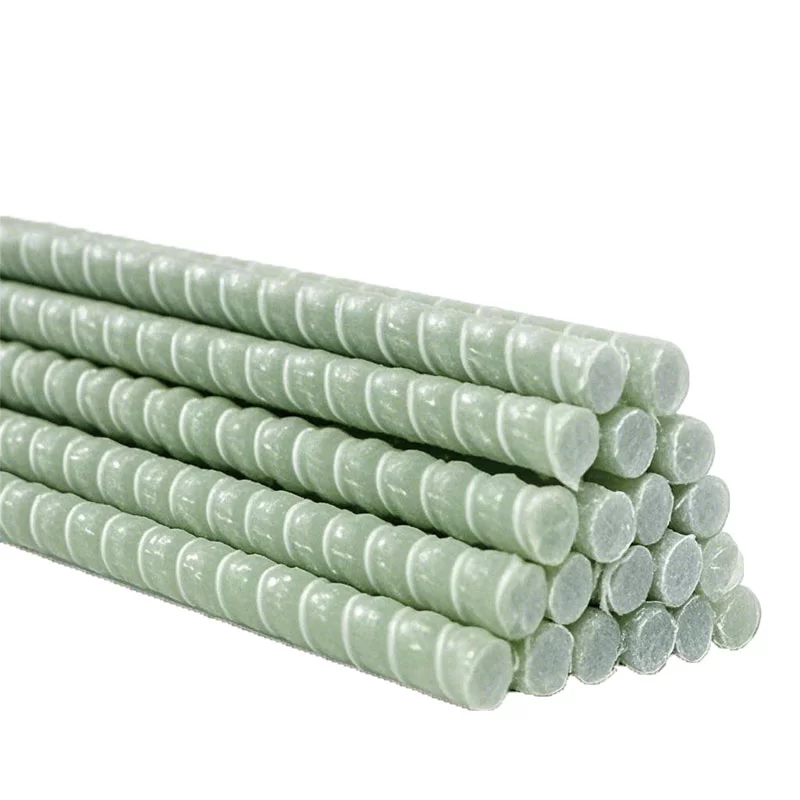
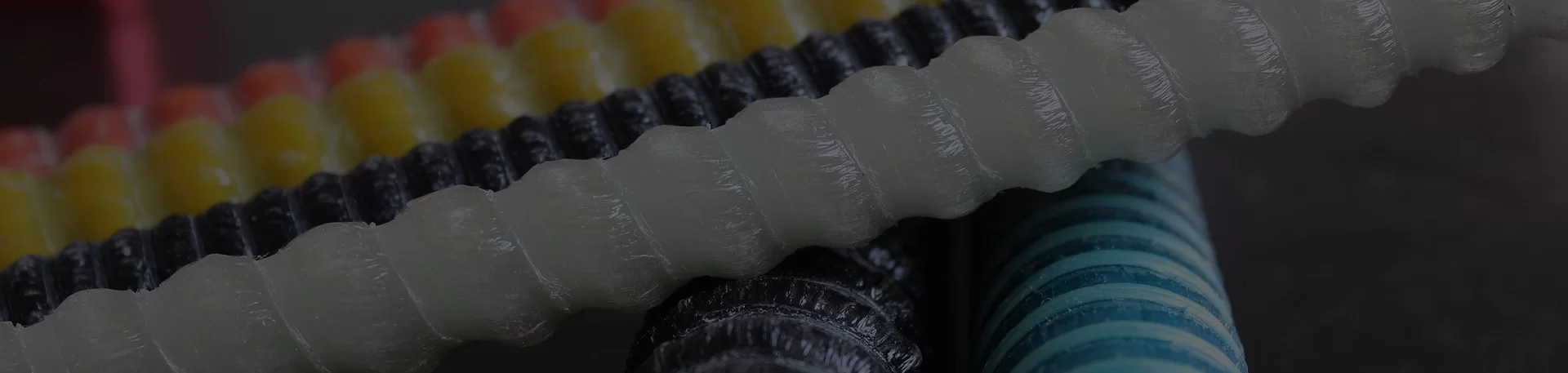
basalt fiber rebar

  • Home
  • basalt fiber rebar

Overcoming Structural Corrosion: Choosing the Right basalt fiber rebar

Traditional steel reinforcement often becomes the weak link in infrastructure, succumbing to rust, moisture degradation, and aggressive chemical exposure. For engineers and project managers in the construction, wastewater treatment, and chemical industries, finding a material that guarantees longevity without compromising on structural integrity is a constant challenge. Unpredictable maintenance costs and the risk of early concrete spalling can easily derail large-scale engineering projects.

Addressing this critical vulnerability requires a fundamental shift in material selection. Operating from our state-of-the-art facilities in the Fuzhuang Industrial Park, we specialize in high-quality Fiber Reinforced Polymer (FRP) solutions that directly solve these environmental pain points. By utilizing advanced pultrusion and molding processes, we engineer non-metallic structural reinforcements that simply do not rust. Backed by a strict quality management system and extensive experience serving international markets across North America, Europe, and Southeast Asia, our manufacturing capabilities ensure that every batch delivers the durability, corrosion resistance, and high strength-to-weight ratios required to future-proof your most demanding projects.

Engineering Standards for basalt fiber rebar

Precision engineering dictates the performance of every composite material deployed in the field. Leveraging multiple advanced pultrusion lines and a deeply integrated manufacturing workflow, we achieve exceptional mechanical uniformity in our structural profiles. When specifying reinforcement for corrosive environments, understanding the precise technical benchmarks separates standard materials from superior engineered solutions.

Performance Metric Industry Significance Our Engineering Standard Advantage
Tensile Strength-to-Weight Ratio Determines load-bearing capacity relative to the dead weight of the structure. Manufactured via optimized pultrusion for maximum longitudinal fiber alignment. Significantly lighter than steel while offering superior tensile strength, reducing transport and handling costs.
Corrosion & Chemical Resistance Crucial for longevity in wastewater, chemical plants, and coastal applications. Formulated with premium anti-aging resins and high-grade fibers. Absolute immunity to rust and chloride-ion attacks, completely eliminating concrete spalling risks.
Dimensional Stability Ensures reliable integration into large-scale engineering projects without warping. Strict quality management protocols governing curing temperatures and line speeds. Maintains precise tolerances under extreme thermal and mechanical stress, ensuring seamless installation.

Maximizing ROI with basalt fiber rebar

Strategic material procurement extends far beyond the initial purchase price; it is fundamentally about total lifecycle value. By replacing conventional reinforcement with highly durable, anti-aging composite solutions, stakeholders drastically reduce the financial burden of continuous maintenance, structural repairs, and early asset replacement. Our customized composite solutions empower global clients to shift their budgets from reactive maintenance to proactive growth.

When deployed in highly corrosive sectors—such as wastewater treatment and marine construction—the return on investment becomes unmistakable within the first decade. The chart below illustrates the projected lifecycle maintenance costs of traditional steel reinforcement compared to advanced pultruded composite alternatives, demonstrating the compounding financial benefits of specifying engineered polymers.

Related products

Benefits of Durable Concrete Fiberglass Rebar for Infrastructure

Benefits of Durable Concrete Fiberglass Rebar for Infrastructure

The evolution of modern infrastructure has led to a critical search for materials that can withstand the harshest environmental conditions without compromising structural integrity. Among the most promising innovations is concrete fiberglass rebar , a high-performance alternative to traditional steel reinforcement that eliminates the age-old problem of corrosion. By integrating advanced composite technology into the very core of our buildings and bridges, the construction industry is shifting toward a more sustainable and durable paradigm. Globally, the degradation of reinforced concrete due to saltwater ingress and chemical attacks costs billions of dollars in maintenance and premature demolition annually.
High Strength and Corrosion Resistant glass fibre reinforcement bars

High Strength and Corrosion Resistant glass fibre reinforcement bars

The evolution of modern infrastructure has reached a critical turning point where traditional materials are no longer sufficient to meet the demands of extreme environments. Among the most innovative solutions emerging is the use of glass fibre reinforcement bars, which provide a high-strength, corrosion-resistant alternative to conventional steel rebar. By integrating advanced polymer chemistry with high-tensile glass fibers, these components are redefining the longevity of concrete structures globally. Understanding the technical superiority of these composite materials is essential for engineers and architects aiming to reduce maintenance costs and environmental impact.
Reliable frp walkway manufacturer for Industrial Flooring Solutions

Reliable frp walkway manufacturer for Industrial Flooring Solutions

Selecting a reliable frp walkway manufacturer is a critical decision for industries operating in harsh environments where traditional materials like steel and aluminum fail. Fiber Reinforced Polymer (FRP) has emerged as the gold standard for industrial flooring and walkways due to its extraordinary resistance to corrosion and high strength-to-weight ratio, ensuring operational safety and longevity. In the global push toward sustainable infrastructure, the role of an experienced frp walkway manufacturer extends beyond mere production; it involves engineering solutions that reduce lifecycle costs and minimize environmental impact.
Sustainable Construction with High Strength gfrp rebars Guide

Sustainable Construction with High Strength gfrp rebars Guide

The construction industry is currently witnessing a paradigm shift toward sustainable and corrosion-resistant materials, with gfrp rebars emerging as a leading alternative to traditional steel reinforcement. As urban infrastructure faces increasingly harsh environmental conditions, the need for materials that can withstand chloride penetration and oxidation has never been more critical. Understanding the technical superiority of glass fiber reinforced polymer (GFRP) bars allows engineers to significantly extend the lifecycle of concrete structures while reducing long-term maintenance costs. By leveraging the high tensile strength and lightweight nature of these composites, the industry is moving toward a more resilient form of architecture.
Michael Thorne
We switched to basalt fiber rebar for our coastal wastewater project. The corrosion resistance is phenomenal, and it was surprisingly lightweight to install. Highly recommend for any marine applications.
13 March 2026
Sarah Jenkins
Incredible strength-to-weight ratio. Our crew finished the structural grid much faster than they would have with traditional steel. The manufacturing quality is consistently top-notch.
13 March 2026
David O'Connor
A true game-changer for long-term infrastructure. We've completely eliminated our concerns about rust and concrete spalling. The zero-maintenance lifecycle makes it a fantastic investment.
13 March 2026
Marcus Reed
Excellent dimensional stability under heavy loads. The pultruded rebar met all our strict engineering standards perfectly without any warping. Great technical support from their team as well.
13 March 2026

If you are interested in our products, you can choose to leave your information here, and we will be in touch with you shortly.