Overcoming Industrial Wear: Choosing the Right fiberglass composite
Industrial environments are notoriously unforgiving. Facilities operating in wastewater treatment, chemical processing, and heavy construction constantly battle a triad of operational threats: aggressive corrosion, rapid material fatigue, and prohibitive maintenance costs. Traditional metals and legacy materials often fail under these harsh conditions, leaving engineers and procurement teams searching for solutions that will not compromise on durability or structural integrity. The challenge lies in finding a highly adaptable material that can withstand constant environmental stress while maintaining precise engineering tolerances.
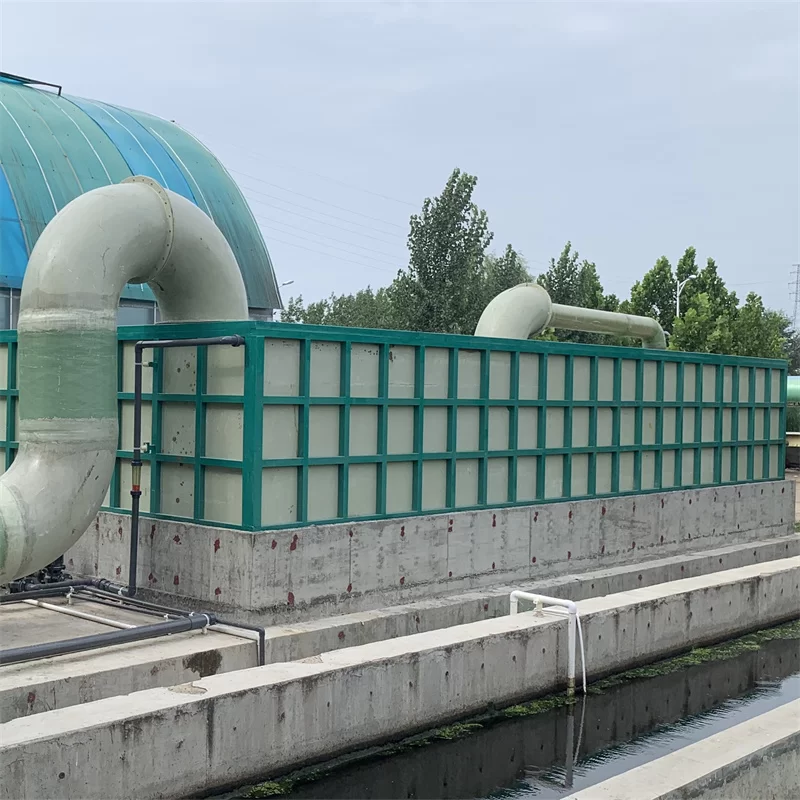
This is where advanced manufacturing methodologies step in to completely reshape infrastructure reliability. By leveraging extensive expertise in precision pultrusion, specialized molding, and meticulous hand lay-up processes, modern engineering directly addresses these sector-wide pain points. Utilizing modern production workshops equipped with multiple dedicated manufacturing lines, we deliver customized, large-scale engineering solutions. Operating under a strict international quality management system, these high-performance materials are engineered to conquer the toughest environments, successfully serving diverse global markets from North America and Europe to Southeast Asia and the Middle East.
Technical Excellence and Engineering Standards for fiberglass composite
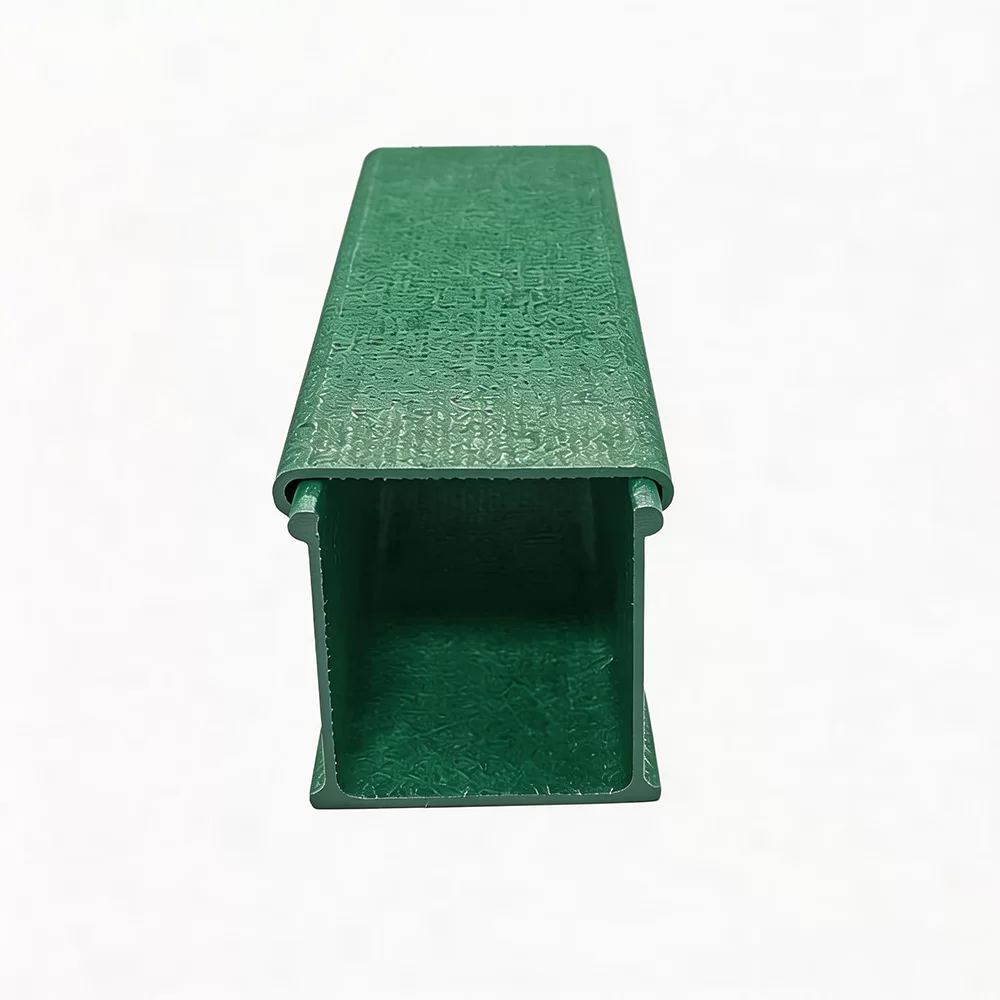
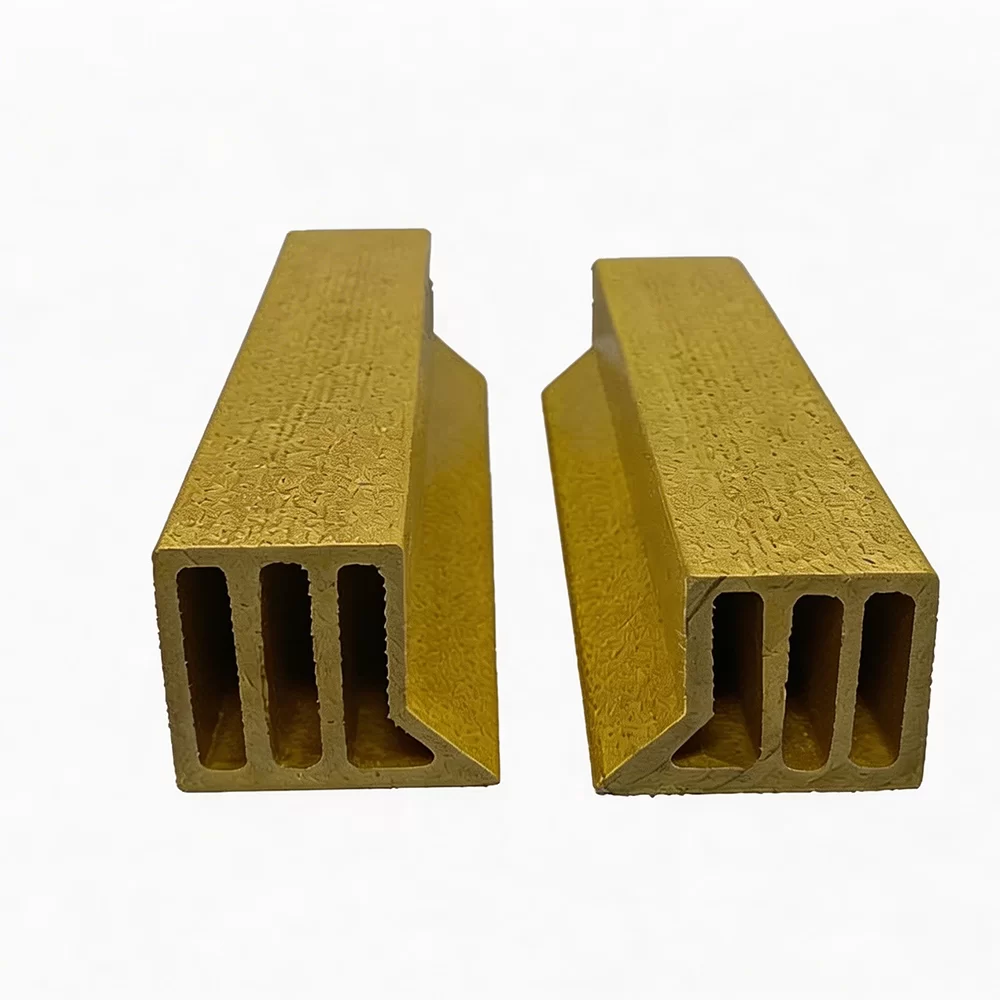
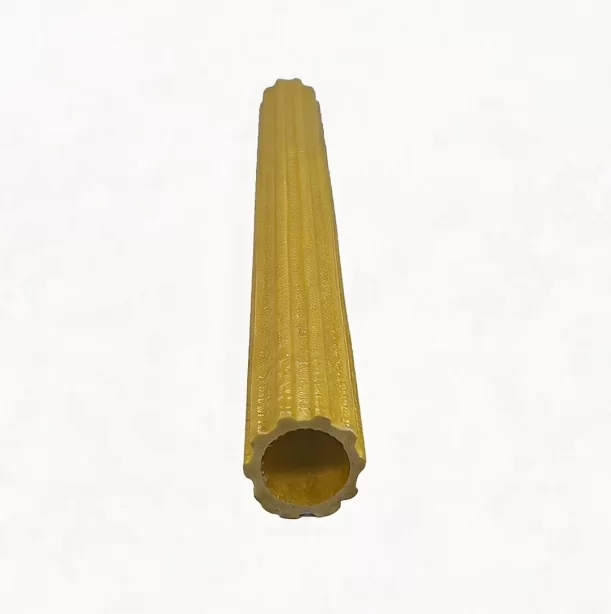
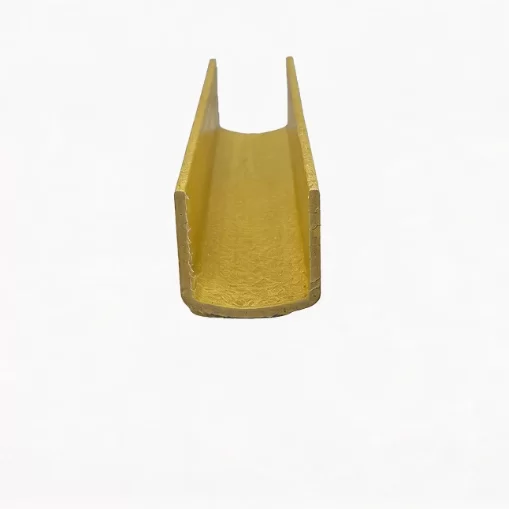
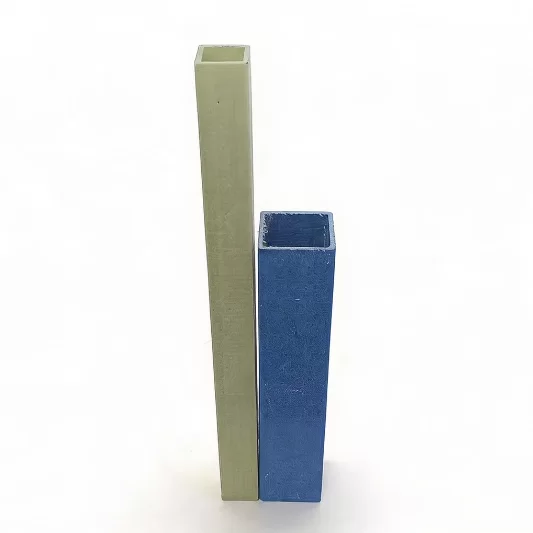
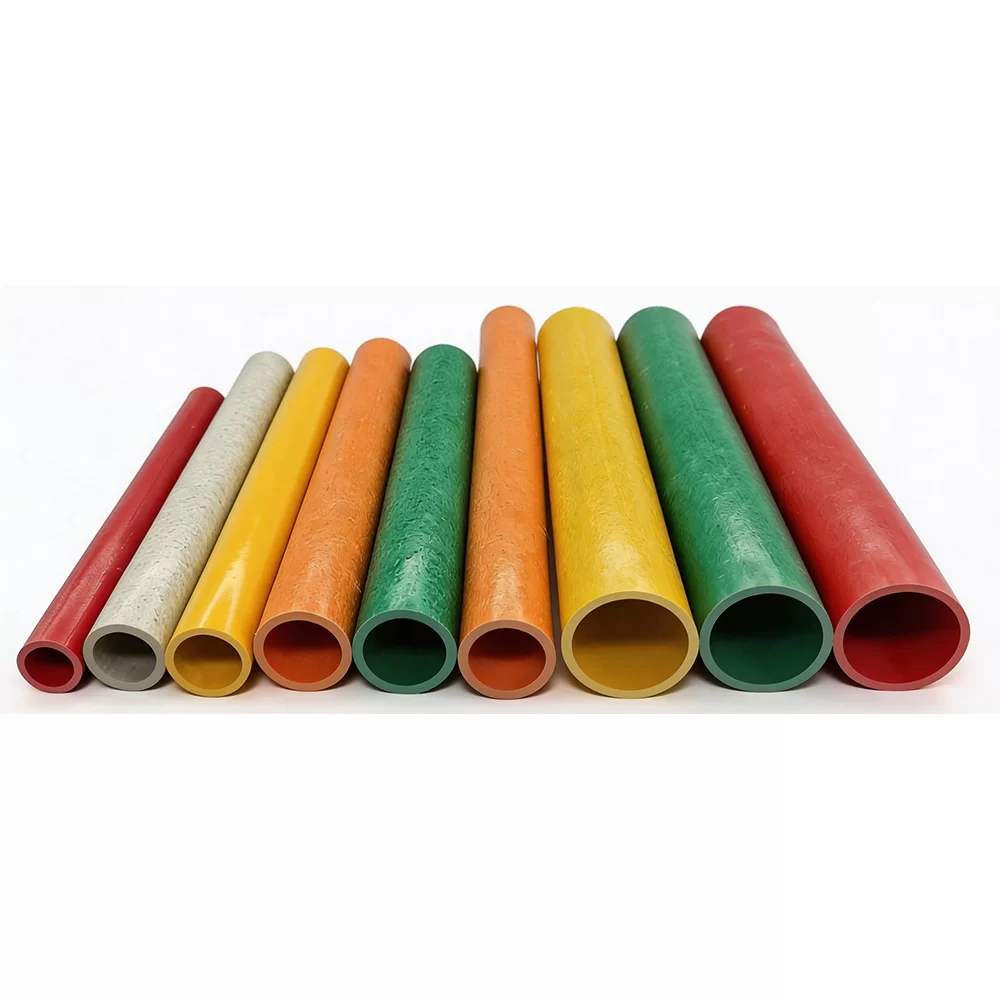
Achieving superior performance requires moving beyond basic fabrication and committing to rigorous scientific benchmarks. Whether deploying FRP gratings, structural profiles, or advanced carbon fiber tubes, the underlying resin matrices and reinforcement fibers must be optimized for exact environmental demands. By integrating continuous pultrusion and high-pressure molding, the resulting materials exhibit exceptional uniformity and load-bearing capabilities.
Below is a detailed breakdown of the technical benchmarks that define our manufacturing floor, ensuring every structure deployed meets stringent global industrial requirements.
| Performance Metric |
Industry Significance |
Our Engineering Standard |
Advantage |
| Tensile Strength & Weight Ratio |
Critical for reducing dead load on supporting frameworks. |
High strength-to-weight structural profiles. |
Significantly easier installation, lower transport costs, and superior load-bearing capacity compared to steel. |
| Corrosion Resistance |
Essential for chemical processing and wastewater treatment safety. |
Premium FRP matrices used in molded & pultruded gratings. |
Prevents structural degradation in highly acidic, alkaline, or submerged environments. |
| Weathering & Longevity |
Prevents brittle failure in outdoor and exposed applications. |
Specialized anti-aging property integration. |
Dramatically extends the lifecycle of outdoor storage tanks and exterior walkways. |
| Dimensional Precision |
Ensures seamless assembly for large-scale engineering projects. |
Strict quality control on multiple modern pultrusion lines. |
Delivers highly customized solutions tailored exactly to complex project specifications. |
Value Engineering: Maximizing ROI with Advanced fiberglass composite
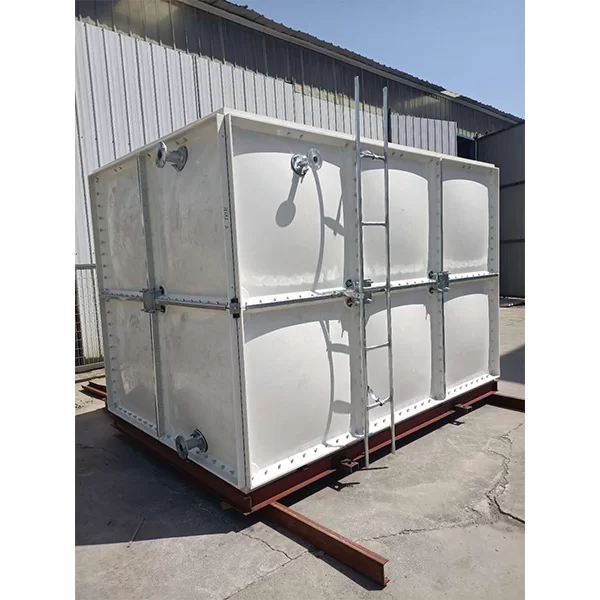
Investing in high-performance infrastructure materials is no longer just a structural necessity; it is a long-term financial strategy. The initial transition from legacy materials to advanced structural profiles, septic tanks, and customized water storage solutions yields exponential downstream savings. By inherently resisting corrosion and aging, these specialized materials practically eliminate the recurring costs associated with rust mitigation, frequent component replacement, and unexpected operational downtime.
For global clients navigating tight capital expenditure budgets, true value engineering means selecting a material that pays for itself. The data clearly demonstrates that integrating premium FRP into facility designs flattens the long-term maintenance curve, fundamentally reducing the total cost of ownership while boosting operational safety.
Related products
Benefits of Durable Concrete Fiberglass Rebar for Infrastructure
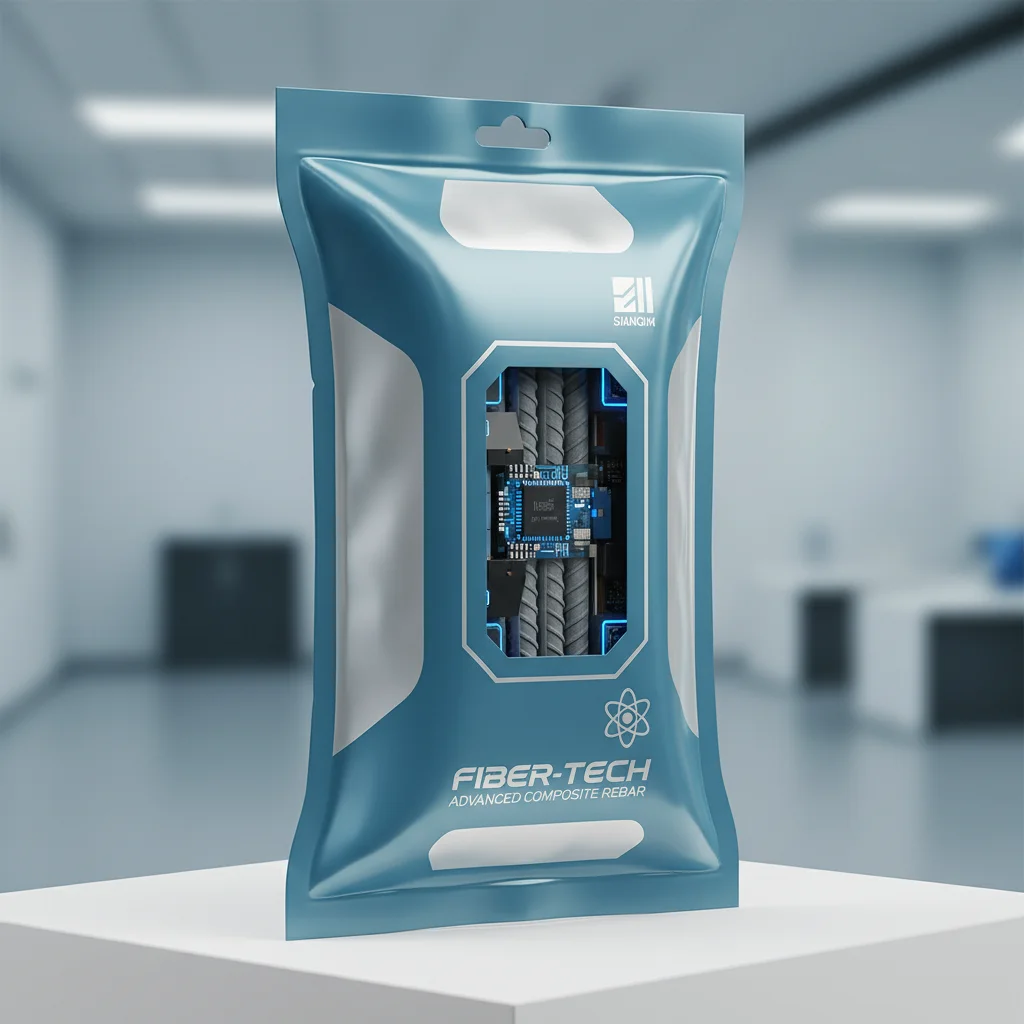
The evolution of modern infrastructure has led to a critical search for materials that can withstand the harshest environmental conditions without compromising structural integrity. Among the most promising innovations is concrete fiberglass rebar , a high-performance alternative to traditional steel reinforcement that eliminates the age-old problem of corrosion. By integrating advanced composite technology into the very core of our buildings and bridges, the construction industry is shifting toward a more sustainable and durable paradigm. Globally, the degradation of reinforced concrete due to saltwater ingress and chemical attacks costs billions of dollars in maintenance and premature demolition annually.
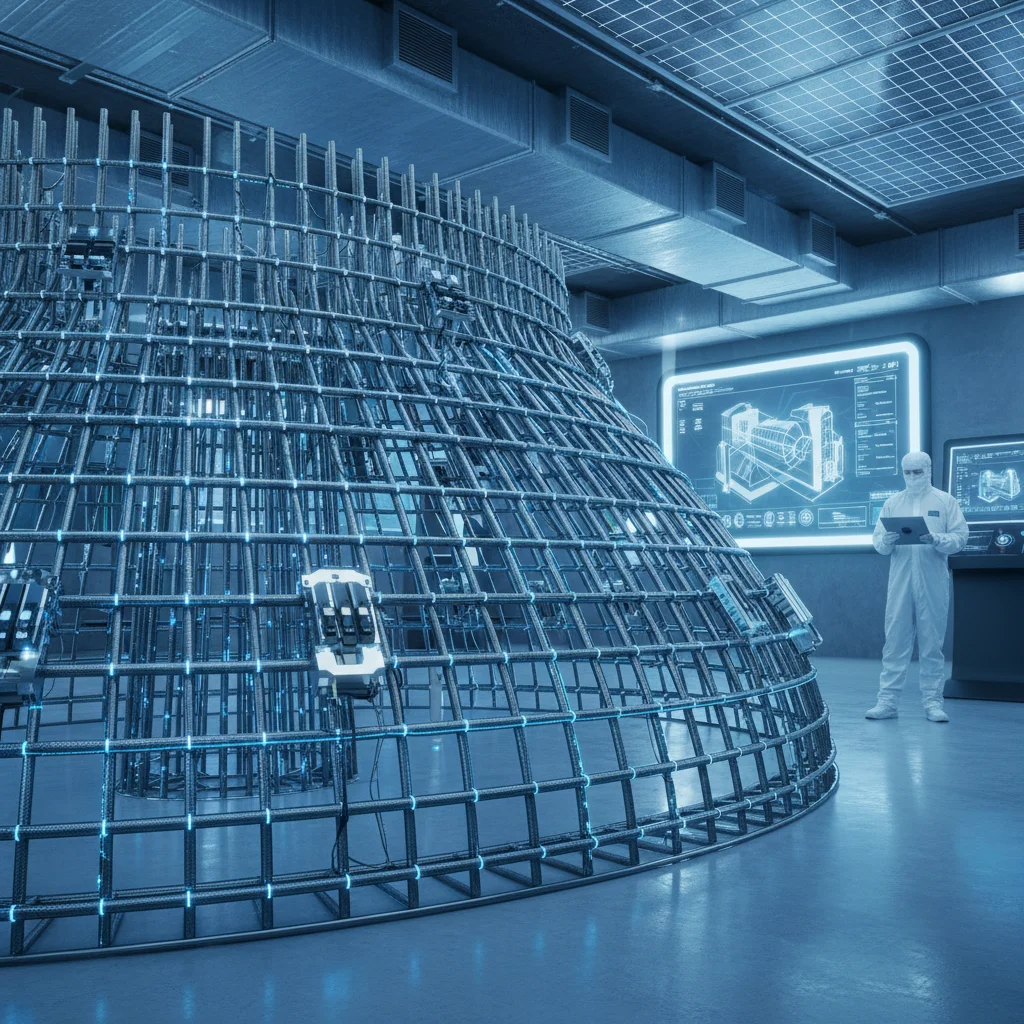
High Strength and Corrosion Resistant glass fibre reinforcement bars
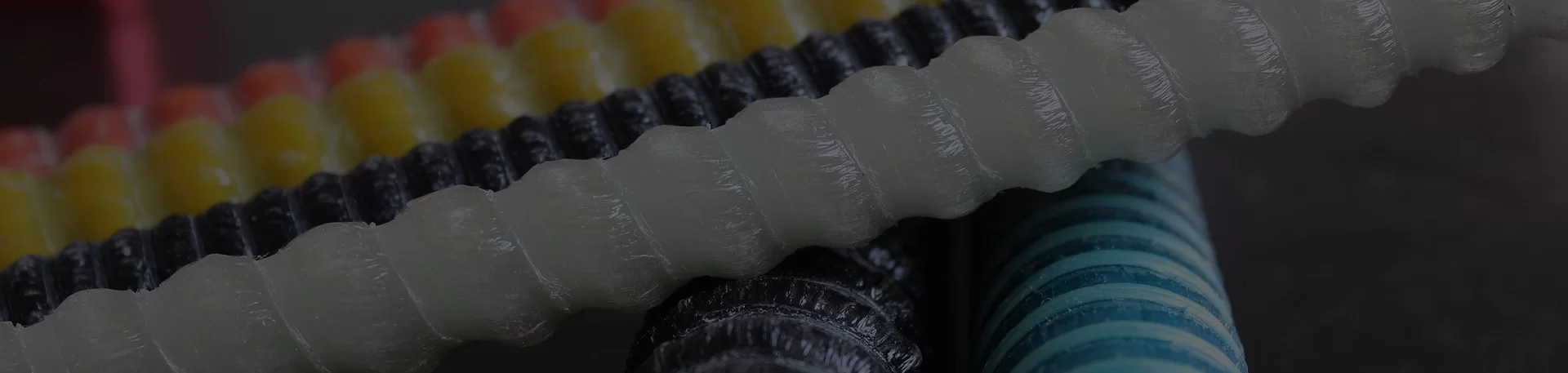
The evolution of modern infrastructure has reached a critical turning point where traditional materials are no longer sufficient to meet the demands of extreme environments. Among the most innovative solutions emerging is the use of glass fibre reinforcement bars, which provide a high-strength, corrosion-resistant alternative to conventional steel rebar. By integrating advanced polymer chemistry with high-tensile glass fibers, these components are redefining the longevity of concrete structures globally. Understanding the technical superiority of these composite materials is essential for engineers and architects aiming to reduce maintenance costs and environmental impact.
Reliable frp walkway manufacturer for Industrial Flooring Solutions
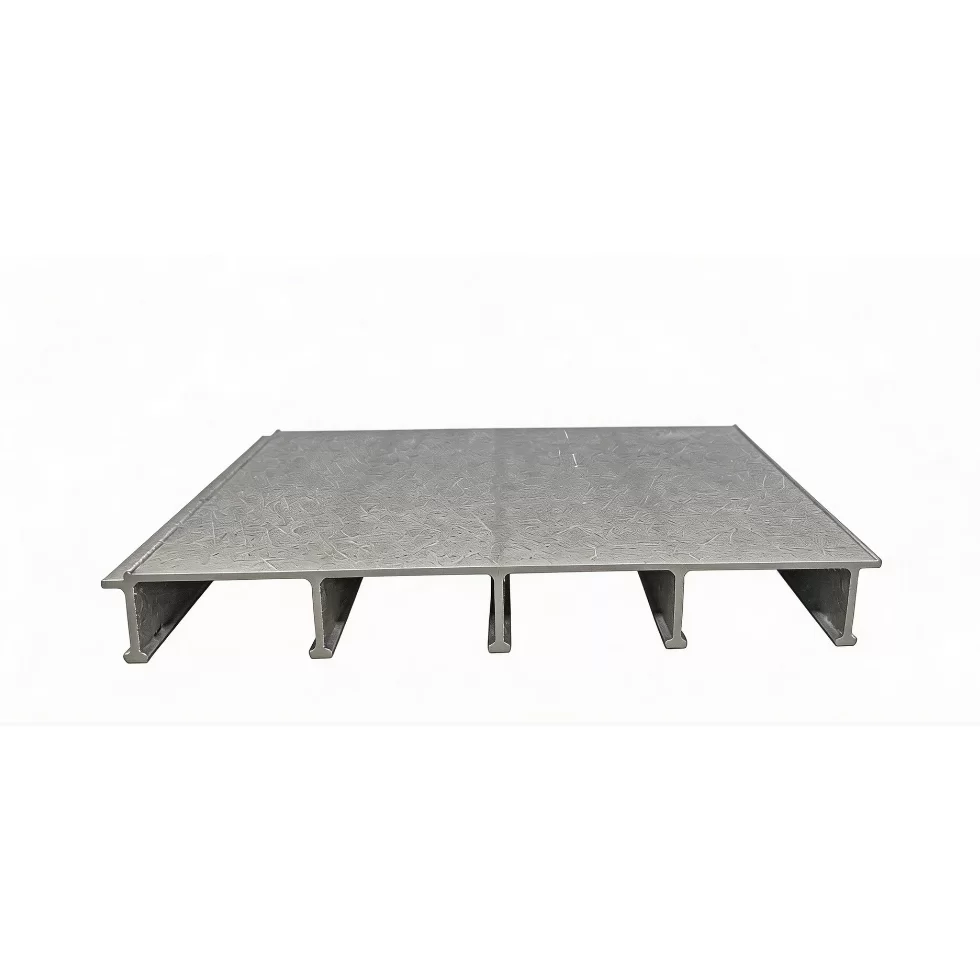
Selecting a reliable frp walkway manufacturer is a critical decision for industries operating in harsh environments where traditional materials like steel and aluminum fail. Fiber Reinforced Polymer (FRP) has emerged as the gold standard for industrial flooring and walkways due to its extraordinary resistance to corrosion and high strength-to-weight ratio, ensuring operational safety and longevity. In the global push toward sustainable infrastructure, the role of an experienced frp walkway manufacturer extends beyond mere production; it involves engineering solutions that reduce lifecycle costs and minimize environmental impact.
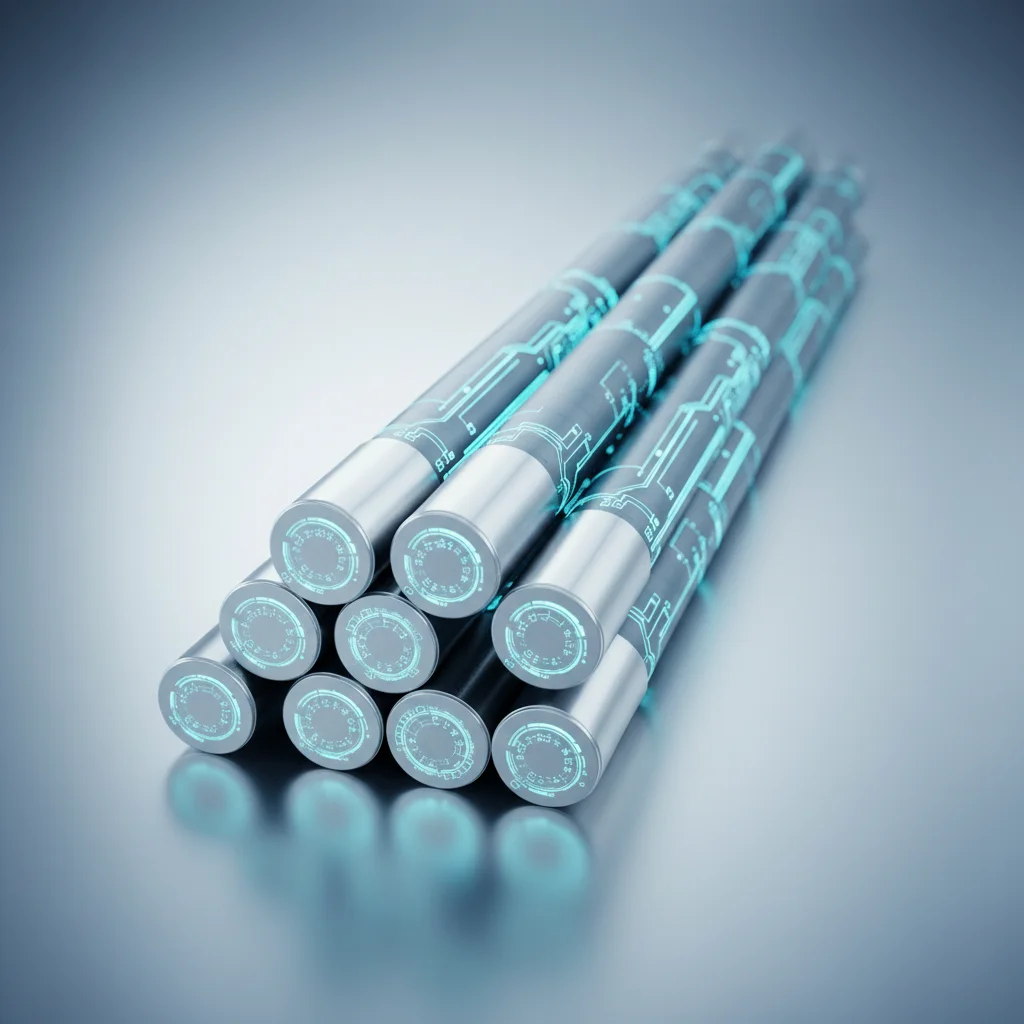
Sustainable Construction with High Strength gfrp rebars Guide
The construction industry is currently witnessing a paradigm shift toward sustainable and corrosion-resistant materials, with gfrp rebars emerging as a leading alternative to traditional steel reinforcement. As urban infrastructure faces increasingly harsh environmental conditions, the need for materials that can withstand chloride penetration and oxidation has never been more critical. Understanding the technical superiority of glass fiber reinforced polymer (GFRP) bars allows engineers to significantly extend the lifecycle of concrete structures while reducing long-term maintenance costs. By leveraging the high tensile strength and lightweight nature of these composites, the industry is moving toward a more resilient form of architecture.
We sourced their fiberglass composite gratings for our new wastewater facility. The corrosion resistance is exceptional, and the high strength-to-weight ratio made installation incredibly fast. Highly recommend for harsh industrial environments.
13 March 2026
Excellent quality control on the structural profiles. We needed customized pultruded fiberglass composites for a chemical plant project, and the dimensional precision was exactly as specified. Great technical support as well.
13 March 2026
Switching to their fiberglass composite materials has drastically reduced our ongoing maintenance costs. The anti-aging properties are perfect for our outdoor frameworks. Truly a smart, long-term infrastructure investment.
13 March 2026
Ordered a large batch of molded fiberglass composites for a commercial construction project in North America. The shipment arrived on time, and the material durability exceeded our strict engineering standards. Will definitely order again.
13 March 2026