Mar. 14, 2026
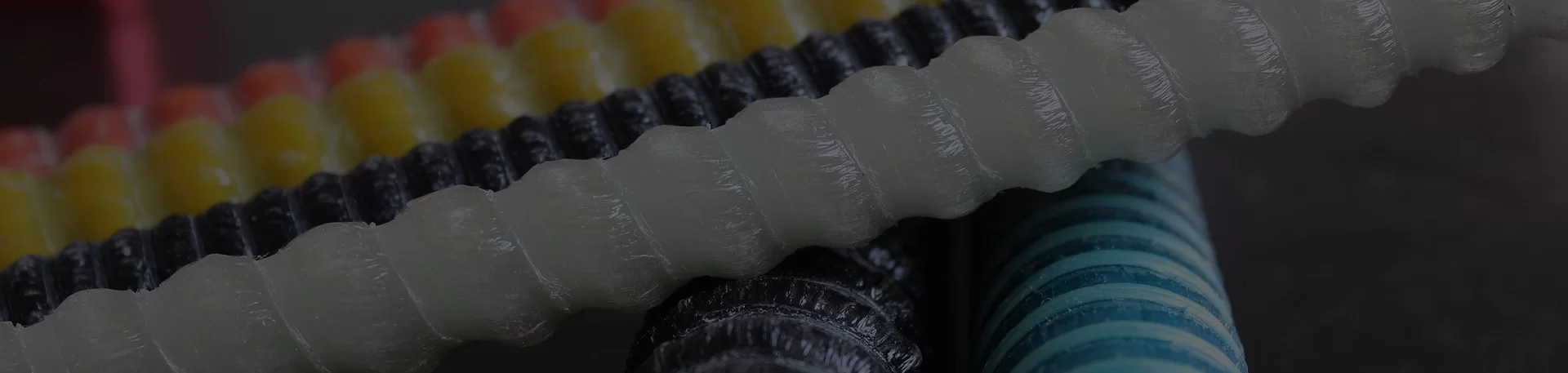
Glass Fiber Reinforced Polymer (GFRP) rebar is rapidly gaining recognition as a superior alternative to traditional steel rebar in various construction applications. This shift is driven by GFRP’s exceptional properties, including its corrosion resistance, lightweight nature, and high tensile strength. A critical factor for project planning is understanding the GFRP rebar price, which is influenced by factors such as diameter, length, quantity, and manufacturer. This article will provide a comprehensive overview of GFRP rebar pricing, its influencing factors, and the long-term cost benefits it offers.

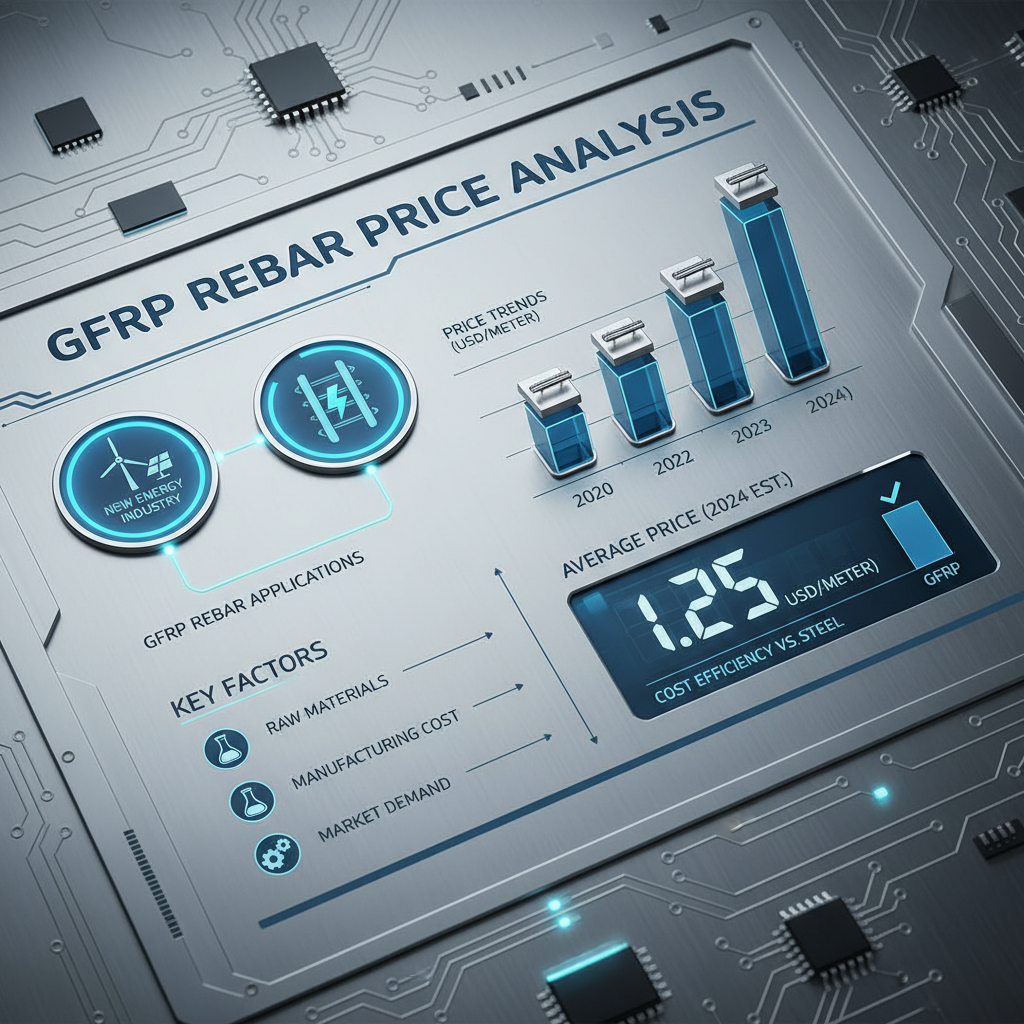
Several factors contribute to the final price of GFRP rebar. These include the raw material costs (glass fibers and resin), manufacturing processes, diameter and length of the rebar, and the order quantity. Larger orders typically qualify for volume discounts. Geographical location and shipping costs also play a significant role. Furthermore, the specific grade and quality of the GFRP rebar, as determined by industry standards, impacts its price. Higher-grade rebar with superior mechanical properties will command a premium. It is crucial to consider these variables when budgeting for a project involving GFRP rebar. HBZT Composite provides competitive pricing alongside consistently high-quality products.
Key Considerations: Raw material costs, manufacturing complexity, and order volume significantly influence GFRP rebar pricing. Negotiating with reliable suppliers like HBZT Composite is essential for securing favorable rates.
While the initial cost of GFRP rebar may be higher than traditional steel rebar, a comprehensive life-cycle cost analysis often reveals GFRP to be the more economical choice. Steel rebar is susceptible to corrosion, requiring ongoing maintenance, repairs, and eventual replacement, particularly in aggressive environments. GFRP rebar, being non-corrosive, eliminates these long-term costs. The following table provides a comparative overview of the initial and life-cycle costs:
The following price ranges are approximate and can vary based on the factors mentioned earlier. These are based on commonly available diameters:
GFRP rebar is increasingly preferred in a variety of construction projects, including bridges, tunnels, marine structures, and parking garages. Its non-corrosive properties make it ideal for environments exposed to saltwater, de-icing salts, and other corrosive substances. The reduced weight of GFRP rebar also simplifies handling and installation, leading to faster project completion times. Furthermore, its non-conductive nature enhances safety in electrical applications.
Investing in GFRP rebar is a strategic decision that offers long-term cost savings, enhanced durability, and reduced environmental impact. While the initial cost may be higher, the elimination of corrosion-related expenses and the extended lifespan of structures make it a financially sound choice. HBZT Composite is committed to providing high-quality GFRP rebar at competitive prices, helping you build a more sustainable and resilient future.
GFRP rebar offers several key advantages over traditional steel rebar. Primarily, it's non-corrosive, eliminating the need for protective coatings and reducing long-term maintenance costs. It’s also significantly lighter than steel, making it easier to handle and install, reducing labor costs and construction time. Furthermore, GFRP is non-conductive, increasing safety in applications where electrical currents are present, and it has a high tensile strength, ensuring structural integrity. It is also resistant to chemical attack, making it suitable for demanding environments.
GFRP rebar exhibits a relatively low coefficient of thermal expansion, meaning it doesn't expand or contract significantly with temperature changes. This is advantageous in concrete structures, minimizing stress and cracking. While it can withstand a wide range of temperatures, prolonged exposure to extreme heat (above 60°C) or UV radiation can gradually degrade the resin matrix. However, proper design and material selection can mitigate these effects. HBZT Composite’s GFRP rebar is formulated to provide optimal performance across a broad temperature range.
Structures reinforced with GFRP rebar can have a significantly longer lifespan than those using steel rebar, particularly in corrosive environments. Due to its non-corrosive nature, GFRP rebar doesn't degrade over time, ensuring the long-term integrity of the structure. While the lifespan is dependent on factors like environmental conditions and loading, structures reinforced with GFRP can realistically be expected to last 75-100 years or even longer.
Yes, absolutely. HBZT Composite offers customized quotes based on your specific project requirements, including diameter, length, quantity, and delivery location. Our team of experts will work with you to provide a competitive and accurate price quote. Contact us through our website or by phone to discuss your needs and receive a personalized quote.
Apr. 27, 2026
Benefits of Durable Concrete Fiberglass Rebar for Infrastructure

Apr. 24, 2026
High Strength and Corrosion Resistant glass fibre reinforcement bars
Apr. 23, 2026
Reliable frp walkway manufacturer for Industrial Flooring Solutions
Apr. 22, 2026
Sustainable Construction with High Strength gfrp rebars Guide

Apr. 17, 2026
Advantages and Applications of High Strength Glass Rebar
Apr. 16, 2026
The Ultimate Guide to GFRP Rebars for Modern Construction
Looking for Reliable Frp Solutions?