
Mar. 12, 2026
Glass Fiber Reinforced Polymer (GFRP) bars are rapidly becoming a preferred alternative to traditional steel reinforcement in concrete construction. Offering superior corrosion resistance, a high strength-to-weight ratio, and non-conductive properties, GFRP bars are ideal for a wide range of applications, particularly in environments susceptible to corrosion. This article provides a detailed overview of GFRP bars, exploring their benefits, applications, specifications, and why they represent a forward-thinking solution for modern construction projects. Understanding these advantages is crucial for engineers, contractors, and anyone involved in infrastructure development.
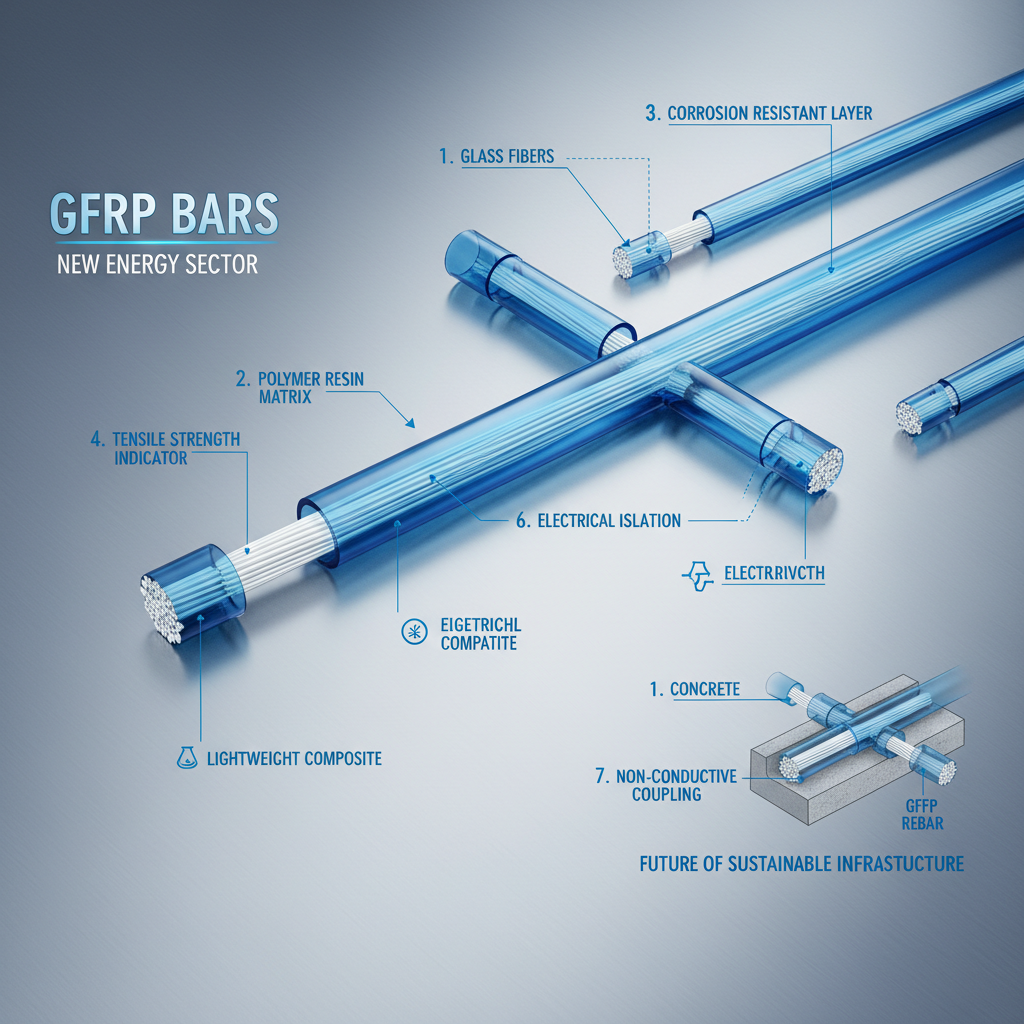
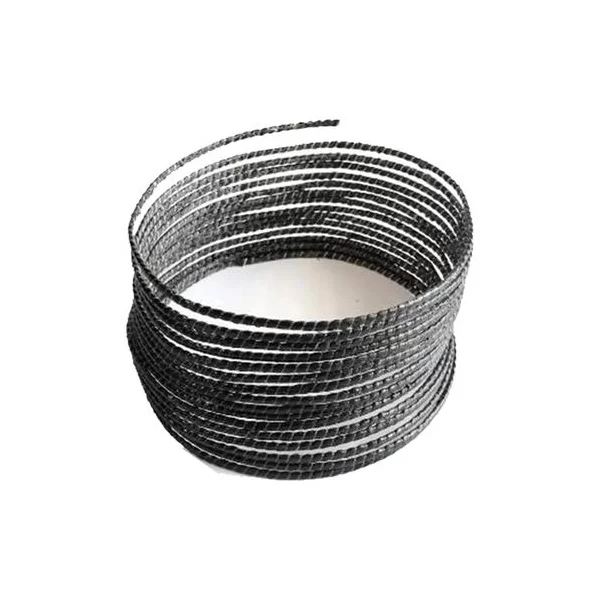
GFRP bars, also known as fiberglass rebar, are composite materials manufactured by combining glass fibers with a resin matrix, typically polyester, vinyl ester, or epoxy. The glass fibers provide the tensile strength, while the resin binds them together and transfers the load. The manufacturing process commonly involves pultrusion, where the glass fibers are pulled through a resin bath and then shaped and cured. This creates a strong, lightweight, and corrosion-resistant bar suitable for reinforcing concrete. The quality of both the glass fibers and the resin matrix significantly impacts the final properties of the GFRP bar. HBZT Composite specializes in high-quality GFRP bar production, ensuring exceptional performance and durability.
Key Highlights: GFRP bars offer superior corrosion resistance compared to steel, reducing maintenance costs and extending the lifespan of structures. Their lightweight nature simplifies handling and installation, leading to faster project completion times.
The benefits of using GFRP bars over traditional steel rebar are numerous. Crucially, GFRP bars are non-corrosive, eliminating the risk of concrete spalling and structural degradation caused by rust. They are also non-conductive, making them ideal for applications where electrical isolation is required. Furthermore, their low weight – approximately 75% lighter than steel – reduces transportation costs and simplifies installation. This lightweight characteristic also minimizes the load on structures, potentially allowing for smaller foundations and support systems. GFRP bars deliver long-term cost savings and enhanced structural integrity.
Key Benefits:
• Corrosion Resistance
• Lightweight
• Non-Conductive
• High Tensile Strength
While steel rebar has been the standard for decades, GFRP bars offer compelling advantages in many applications. The primary difference lies in corrosion resistance. Steel corrodes when exposed to moisture and chlorides, requiring costly repairs and potentially compromising structural integrity. GFRP bars, being non-metallic, are immune to corrosion. However, GFRP bars have a lower modulus of elasticity than steel, which may require adjustments to concrete mix designs to account for increased deflection. The initial cost of GFRP bars is typically higher than steel, but this is often offset by long-term savings due to reduced maintenance and extended service life.
GFRP bars are finding increasing use in a diverse range of construction applications. These include: bridge decks, marine structures (piers, seawalls), parking garages, concrete pavements, tunnels, and precast concrete elements. Their corrosion resistance is particularly valuable in saltwater environments and areas exposed to de-icing salts. They're also used in applications requiring non-conductivity, such as magnetic resonance imaging (MRI) rooms and power plants. HBZT Composite provides GFRP solutions tailored to specific project requirements.
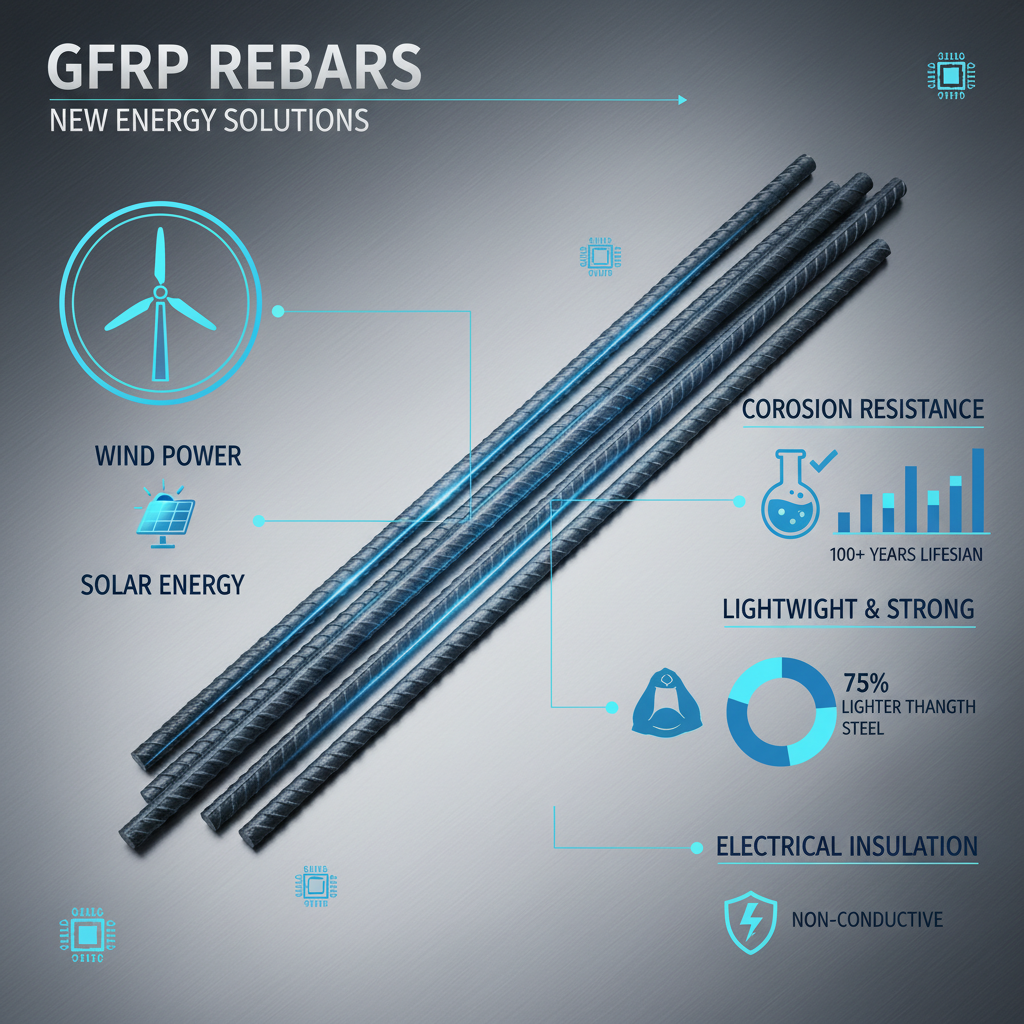
GFRP bars are available in various diameters, lengths, and tensile strengths to meet specific project needs. Common diameters range from #3 to #18 (9.5mm to 57mm). They are typically manufactured to meet ASTM D7957 and other relevant international standards. Important specifications to consider include tensile strength, modulus of elasticity, elongation at break, and glass content. HBZT Composite provides detailed product specifications and technical data sheets to assist with material selection.
Investing in GFRP bars represents a commitment to durability, sustainability, and long-term cost savings. Their superior corrosion resistance, lightweight nature, and non-conductive properties make them an ideal solution for a wide range of construction projects. As the demand for resilient and sustainable infrastructure continues to grow, GFRP bars are poised to become an increasingly vital component of modern construction.
Structures reinforced with GFRP bars are expected to have a significantly longer service life compared to those using steel rebar, particularly in corrosive environments. Due to the non-corrosive nature of GFRP, the risk of concrete deterioration caused by rust is eliminated. Estimates suggest a service life of 75-100 years or more, depending on the specific environmental conditions and the quality of the concrete mix. This extended lifespan translates to reduced maintenance costs and improved structural reliability over the long term. Proper design and installation are crucial to maximizing the service life of GFRP-reinforced structures.
Yes, GFRP bars can be effectively used in seismic zones. While they have a lower modulus of elasticity than steel, which affects stiffness, their high tensile strength and ductility provide excellent energy absorption capacity during earthquakes. However, design considerations must account for the lower modulus of elasticity, potentially requiring increased confinement reinforcement to enhance ductility. GFRP bars have demonstrated good performance in seismic testing and are approved for use in seismic applications by many building codes. Consult with a structural engineer experienced in GFRP design for seismic applications.
The initial material cost of GFRP bars is typically higher than steel rebar. However, a life-cycle cost analysis often reveals that GFRP bars can be more cost-effective over the long term. This is due to reduced maintenance and repair costs associated with corrosion prevention. Furthermore, the lighter weight of GFRP bars can lower transportation and installation costs. The cost difference can vary depending on market conditions, project scale, and specific GFRP bar specifications.
Choosing a reputable supplier is crucial to ensure the quality and performance of GFRP bars. HBZT Composite is a leading manufacturer of high-quality GFRP bars, offering a wide range of products and technical support. Look for suppliers that adhere to industry standards (ASTM D7957) and provide comprehensive product documentation and testing data. Verify the supplier's experience and track record in the GFRP industry.
Apr. 27, 2026
Benefits of Durable Concrete Fiberglass Rebar for Infrastructure

Apr. 24, 2026
High Strength and Corrosion Resistant glass fibre reinforcement bars
Apr. 23, 2026
Reliable frp walkway manufacturer for Industrial Flooring Solutions
Apr. 22, 2026
Sustainable Construction with High Strength gfrp rebars Guide

Apr. 17, 2026
Advantages and Applications of High Strength Glass Rebar
Apr. 16, 2026
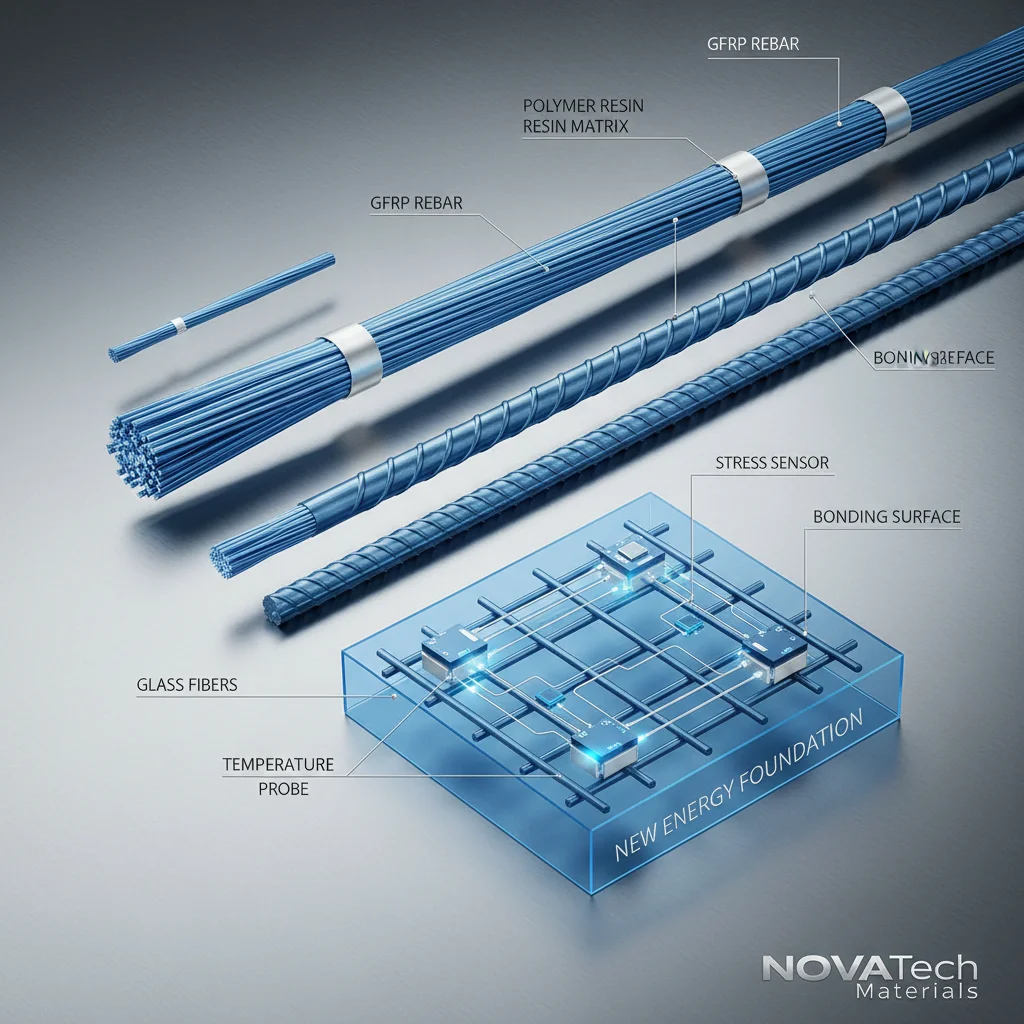
The Ultimate Guide to GFRP Rebars for Modern Construction
Looking for Reliable Frp Solutions?