Apr. 04, 2026
Glass Fiber Reinforced Polymer (GFRP) rebar is rapidly becoming a vital component in modern construction, offering a corrosion-resistant and lightweight alternative to traditional steel rebar. This article provides an in-depth exploration of GFRP rebar technology, covering its benefits, applications, manufacturing processes, and future trends. Understanding this technology is crucial for engineers, contractors, and anyone involved in building durable and sustainable infrastructure.
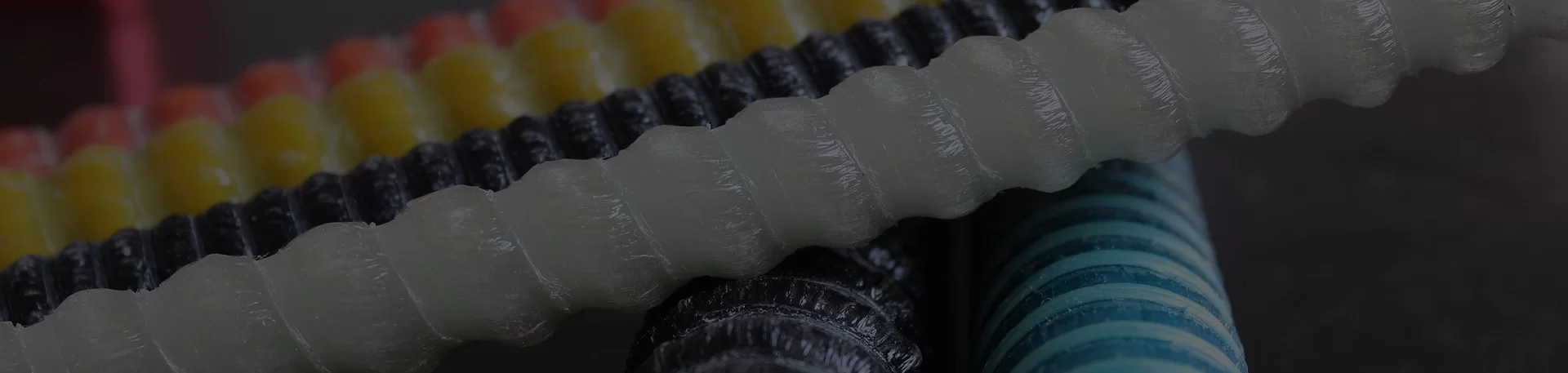
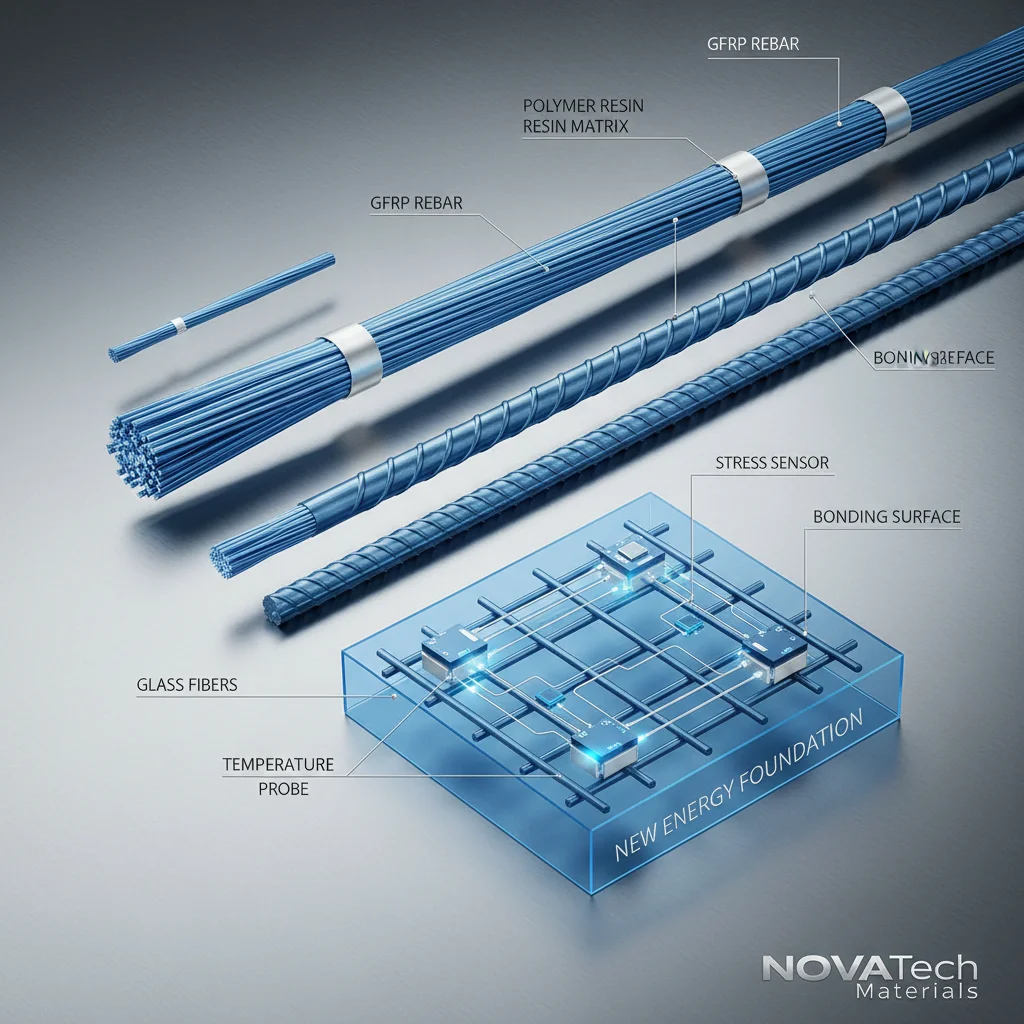
GFRP rebar is a composite material comprised of glass fibers embedded in a polymer resin matrix, typically vinyl ester or epoxy. Unlike steel rebar, GFRP rebar does not corrode, making it ideal for use in environments exposed to chlorides, such as marine structures, bridges, and concrete exposed to de-icing salts. Its lightweight nature also reduces transportation and installation costs. Beyond corrosion resistance and weight savings, GFRP rebar offers high tensile strength, non-conductivity (important for electrical applications), and thermal non-conductivity.
Key Benefits: Corrosion resistance, lightweight, high tensile strength, non-conductivity, and thermal non-conductivity.
The versatility of GFRP rebar leads to its widespread adoption across numerous construction projects. It's particularly effective in applications where corrosion is a major concern. Common uses include: marine pilings and docks, bridge decks and superstructures, parking garages, concrete pavements, wastewater treatment plants, tunnels, and precast concrete elements. GFRP rebar is also increasingly used in specialized applications like MRI rooms due to its non-magnetic properties.
Common GFRP Rebar Applications:
• Marine structures
• Bridge decks
• Parking garages
• Wastewater treatment plants
While steel rebar remains a common construction material, GFRP rebar offers significant advantages in specific applications. A direct comparison highlights these differences, helping engineers select the most appropriate material for their projects. Understanding the strengths and weaknesses of each material is crucial for ensuring structural integrity and longevity. The initial cost of GFRP rebar is generally higher than steel, but its lifecycle cost is often lower due to reduced maintenance and repair needs.
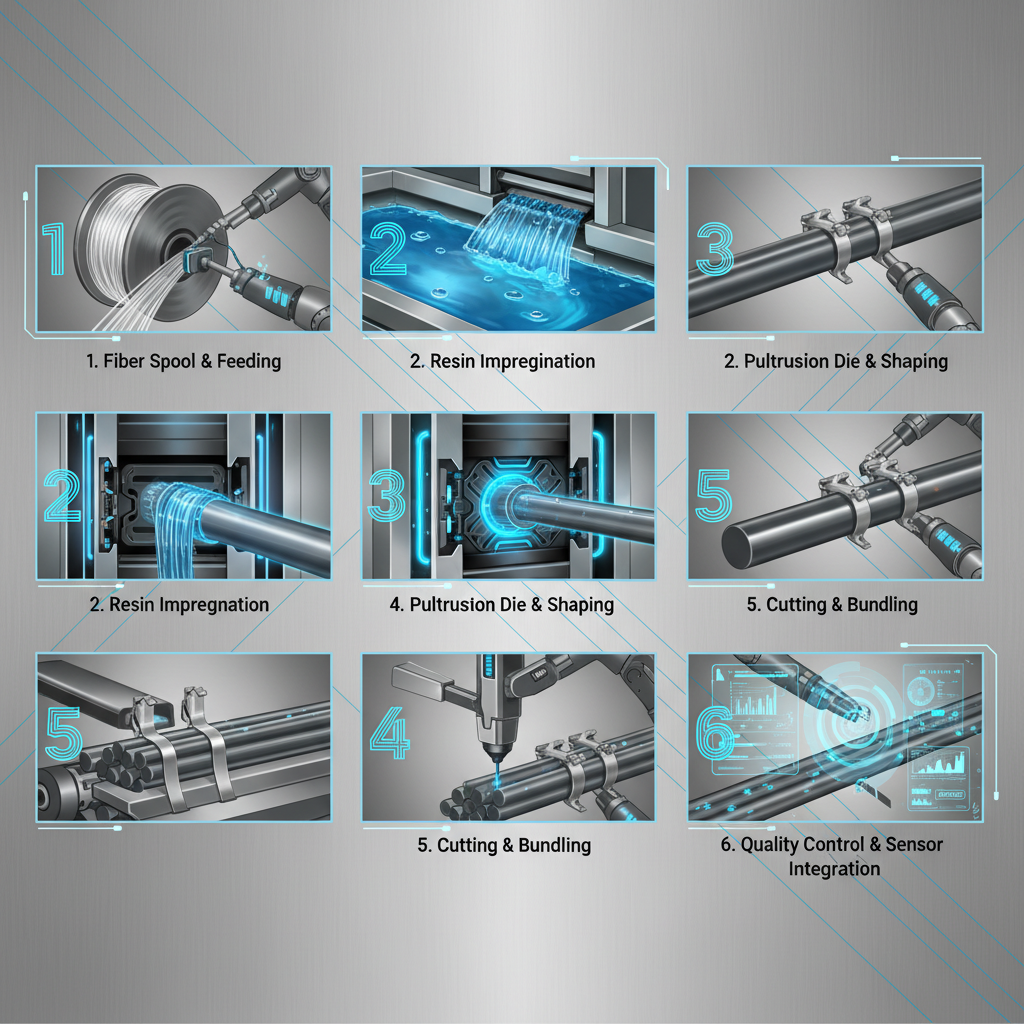
The manufacturing of GFRP rebar typically involves a pultrusion process. This process draws continuous glass fiber strands through a resin bath and then through a heated die, which shapes and cures the composite material. The resulting rebar is then cooled and cut to the desired length. Quality control is paramount throughout the manufacturing process to ensure consistent strength and durability. HBZT Composite utilizes advanced pultrusion technology to produce high-performance GFRP rebar.
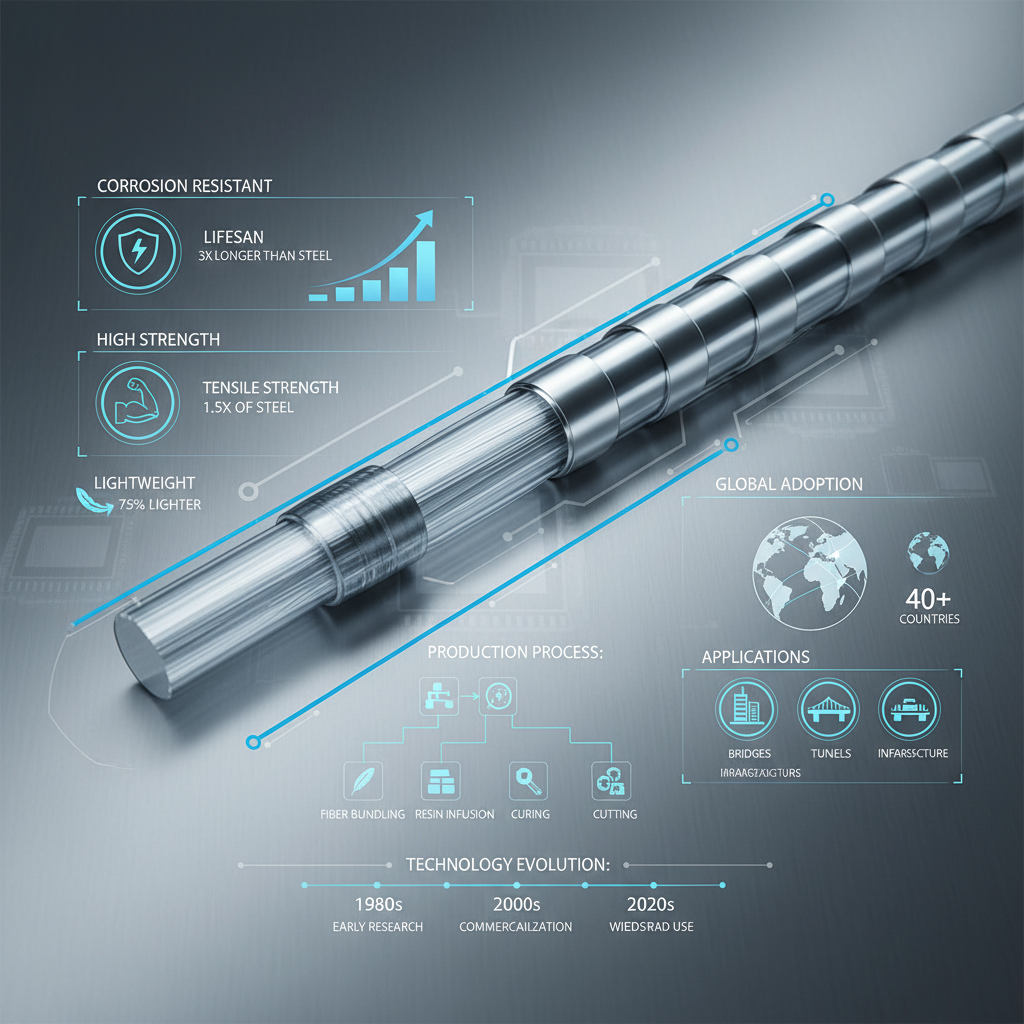
The future of GFRP rebar technology looks promising, with ongoing research focused on improving material properties, reducing costs, and expanding applications. Developments include the use of new resin systems, advanced fiber architectures, and automated manufacturing processes. Increased demand for sustainable construction materials is also driving innovation in GFRP rebar technology. As awareness of the long-term benefits of GFRP rebar grows, its adoption will continue to expand globally.
GFRP rebar represents a significant advancement in construction materials, offering a sustainable and durable alternative to traditional steel rebar. Its corrosion resistance, lightweight nature, and high strength make it an ideal choice for a wide range of applications. By embracing GFRP rebar technology, the construction industry can build more resilient and long-lasting infrastructure for future generations.
GFRP rebar is typically available in diameters ranging from #3 (9.5mm) to #8 (25.4mm), corresponding to commonly used steel rebar sizes. However, custom sizes can be manufactured to meet specific project requirements. It's important to note that the load-carrying capacity of GFRP rebar differs from steel rebar, so careful engineering calculations are necessary to ensure adequate reinforcement. Selecting the appropriate diameter depends on the structural demands of the application and should always be determined by a qualified engineer.
Connecting and anchoring GFRP rebar requires specialized techniques. Mechanical anchors, such as headed bars and couplers, are commonly used to join GFRP rebar sections. Epoxy-coated steel sleeves can also be used for splicing. Development length requirements differ from steel rebar and must be calculated based on the specific properties of the GFRP material. Avoid welding or using traditional steel rebar connectors, as these are not compatible with GFRP rebar.
The initial material cost of GFRP rebar is typically higher than steel rebar. However, when considering the entire lifecycle cost, GFRP rebar can be more economical. This is due to its corrosion resistance, which eliminates the need for costly repairs and replacements associated with steel corrosion. Reduced maintenance, longer service life, and lower life-cycle costs often outweigh the higher initial investment. Furthermore, the lighter weight of GFRP rebar can lead to savings in transportation and installation costs.
GFRP rebar offers several environmental benefits. Its corrosion resistance eliminates the need for protective coatings often used on steel rebar, reducing volatile organic compound (VOC) emissions. The longer service life of GFRP rebar reduces the frequency of replacements, conserving resources and minimizing waste. Additionally, the lightweight nature of GFRP rebar reduces fuel consumption during transportation. Its durability contributes to more sustainable and long-lasting infrastructure.
Apr. 27, 2026
Benefits of Durable Concrete Fiberglass Rebar for Infrastructure

Apr. 24, 2026
High Strength and Corrosion Resistant glass fibre reinforcement bars
Apr. 23, 2026
Reliable frp walkway manufacturer for Industrial Flooring Solutions
Apr. 22, 2026
Sustainable Construction with High Strength gfrp rebars Guide

Apr. 17, 2026
Advantages and Applications of High Strength Glass Rebar
Apr. 16, 2026
The Ultimate Guide to GFRP Rebars for Modern Construction
Looking for Reliable Frp Solutions?