Water and wastewater treatment systems operate in environments defined by constant moisture, chemical exposure, biological activity, and mechanical stress. Facilities must maintain continuous operation while resisting corrosion, structural fatigue, and environmental degradation. Traditional construction materials such as steel and concrete often struggle under these conditions, leading to frequent maintenance cycles and escalating lifecycle costs.
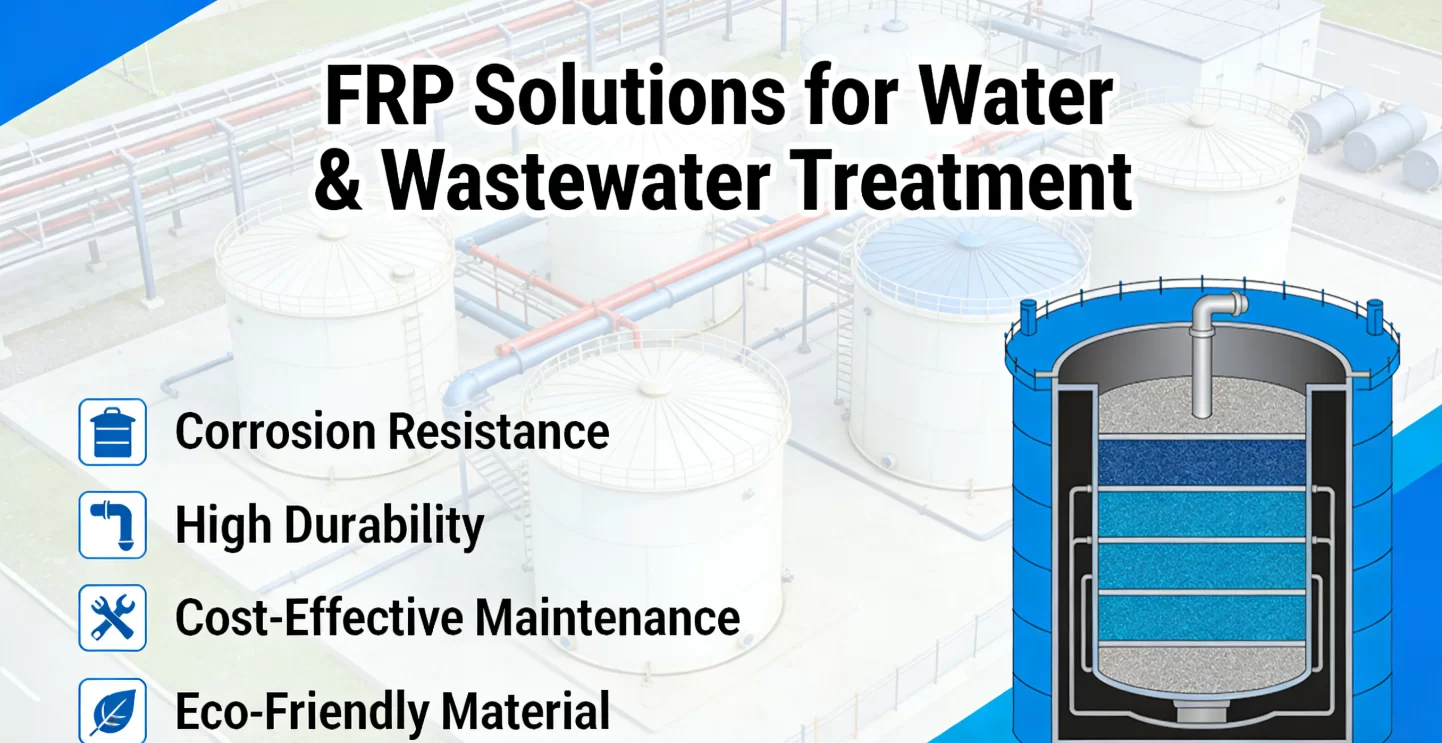
Against this background, FRP solutions for water & wastewater treatment have emerged as a highly durable and technically advanced alternative. Fiberglass reinforced plastic combines high-strength glass fibers with chemically resistant resins, creating composite systems specifically engineered for harsh industrial environments. As municipalities and industrial operators pursue long-term reliability and operational efficiency, FRP continues to gain importance in modern treatment infrastructure.
The Role of FRP in Modern Wastewater Infrastructure
Modern wastewater infrastructure requires materials that can withstand aggressive internal media and external environmental conditions simultaneously. Pipelines transport chemically active fluids, tanks store treated and untreated water, and underground pumping stations operate in permanently humid soil environments.
FRP plays a critical role in ensuring structural integrity across these applications. Unlike traditional materials that require protective coatings or frequent repair, fiberglass composites are inherently resistant to corrosion. Their stability allows engineers to design infrastructure systems with extended service life and reduced operational interruption. As infrastructure investment increasingly emphasizes durability and performance reliability, FRP has become an integral material choice in both municipal and industrial wastewater systems.
Overcoming Corrosion Challenges in Sewage Environments
Sewage treatment facilities are exposed to hydrogen sulfide gas, acidic condensation, saline water, and industrial effluents. These elements accelerate corrosion in metal structures and gradually degrade concrete surfaces. Over time, this deterioration compromises safety, increases leakage risks, and raises maintenance costs.
Fiberglass composite materials address these corrosion challenges at the material level. By selecting appropriate resin formulations, FRP systems can resist acidic and alkaline attack without structural weakening. The absence of rusting or surface spalling eliminates many of the long-term degradation patterns seen in traditional materials. In sewage environments where corrosion is unavoidable, FRP provides a stable and predictable performance profile.
Why Fiberglass Outperforms Steel and Concrete in Treatment Facilities
Steel offers strength but requires continuous protection against rust. Concrete provides mass and rigidity but remains vulnerable to chemical attack and microcracking. Both materials often demand significant maintenance resources throughout their service life.
Fiberglass composites offer a balanced alternative. Their high strength-to-weight ratio allows robust structural performance without excessive mass. This reduced weight simplifies transportation and installation while maintaining structural reliability. Furthermore, because FRP does not rely on surface coatings for protection, its performance remains consistent even after prolonged exposure to aggressive media. In many treatment facilities, the operational advantages of fiberglass surpass those of traditional construction materials.
Structural Reliability in Underground and Humid Conditions
Underground installations and high-humidity environments present additional challenges. Soil pressure, groundwater infiltration, and fluctuating temperatures can strain structural systems. Materials must retain dimensional stability and mechanical strength over long periods without deformation.
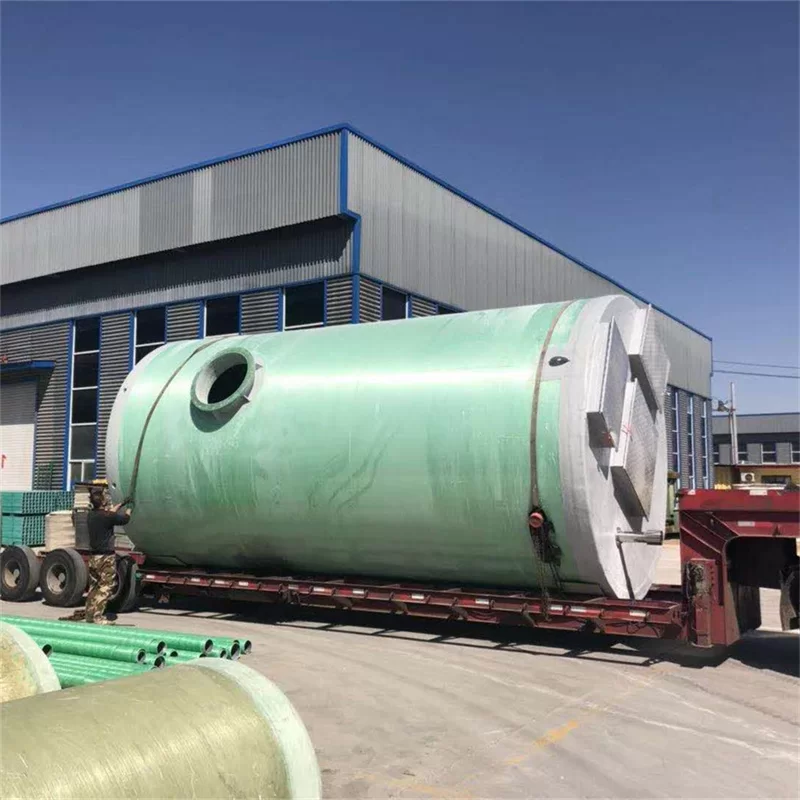
FRP structures demonstrate excellent resistance to moisture absorption and environmental stress. Integrated pumping stations, underground tanks, and buried pipelines manufactured from fiberglass maintain structural performance even under continuous exposure to groundwater and soil loads. The material’s inherent stability reduces the risk of cracking, leakage, and long-term settlement issues, ensuring consistent operation in concealed installations.
Enhancing Hydraulic Efficiency with Composite Piping Systems
Efficient flow management is fundamental to wastewater treatment. Internal pipe surfaces influence hydraulic performance, energy consumption, and system capacity. Rough or corroded surfaces increase friction, which can reduce throughput and raise operational energy requirements.
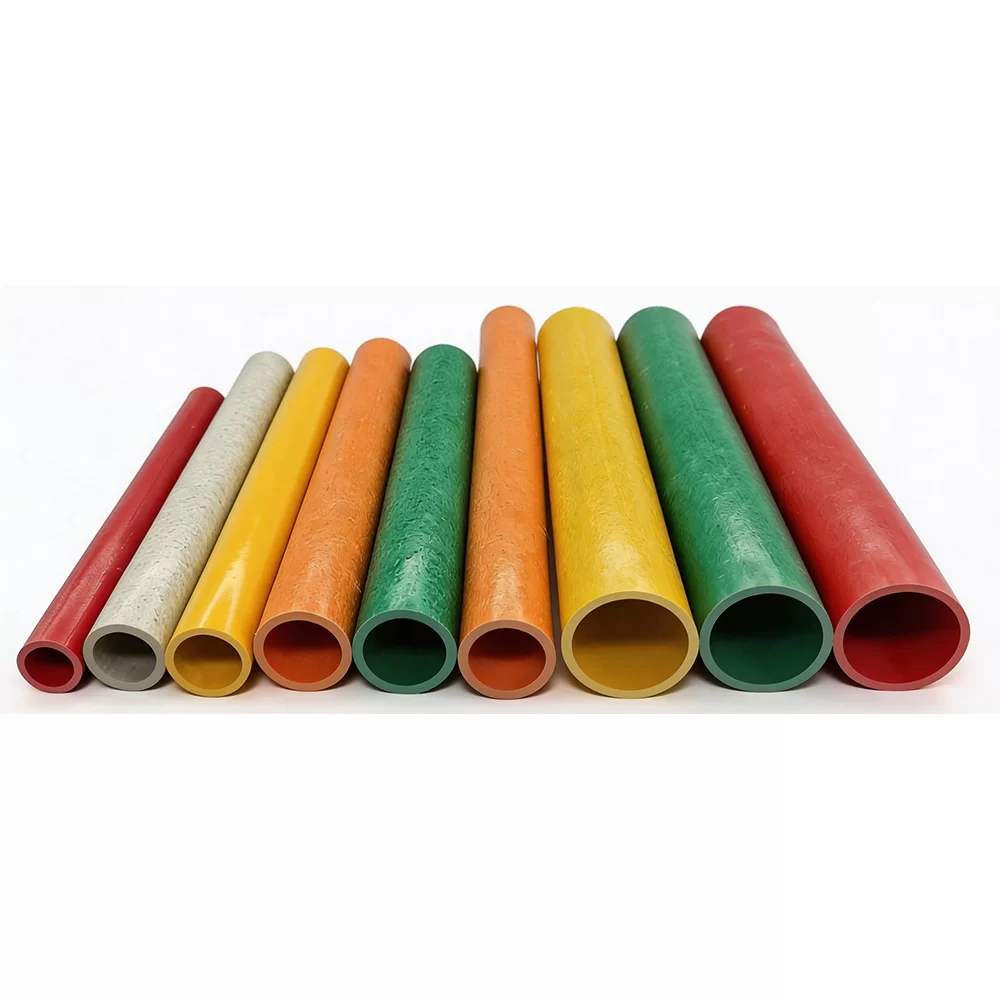
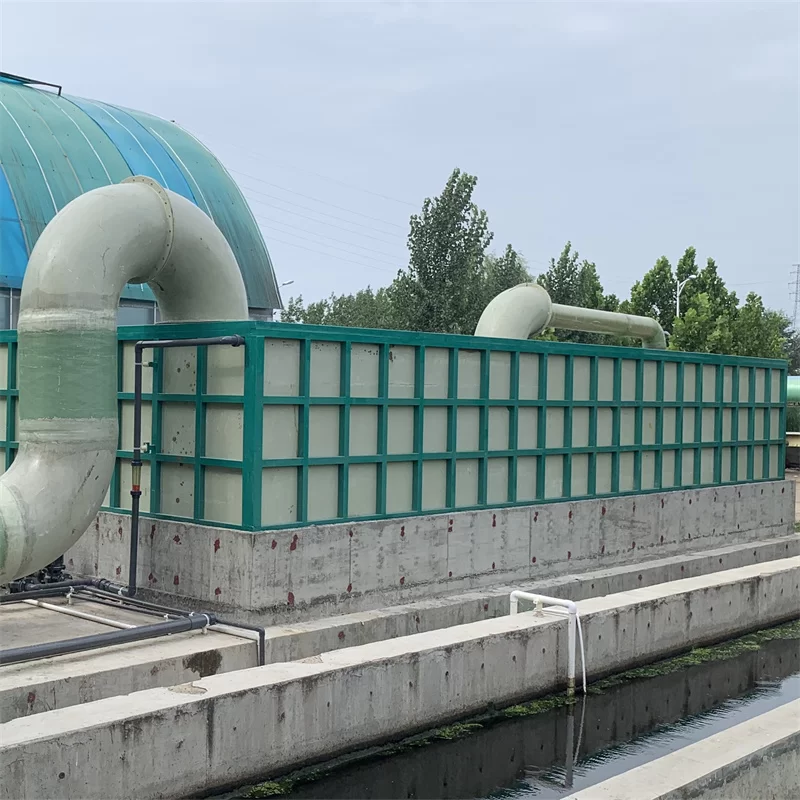
Composite piping systems made from FRP feature smooth internal surfaces that remain stable over time. Because the material resists corrosion and scaling, the hydraulic characteristics of the pipeline remain consistent throughout its service life. This contributes to reliable system performance and optimized energy efficiency. In large treatment facilities where flow consistency is critical, these advantages become particularly valuable.
Custom-Engineered FRP Components for Complex Projects
No two treatment plants are identical. Site conditions, regulatory standards, hydraulic capacity, and environmental requirements vary significantly across projects. Material solutions must therefore offer flexibility and adaptability.
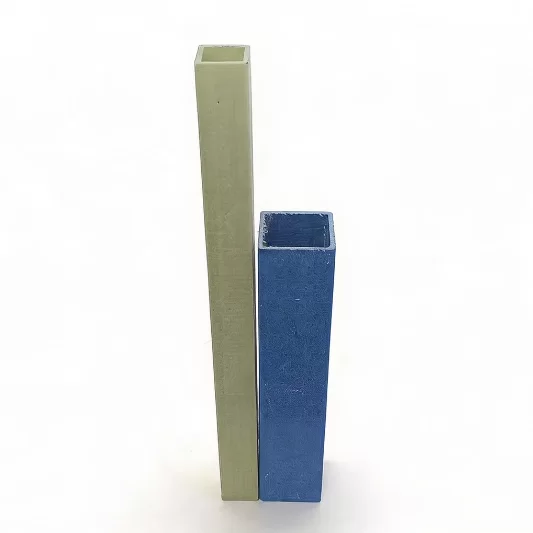
FRP components can be custom-engineered to meet precise dimensional and mechanical requirements. Advanced molding and filament winding technologies allow manufacturers to produce tanks, pipes, and structural elements tailored to specific project demands. This adaptability simplifies integration into both new construction and retrofit applications. The ability to align material performance with unique project parameters enhances efficiency and reduces the need for costly on-site modifications.
Sustainable Infrastructure Through Advanced Composite Materials
Sustainability has become central to infrastructure development. Treatment systems are designed to protect environmental resources, and the materials used in their construction must support this objective.
Fiberglass composites contribute to sustainability through durability and reduced maintenance demands. Longer service life translates into fewer replacements and lower material consumption over time. Lightweight construction reduces transportation impact during installation. Additionally, by minimizing corrosion-related failures, FRP systems help prevent leaks and contamination incidents that could otherwise affect surrounding ecosystems. The combination of durability and environmental stability aligns FRP with long-term sustainability goals in water infrastructure.
Reducing Lifecycle Costs in Municipal Water Systems
Initial construction budgets often focus on upfront material costs, yet long-term operational expenses ultimately define project value. Materials that require regular maintenance, surface treatment, or replacement increase total ownership costs over time.
FRP solutions provide economic advantages through reduced maintenance and predictable performance. The material’s resistance to corrosion eliminates many recurring repair cycles. Structural stability minimizes unexpected failures. Over extended service periods, these characteristics contribute to controlled operational expenditure and improved financial planning for municipalities and industrial operators alike.
Apr. 27, 2026
Benefits of Durable Concrete Fiberglass Rebar for Infrastructure
Apr. 24, 2026
High Strength and Corrosion Resistant glass fibre reinforcement bars
Apr. 23, 2026
Reliable frp walkway manufacturer for Industrial Flooring Solutions
Apr. 22, 2026
Sustainable Construction with High Strength gfrp rebars Guide

Apr. 17, 2026
Advantages and Applications of High Strength Glass Rebar
Apr. 16, 2026
The Ultimate Guide to GFRP Rebars for Modern Construction
Looking for Reliable Frp Solutions?