Dec. 02, 2025
The evolution of industrial materials has long been a story of trade-offs. For centuries, engineers were forced to choose between the immense strength of metals and the lightweight versatility of polymers or woods. However, the advent of composite materials manufacturing—specifically through the integration of fiberglass reinforcement—has fundamentally altered this paradigm. By marrying the tensile resilience of glass filaments with the protective embrace of polymer resins, the manufacturing world has created a category of materials that does not just mimic the properties of traditional substances but transcends them.
A Partnership of Phases
At the heart of fiberglass reinforcement lies the concept of the "two-phase" system. In this relationship, the fiberglass acts as the reinforcement phase, while a liquid resin—typically polyester, vinyl ester, or epoxy—serves as the matrix phase. To understand the manufacturing significance of this, one must view the fiberglass not as a passive filler, but as the primary load-bearing architecture.
In a raw state, a glass fiber is remarkably strong yet impossible to use structurally because it cannot hold its shape. Conversely, cured resin is rigid and can be molded into complex geometries, yet it is brittle and prone to shattering under tension. When the manufacturing process introduces the resin into the fiberglass network, a synergy occurs. The resin protects the glass fibers from abrasion and environmental degradation, while the fibers prevent the resin from cracking. This partnership allows for the creation of components that are lighter than aluminum and more corrosion-resistant than stainless steel.
The Spectrum of Reinforcement Architectures
The manufacturing process begins long before the resin is poured; it starts with the selection of the fiber architecture. The way glass filaments are organized dictates how the final part will respond to physical stress. In the manufacturing facility, engineers choose from a variety of textile formats based on the intended application.
Some processes utilize "rovings," which are continuous strands of fiber wound onto bobbins. These are essential for automated processes like filament winding, where the strands are precisely placed to handle internal pressure, such as in aerospace fuel tanks or chemical piping. Other methods rely on "mats," where short fibers are distributed randomly. These mats are isotropic, meaning they provide uniform strength in all directions, making them ideal for complex, curved molds where the direction of stress is unpredictable.
For high-performance applications, woven fabrics are employed. These resemble traditional textiles but are engineered for extreme durability. By interlacing fibers at specific angles, manufacturers can "tune" a part to be incredibly stiff in one direction while remaining flexible in another. This level of customization is something that traditional metallurgy, which relies on the uniform properties of an alloy, simply cannot replicate.
Mastery of the Manufacturing Process
The transformation of dry glass and liquid resin into a structural masterpiece happens through several distinct manufacturing pathways. Each method represents a different balance of labor, precision, and scale.
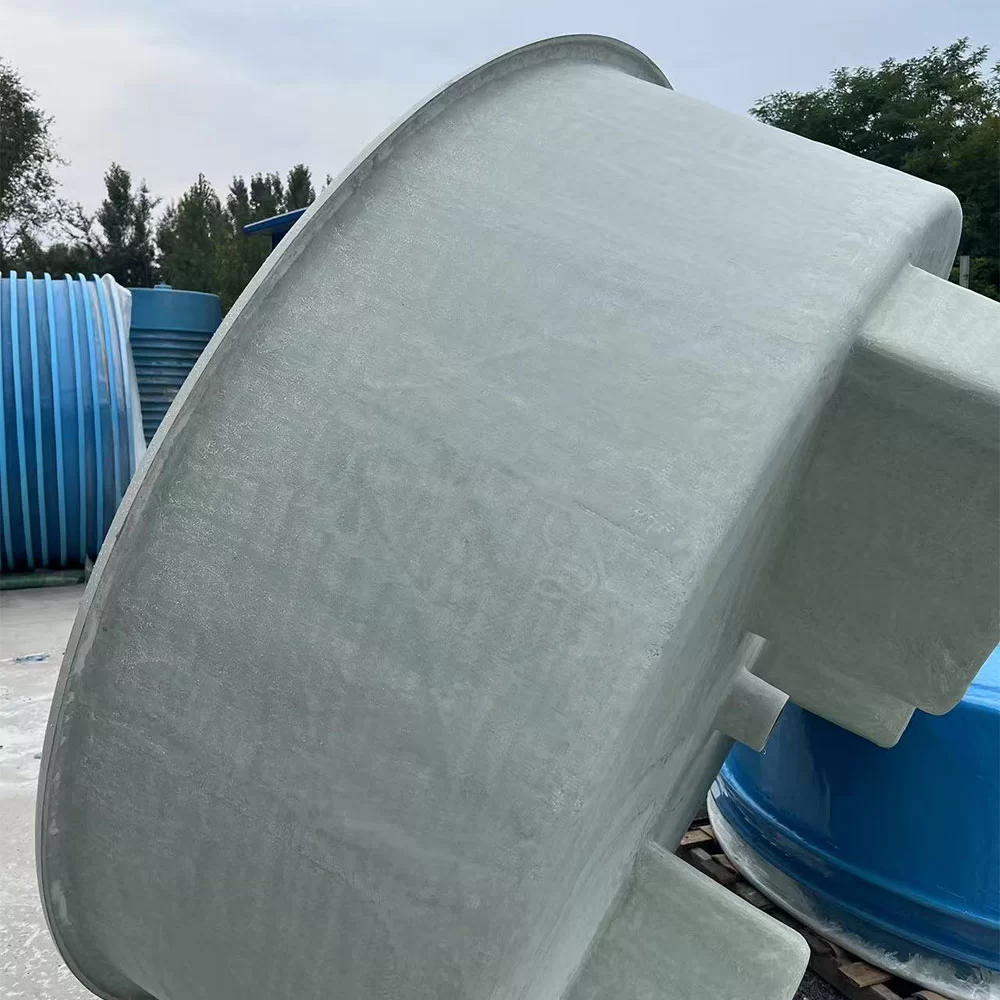
The most traditional approach is hand lay-up, a process that remains vital for artisanal or massive-scale projects like wind turbine blades or custom yacht hulls. Here, the human element is paramount. Workers carefully drape fiberglass cloth over a mold and use rollers to saturate the material with resin. While labor-intensive, this method allows for real-time adjustments and the creation of parts so large they cannot be housed in a machine.
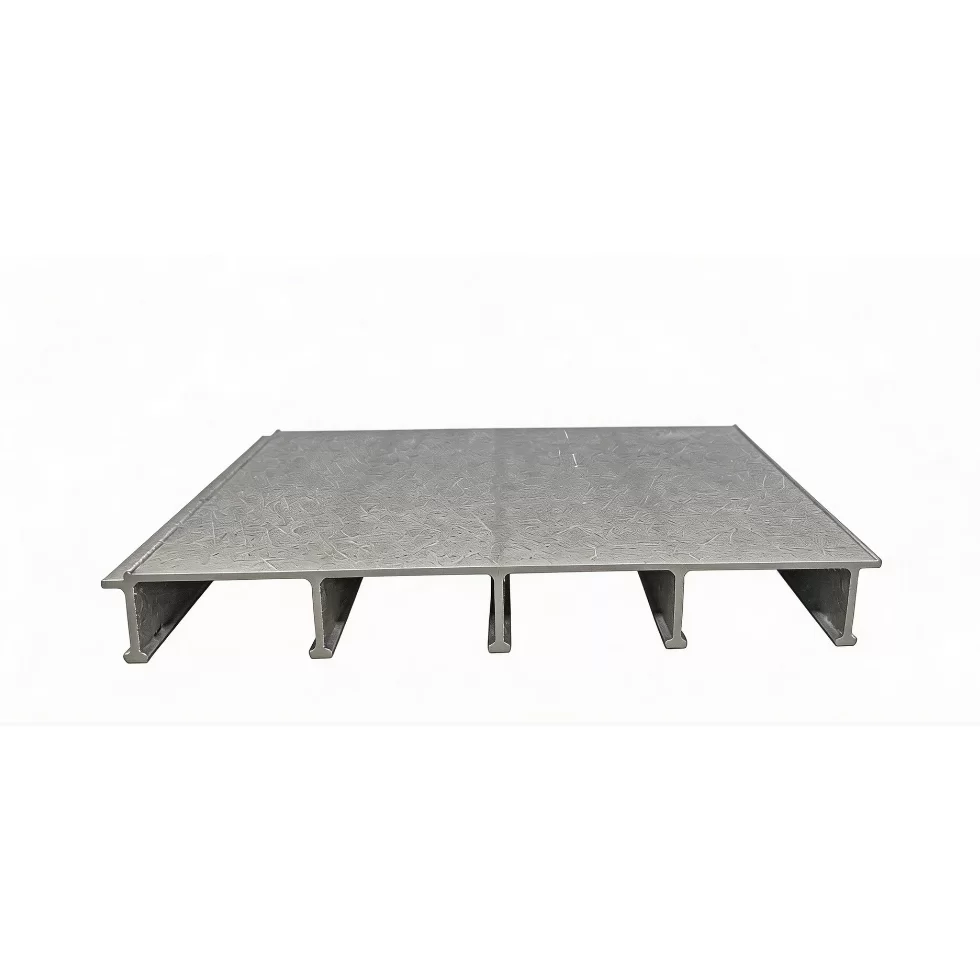
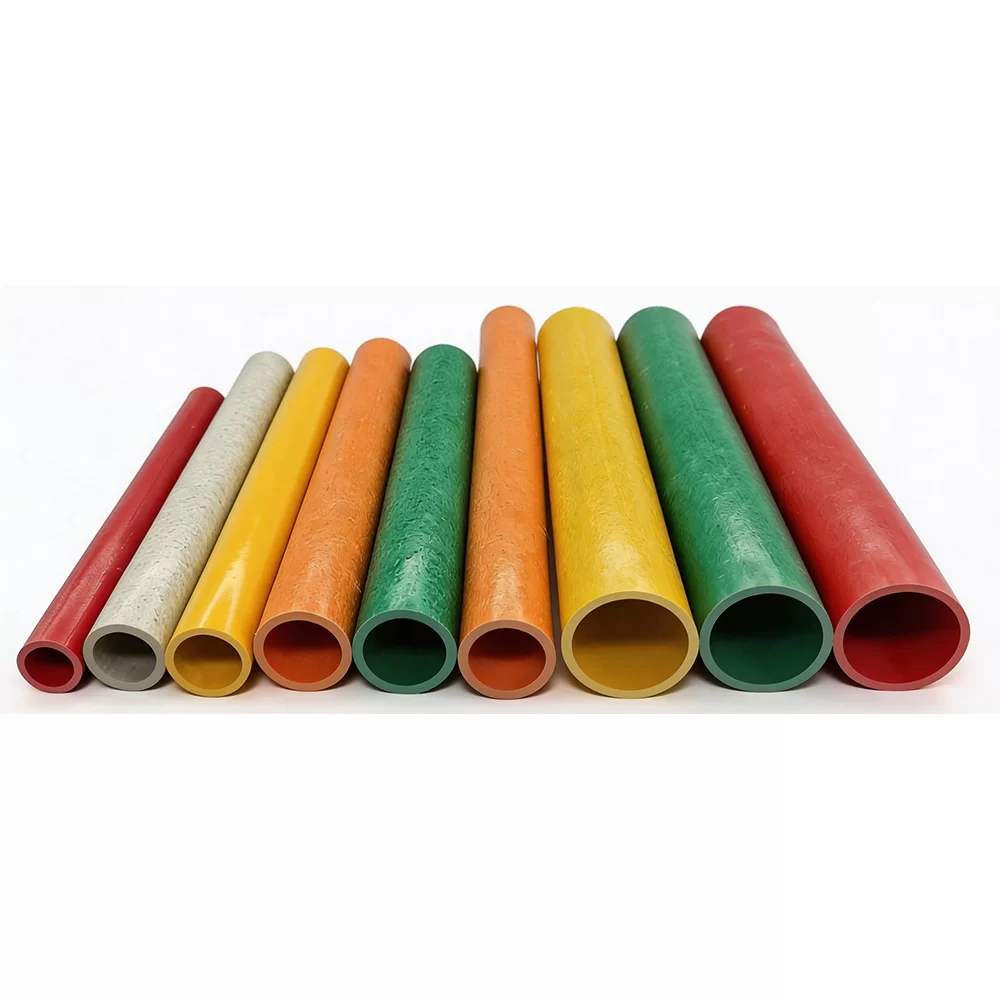
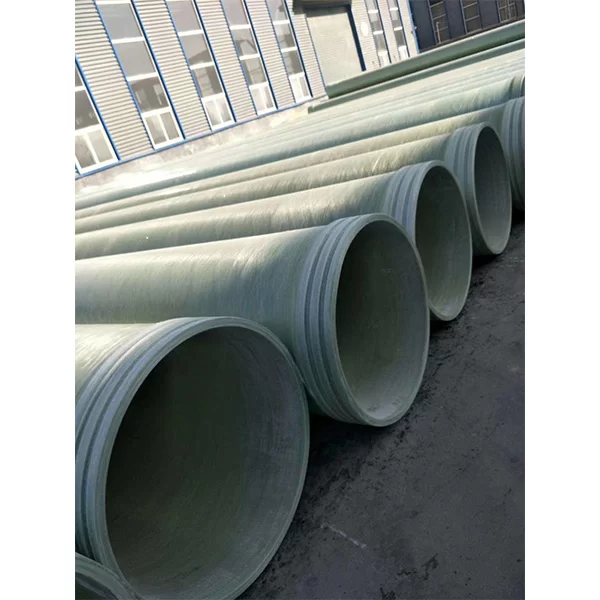
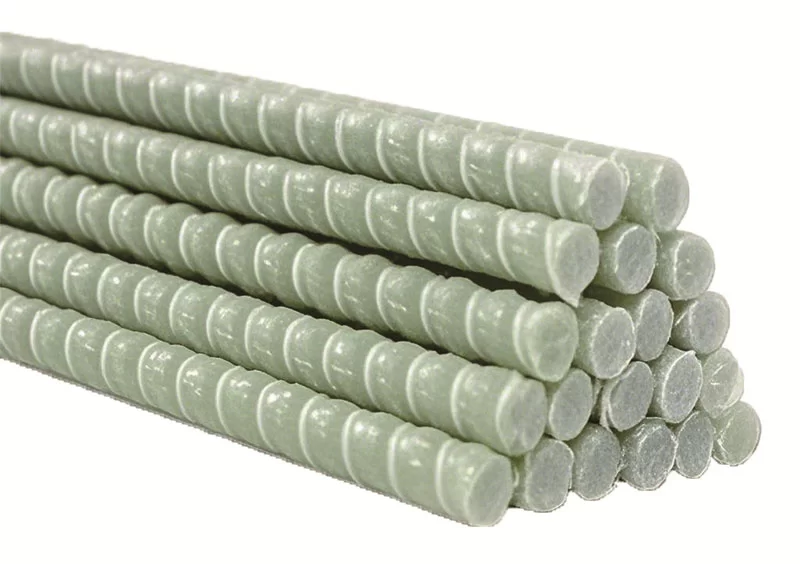
In contrast, pultrusion represents the "assembly line" of the composite world. This is a continuous process where fibers are pulled through a resin bath and then through a heated die. As the material exits the die, it is already cured into its final shape—be it an I-beam, a rod, or a hollow tube. This method is the epitome of efficiency, producing miles of high-strength structural material with minimal waste.
For parts requiring absolute precision and a high fiber-to-resin ratio, vacuum infusion and resin transfer molding are the gold standards. In these closed-mold processes, the fiberglass is placed in a dry state between two halves of a mold or under a vacuum bag. The resin is then drawn into the fibers by pressure or suction. This eliminates air bubbles—the silent killers of composite integrity—and ensures that every single filament is perfectly coated. This level of control is what allows for the production of critical aerospace components where failure is not an option.
The Chemical Barrier: Corrosion and Longevity
One of the most profound impacts of fiberglass reinforcement in manufacturing is the elimination of the "corrosion clock." In traditional manufacturing, particularly for the oil, gas, and marine industries, engineers must always account for the eventual oxidation of metal. Fiberglass-reinforced composites are chemically inert to a vast array of acids, salts, and alkalis.
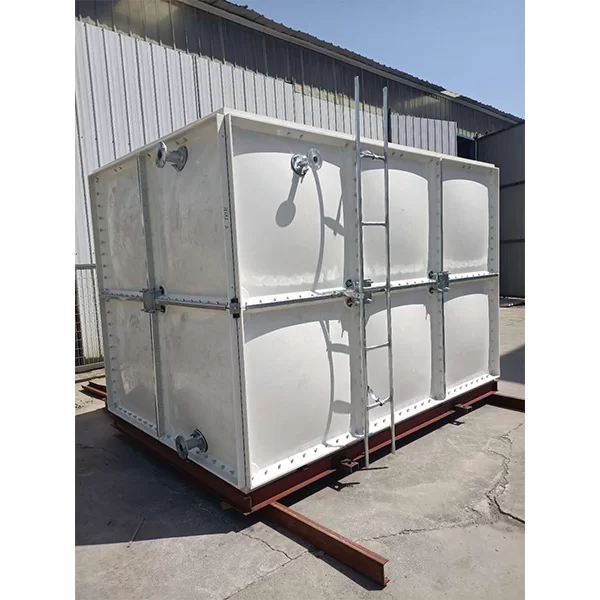
During the manufacturing phase, the choice of resin can be tailored to the specific chemical environment the part will inhabit. If a tank is meant to hold caustic chemicals, a vinyl ester resin might be paired with a specific grade of "C-glass" fibers designed for chemical resistance. This ability to engineer the material's chemistry at the molecular level means that manufactured parts can remain in service for decades without the need for painting, coating, or cathodic protection.
Weight Radicalism and Energy Efficiency
The push toward decarbonization and energy efficiency has made fiberglass reinforcement a hero of modern transportation. In the automotive and aerospace sectors, every gram of weight saved translates directly into fuel economy or increased payload capacity. By replacing heavy steel subframes with fiberglass-reinforced composites, manufacturers can achieve significant weight reductions without compromising passenger safety.
The manufacturing of these parts also tends to be more energy-efficient than the smelting and forging of metals. While glass fiber production does require heat, the overall energy lifecycle of a composite part—including its reduced transportation cost due to weight and its extended service life—often presents a more sustainable profile than traditional alternatives.
Challenges and the Human Element
Despite its advantages, manufacturing with fiberglass reinforcement requires a specialized skill set. It is a sensitive process where ambient temperature, humidity, and the "pot life" of the resin must be perfectly synchronized. A few degrees of temperature change can alter the viscosity of the resin, leading to "dry spots" where the fibers are not fully saturated, potentially creating a point of failure.
Furthermore, the post-processing of these materials—cutting, drilling, and finishing—requires specialized tools. Unlike metal, which can be easily welded, composites are joined through advanced structural adhesives or mechanical fasteners that must be integrated during the molding process. This requires a "design-for-manufacturing" mindset, where the engineer must envision the entire lifecycle of the part before the first layer of glass is even laid down.
Apr. 27, 2026
Benefits of Durable Concrete Fiberglass Rebar for Infrastructure
Apr. 24, 2026
High Strength and Corrosion Resistant glass fibre reinforcement bars
Apr. 23, 2026
Reliable frp walkway manufacturer for Industrial Flooring Solutions
Apr. 22, 2026
Sustainable Construction with High Strength gfrp rebars Guide

Apr. 17, 2026
Advantages and Applications of High Strength Glass Rebar
Apr. 16, 2026
The Ultimate Guide to GFRP Rebars for Modern Construction
Looking for Reliable Frp Solutions?